
How To
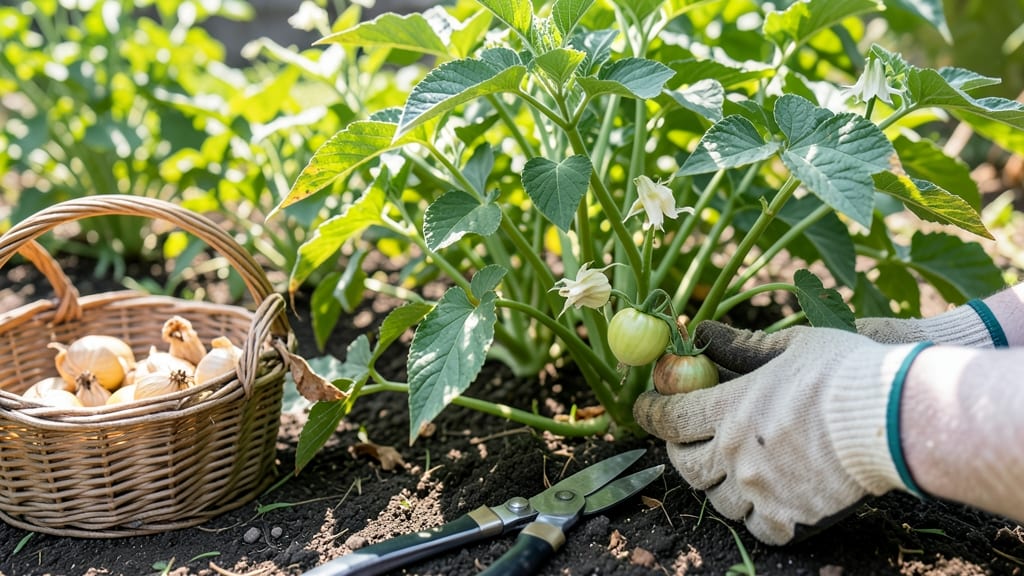
Harvesting tomatillos at the right time means the difference between a bright, tangy salsa and a mealy, flavorless mess — and the key is knowing exactly when to pull them.
Picture this: you’ve waited months for your 🌱 tomatillos to ripen, only to pick them too early and end up with bitter, underdeveloped fruit. Or worse, you wait too long, and they turn mushy in the husk.
The good news? With just three simple tactile tests, you can nail the perfect harvest window every time.
First, check the husk — it should turn from dark green to a light, papery shade. Next, gently squeeze the fruit inside: it should yield slightly, like a ripe avocado, not rock-hard or squishy. Finally, twist the stem: if it snaps cleanly, that’s your cue to harvest.
Below, I’ll walk you through these tests step by step, plus how seasonal factors like USDA Zone 6a climate and plant variety can tweak your timing. No more guesswork — just bold, tart tomatillos ready for your next dish.
How to identify perfectly ripe tomatillos using 3 tactile tests
Tomatillos are finicky little fruits—harvest too early, and you’ll get sour, rubbery results. Harvest too late, and they’ll shrivel or split, losing their signature tang. The secret? Trusting your sense of touch and visual cues to pinpoint the exact moment they’re ready.
Unlike tomatoes, which ripen on the vine, tomatillos rely on physical maturity, not color alone.
I’ve spent years perfecting my tomatillo harvest timing, and these three tactile tests have never failed me. They’ll help you avoid the common mistakes of picking too soon (when the fruit is still hard and translucent) or too late (when the husk turns brown and papery).
Let’s dive into how to feel your way to peak tartness every time.
- 1 Husk Color & Texture: The outer husk should turn from dark green to light green and feel dry and papery when rubbed between fingers.
- 2 Fruit Size & Firmness: Gently squeeze the fruit—it should be 1-2 inches wide, firm but yielding, like a ripe avocado, not rock-hard or mushy.
- 3 Stem Snap Test: Twist the stem gently—it should snap cleanly at the base, indicating the fruit is fully mature and ready for harvest.
Let’s start with the first test: husk condition. The husk is your first warning system. When it’s dark green and tightly closed, the tomatillo inside is underripe. But as it matures, it lightens to a pale green and becomes dry and crispy to the touch.
This is your cue that the fruit inside is ready to eat. Pro tip: If the husk feels slimy or wet, it’s a sign of overripeness or even rot.
Next, focus on size and firmness. A perfectly ripe tomatillo should measure about 1-2 inches in diameter. If it’s smaller than a golf ball, it’s not ready. Press gently—your finger should leave a slight indentation but not sink in.
Think of it like testing a ripe peach: firm enough to hold its shape, but with just enough give to know it’s fully developed. Overripe tomatillos will feel soft and mushy, almost like overcooked potatoes.
Finally, the stem snap test is my favorite trick. Grab the tomatillo by its stem and give it a gentle twist. If it snaps cleanly at the base, you’ve got a winner.
This test tells you the fruit has fully detached from the plant’s nutrients and is at its peak flavor. If the stem resists or pulls out with the fruit, it’s not ready yet. This method also helps you avoid damaging the plant—no rough tugging needed!
Here’s a quick reality check: If your tomatillos pass all three tests but still look green inside, don’t panic. Tomatillos don’t ripen further after picking, unlike tomatoes. Their flavor develops fully on the plant, so trust the texture and size over color alone.
For green tomatillos, the key is to harvest them at the right stage—they won’t sweeten up later.
One common mistake I see is waiting until the husk turns brown and dried out. By then, the fruit inside is often overripe or shriveled. The ideal husk is light green and papery, not crispy or brown.
Think of it like tea leaves: you want them dry but not brittle. If you’re unsure, pick a few test fruits and taste them. Once you’ve nailed the perfect texture, you’ll recognize it instantly.
For varietal differences, purple or yellow tomatillos follow the same rules, but their husk color shifts slightly. Purple husks will turn lavender-gray, while yellow ones stay pale yellow-green. The texture tests remain identical, though.
Always prioritize firmness and size over color, as some varieties stay green even when ripe. If you’re growing heirloom varieties, check their specific notes—some are bred for earlier or later harvests.
Remember, harvest timing affects flavor. Tomatillos picked at the right moment have a bright, tangy taste that’s perfect for salsa. Underripe ones taste harsh and bitter, while overripe ones lose their zesty kick and become mushy.
By mastering these three tactile tests, you’ll ensure every tomatillo you pick is bursting with flavor—no guesswork required.
Now that you’ve got the perfect harvest down, your next challenge is storage and cooking. But that’s a story for another time. For now, head to your garden, run these tests, and get ready to transform your kitchen with homemade salsa that’ll make your neighbors jealous. Happy harvesting!
Tomatillo harvest timing: seasonal and varietal considerations
Timing your tomatillo harvest depends on two key factors: your local climate and the variety you're growing. In USDA zones 6-10, most standard green tomatillos like 'Green Mexican' ripen between 80-100 days after transplanting, typically aligning with late summer harvests (July-September).
However, cooler climates like zone 5 may push harvests into early fall, while warmer zones like zone 11 can extend harvests into October.
Purple and yellow varieties like 'Purple Mexican' or 'Yellow Mexican' often mature 7-10 days earlier than green types, making them ideal for early-season harvests in hot climates. These varieties also tend to develop sweeter, less tart flavors, so timing becomes even more critical for balancing flavor profiles.
If you're in a short growing season, prioritize early-maturing varieties to avoid frost-related losses.
| Variety | Days to Maturity | Best Harvest Window | Climate Adaptations |
|---|---|---|---|
| Green Mexican | 80-100 days | Late summer (July-Sept) | Standard for zones 6-10; needs frost protection in zone 5 |
| Purple Mexican | 70-85 days | Early summer (June-Aug) | Ideal for hot climates (zones 8-11); harvest before heat stress |
| Yellow Mexican | 75-90 days | Mid-summer (July-Aug) | Sweetest variety; protect from late-season frost |
| Green Sage | 90-110 days | Late summer (Aug-Sept) | Large fruit; needs consistent moisture in dry climates |
Adjust your harvest timing based on temperature fluctuations. In hot climates (zones 9-11), tomatillos may ripen faster but develop less tartness if exposed to extreme heat (>95°F). To combat this, provide afternoon shade during peak summer months or harvest slightly earlier when the fruit reaches 75-80% maturity.
Conversely, in cooler climates (zones 4-6), extend harvests by using row covers to protect plants from early frosts, which can occur as early as mid-September.
For container growing, expect harvests to arrive 10-14 days later than in-ground plants due to slower root development. Use 5-gallon pots minimum and ensure they're placed in full sun to compensate for the delayed maturity.
If you're in a northern latitude, consider starting seeds indoors 8-10 weeks before last frost to extend your growing season and align harvests with peak flavor windows.
Monitor your plants for seasonal color shifts in the husks. While green varieties develop light green, papery husks, purple types will show lavender-gray husks, and yellow varieties pale yellow-green husks.
These color changes signal 70-80% maturity, meaning you should harvest within 3-5 days to capture peak tartness. If left on the vine too long, all varieties will develop mealy interiors and lose their signature bright green color.
Pro tip: Harvest in the morning when temperatures are coolest to preserve flavor and firmness. Use clean pruners or scissors to snip stems, leaving a 1-inch stub to prevent disease entry.
Store harvested tomatillos in a paper bag in the fridge for up to 2 weeks, or freeze them whole for extended use in salsas and sauces**. This simple storage hack ensures you can enjoy homegrown tomatillos long after the harvest season ends.