
How To
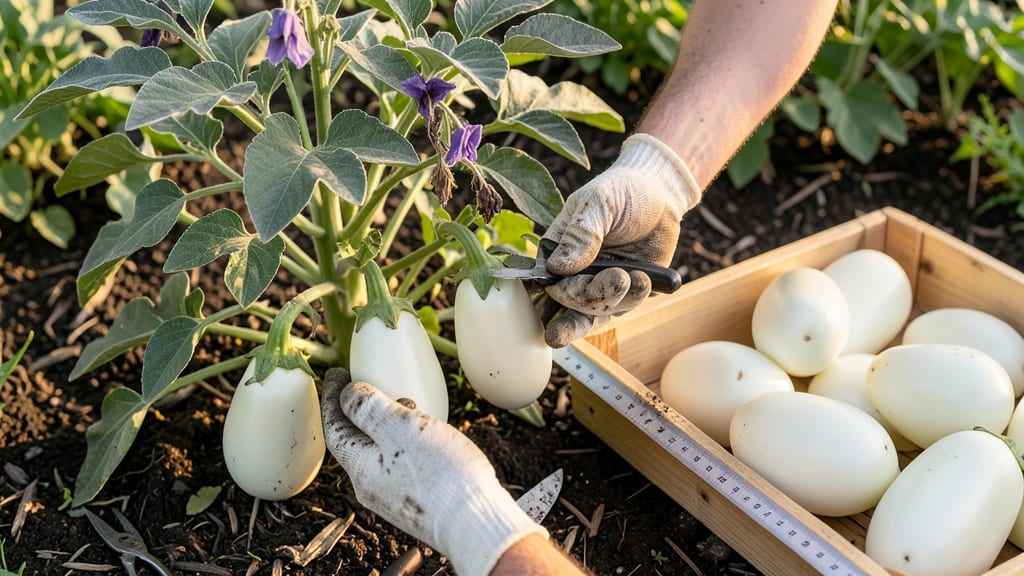
Harvesting white eggplant at the right time ensures tender, flavorful fruit instead of rubbery or bitter disappointments—here’s exactly when and how to know it’s ready.
Picture this: you’ve nurtured your 🍆 white eggplant all season, and now the moment of truth arrives. One wrong move, and you’re left with a meal that’s either too tough to eat or so soft it falls apart.
The key? Timing. Unlike purple varieties, white eggplants ripen based on touch and texture, not just color. Miss the window, and you’ll regret it.
In USDA Zone 6a, the harvest window typically opens in July and stretches through September, but climate and variety play a role. A 6-8 inch fruit with a dull stem end and a slight give when pressed is your target.
Below, I’ll walk you through the three tactile tests that take the guesswork out of harvesting—so you can enjoy that perfect, creamy texture every time.
You’ll also learn how to salvage overripe or underripe fruit, plus regional tweaks for earlier or later harvests. No more second-guessing—just confident harvests that turn into delicious meals.
3 Tactile tests to determine white eggplant ripeness
White eggplants ripen differently than their purple relatives, so relying on visual cues alone can lead to disappointment. The key to perfect timing lies in your hands—not just your eyes. I’ve found that three tactile tests reveal ripeness more accurately than any color chart.
These methods help you avoid the pitfalls of overripe flesh (which turns mealy) or underripe bitterness (which lingers even after cooking).
Most gardeners focus on skin color or fruit size, but the real magic happens when you press, twist, and inspect the eggplant’s subtle signals. For example, a firm white eggplant should yield slightly when pressed—not like a stress ball, but with a gentle give that tells you it’s ready.
This tactile feedback is especially critical for white varieties like 'Casablanca' and 'Rosalba', which lack the purple skin’s obvious color shift.
Here’s the catch: visual cues can be misleading. A white eggplant might look perfect on the outside but feel spongy inside if left too long on the vine. Conversely, an eggplant that looks small might be perfectly ripe if it passes these three tests.
That’s why I rely on touch-based indicators to confirm readiness before I harvest. Let’s break down each test so you can trust your hands as much as your eyes.
⚠️ comparison-table ⚠️
| Test Method | Underripe Signs | Perfectly Ripe Signs | Overripe Signs |
|---|---|---|---|
| Skin Firmness Test | Hard as a rock; no give when pressed | Slight give (like a ripe avocado) | Soft, spongy, or dented when pressed |
| Seed Color Test | Seeds tiny, pale yellow, or white | Seeds visible but still small; white or pale yellow | Large, dark brown/black seeds |
| Calyx Separation Test | Calyx (stem end) stays green; tight attachment | Calyx turns dull brown; separates easily with slight twist | Calyx shriveled or detached; stem end hollow |
The skin firmness test is your first line of defense. Gently press the eggplant’s skin with your thumb—perfectly ripe fruit should yield just enough to leave a faint imprint but bounce back immediately.
If it feels like a stress ball, it’s overripe. If it’s rock-hard, it’s not ready yet. I’ve made the mistake of harvesting too early, only to discover bitter, seedy flesh that ruined my dishes.
Next, check the seed color by cutting a small slice near the stem. Underripe seeds are tiny and pale, while ripe seeds are slightly larger but still white or pale yellow.
If you see dark brown or black seeds, the eggplant has passed its prime and may develop bitter compounds or even toxic solanine in extreme cases. This test is especially useful for white varieties, where color changes are less obvious than in purple eggplants.
Finally, the calyx separation test reveals whether the eggplant is ready to harvest. The calyx (the flower end) should turn from green to dull brown and separate easily with a gentle twist. If it resists, the eggplant needs more time.
If it’s already detached or shriveled, the fruit is overripe. I’ve learned to harvest in the early morning when the calyx is most responsive to this test.
Common mistakes include harvesting based on size alone (a 6-inch eggplant isn’t always ripe) or ignoring the stem’s condition (a green stem means it’s not ready). Even experienced gardeners can overlook these tactile clues, leading to mealy texture or underdeveloped flavor.
To avoid these pitfalls, I always perform all three tests before harvesting—it’s the only way to guarantee a tender, flavorful white eggplant every time.
Pro tip: If you’re unsure, harvest a few eggplants at different stages and taste-test them. White eggplants are sweeter and milder when harvested at the right moment, making them perfect for dishes like ratatouille or stuffed eggplant.
The tactile tests don’t lie—trust your hands, and you’ll never miss the perfect harvest again.
Why harvest timing matters: flavor and texture differences
Harvesting your white eggplant too early or too late transforms its flavor profile and texture dramatically. Early harvesting yields firm, mild fruit with tender flesh, while waiting too long introduces bitterness and seedy texture. The sweetness peaks at the perfect window, making timing critical for culinary success.
Unlike purple varieties, white eggplant develops seed cavities faster, shrinking edible flesh. Overripe fruit also produces toxic compounds like solanine, which can affect taste and safety. Understanding these shifts ensures you enjoy the best flavor and ideal texture every harvest.
When to Harvest White Eggplant
- 🌱 60-75 days after transplanting: Casablanca reaches 6-8 inches with glossy skin.
- 🌿 75-85 days for 'Rosalba': Firmness increases as seeds darken slightly.
- ☀️ Hot climates (Zones 8-10): Harvest 10-14 days earlier—heat accelerates ripening.
- ❄️ Cooler climates (Zones 6-7): Extend window to 90 days—slower growth delays harvest.
- ✂️ Stem test: Twist gently—dry, brown stem signals peak ripeness.
Climate plays a huge role in ripening speed. In hot summers, white eggplants like 'Casablanca' mature faster, requiring earlier harvesting to avoid bitterness. Conversely, cooler seasons extend the harvest window, letting you enjoy larger, sweeter fruit if you wait.
Seed development is another key indicator. Early harvesting (before seeds darken) yields smoother flesh, while late harvesting introduces hard seeds and fibrous texture. For best results, aim to harvest when seeds are tiny and pale, ensuring tender, seedless slices.
Storage also depends on timing. Underripe eggplants soften quickly, while overripe ones develop off-flavors and mushy spots. Harvest at the ideal window to store for 1-2 weeks in a cool, dark place—perfect for meal prep.
Pro tip: Use a knife test—press gently with your thumb. Slight give means it’s ready, while no give signals it’s too early. Overripe fruit will dent easily, ruining texture and taste.