
How To
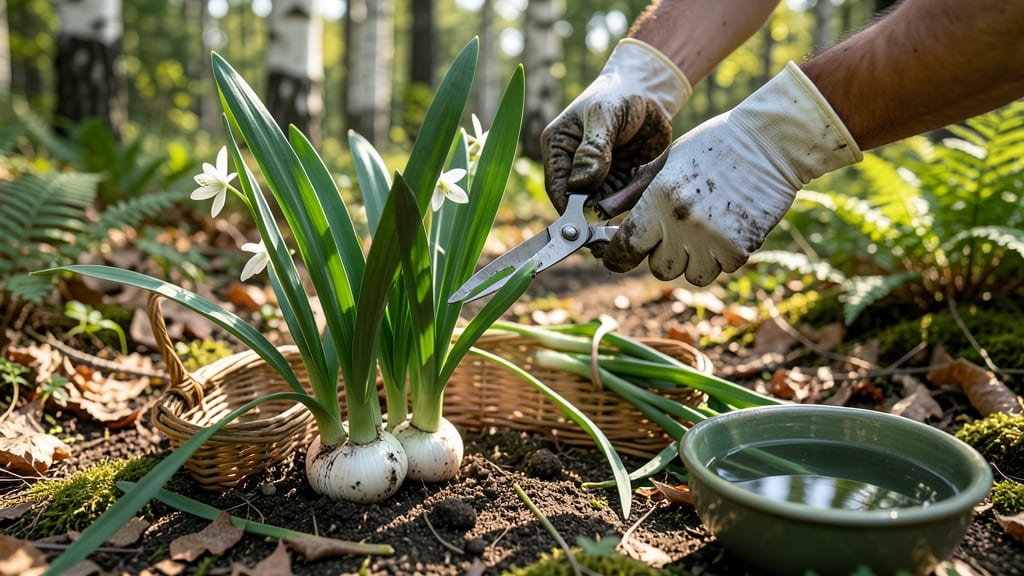
Harvest wild garlic 🧄 when the leaves are fully grown and emit a strong garlic scent, typically between April and May in temperate regions.
Picture this: you’re out for a spring walk, crushing a leaf between your fingers, and that unmistakable pungent aroma hits you like a wave. That’s your cue—harvesting at this peak moment ensures the most flavorful leaves, packed with the bold, oniony punch wild garlic is famous for.
Timing matters because harvesting too early means milder flavor, while waiting too long risks the leaves turning bitter or flowering, which shifts the taste entirely. The key is knowing the subtle visual and scent cues that signal perfect readiness.
In this guide, I’ll walk you through the foolproof leaf-stem snap test, seasonal timing by region, and how to store your harvest so it stays vibrant and potent for months. No more guesswork—just bold, garden-fresh flavor every time.
How to use the leaf-stem snap test for wild garlic harvest timing
Wild garlic (Allium ursinum) reaches its peak flavor when harvested at the right moment, but knowing exactly when that is can be tricky. The leaf-stem snap test is my go-to method for determining harvest readiness.
This simple technique combines visual cues with tactile feedback to ensure you're picking wild garlic at its most potent. Unlike other herbs, wild garlic's flavor intensifies as it matures—up to a point—so timing is everything.
Start by examining the leaf size and flexibility. At the perfect harvest window, leaves should be fully unfurled and reach 6-12 inches tall. They should also feel firm but slightly pliable, almost like a fresh onion leaf.
If the leaves are still curling tightly or feel rubbery, they're not ready yet. This test alone gives you a good starting point, but the real magic happens when you combine it with the stem snap test.
The leaf-stem snap test is where the flavor confirmation happens. Pinch a leaf stem between your thumb and forefinger, about 1-2 inches from the base. Apply gentle pressure and bend it slowly.
At peak harvest time, the stem should snap cleanly with a slight resistance, almost like a fresh celery stalk. If it bends without snapping or feels mushy, the plant is still too young. If it snaps easily with little resistance, you've waited too long.
Look for leaves that are 6-12 inches tall, fully unfurled, and deep green in color. They should feel firm but flexible, not brittle or still curling.
Pinch a leaf stem 1-2 inches from the base and bend it gently. It should snap cleanly with resistance—like a fresh celery stalk—not bend or feel mushy.
Crush a small leaf between your fingers. The strongest garlic scent indicates peak flavor. If it smells faint, wait a few more days; if it smells bitter, you’ve passed the prime window.
Use a sharp knife or clean scissors to cut leaves at the base, leaving at least 1-2 inches of stem to allow regrowth. Avoid pulling leaves to prevent damaging the bulb.
Harvest in the morning after dew has dried (around 8-10 AM) for the most concentrated flavor. Avoid harvesting after rain, as leaves can become waterlogged and dilute the flavor.
The aroma test is the final confirmation. After snapping the stem, crush a small piece of leaf between your fingers and inhale deeply. The strongest garlic scent is your green light—this is when wild garlic is at its most flavorful.
If the scent is faint, wait another 3-5 days and retest. If it smells bitter or sharp, you’ve missed the window and the flavor will continue to decline.
Regional variations can affect timing slightly. In cooler climates (USDA Zones 3-5), wild garlic may mature 2-3 weeks later than in warmer zones. Pay attention to local frost dates: in most temperate regions, the best harvest window falls between late April and early June, just before flowering.
If you see white flower buds forming, you’ve already passed the prime harvest window for leaves.
For bulb harvest, the timing shifts entirely. Wait until the leaves begin to yellow and wilt, typically in late summer (August-September). At this stage, the bulbs are fully developed and packed with flavor.
Dig carefully with a fork to avoid damaging the bulbs, then let them dry in a shady, well-ventilated area for 1-2 weeks before storing.
Pro tip: If you’re unsure, harvest a small batch and taste-test. Wild garlic at its peak should have a bold, oniony punch with no bitterness. If it tastes mild, it’s not ready; if it’s bitter, it’s past its prime.
This hands-on approach is the best teacher for mastering the perfect harvest time every season.
Once you’ve nailed the leaf-stem snap test, you’ll never second-guess your wild garlic harvest again. The confidence of knowing you’re picking at peak flavor—and avoiding the disappointment of bland or bitter leaves—makes this method worth mastering for any forager or gardener.
Best wild garlic harvest times by season and growth stage
Timing your wild garlic harvest is everything—harvest too early, and the flavor is mild; wait too long, and the leaves turn bitter or flower stems appear. The best harvest windows depend on both season and growth stage, with spring and fall offering distinct opportunities for peak flavor.
In spring, wild garlic reaches its flavor peak when leaves are fully mature but before flowering. This typically occurs in April or May in temperate zones, aligning with the plant’s first flush of growth after winter dormancy.
For fall harvests, focus on the bulbs when leaves yellow and die back, usually in September or October.
| Season | Growth Stage | Harvest Target | Climate Notes |
|---|---|---|---|
| Spring | Leaf-only (6-12" tall) | Fresh leaves | Warmer climates: March-April; cooler zones: May |
| Spring | Pre-flowering | Stems (before blooms) | Harvest stems when 10-12" tall |
| Fall | Leaf yellowing | Bulbs | Wait until after first frost for sweeter bulbs |
| Fall | Post-flowering | Leaves (late season) | Leaves lose potency after frost; harvest early |
Climate plays a crucial role in harvest timing. In warmer zones (USDA 8+), wild garlic may bolt earlier, so harvest leaves by late April to avoid bitter flowers. In cooler regions (USDA 5-7), extend your spring harvest into May as growth slows.
For bulbs, fall harvests are ideal after the first frost, when the plant’s energy has transferred to the underground storage.
Never harvest flowering stems for culinary use—they’re tough and less flavorful. Instead, focus on leaf-only harvests in spring or bulb harvests in fall. If you miss the spring window, you can still gather leaves in early fall, but flavor intensity drops significantly after flowering.
Pro tip: Use the leaf-stem snap test to confirm readiness. A crisp snap at the base means peak flavor, while a bend indicates it’s too early. Store harvested leaves in the fridge for up to 1 week or freeze for long-term use.
🌱