
Vegetables
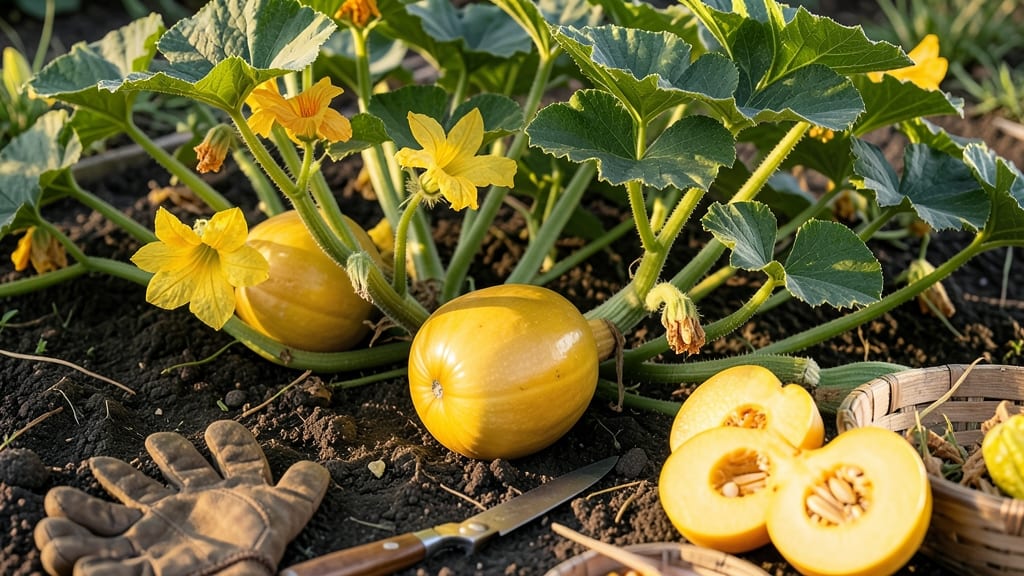
Harvesting yellow crookneck squash 🍈 at the right moment means the difference between sweet, tender flesh and tough, seedy disappointment.
Picture this: you’ve nurtured your plants all season, and now the moment of truth arrives. But how do you know when that 🍈 is truly ready? Too early, and you’ll miss out on peak flavor. Too late, and you risk losing your entire crop to frost or overripening.
Most gardeners wait for the skin to turn a golden yellow, but there’s more to it than color. The seed cavity should feel firm when pressed, and the stem end will start shrinking slightly—these are your secret clues.
I’ll walk you through every detail so you never miss the perfect harvest window again.
You’ll also learn the best time of day to pick for maximum sweetness, how to tell if your squash is still too young, and what to do if you’ve already harvested too early or too late.
By the end, you’ll be a pro at timing your harvests like a seasoned gardener.


How to check yellow crookneck squash ripeness using 3 key visual & physical cues
Yellow crookneck squash reaches its peak flavor when harvested at the right moment—too early and it’s bland, too late and it becomes tough. The secret lies in three visual and physical cues that reveal when your squash is ready to pick.
I’ve learned these tricks after years of trial and error, and they’ll help you avoid common mistakes that lead to wasted harvests.
First, focus on the skin color transition from green to yellow. This isn’t just about seeing yellow—it’s about the uniformity and depth of that color. A fully ripe squash will have a vibrant, even yellow hue without green patches.
Next, check the skin texture—it should feel hard and thick, almost like a small football. Finally, pay attention to the size and shape, which should be 6-8 inches long with a noticeable curve.
Here’s where many gardeners go wrong: they rely on just one cue, like size alone, and miss the subtler signs of ripeness. I’ve seen squash that looked big but tasted watery because the skin wasn’t tough enough.
Let’s break down the three essential checks so you can harvest at the perfect moment every time.
- 1. Seed Color: The center stem should turn from green to solid yellow. Cut open the blossom end to check for fully yellow seeds—this confirms sweetness.
- 2. Skin Texture: Press your fingernail into the skin. If it doesn’t pierce easily and feels hard like a rind, it’s ready. Soft spots mean it’s underripe.
- 3. Size & Shape: Aim for 6-8 inches long with a noticeable neck curve. Overripe squash will feel heavy for its size and sound hollow when tapped.
Let’s start with the seed color, which is often overlooked but critical. When your squash is ripe, the blossom end (where it attaches to the vine) will turn from green to yellow. This color change signals that the sugars inside have fully developed.
To confirm, cut open the blossom end and look at the seeds. They should be fully yellow, not green or white. I once harvested a squash with green seeds and it tasted bitter—don’t make that mistake!
The skin texture is your second clue, and it’s all about resistance. A ripe yellow crookneck squash will have a thick, tough skin that’s difficult to puncture with your fingernail. If the skin gives way easily, the squash isn’t ready.
Think of it like testing a ripe avocado—firmness is key. I test this by gently pressing my thumb into the skin. If it springs back, it’s not ready; if it holds the indentation, it’s perfect.
Next, focus on the size and shape, which should be 6-8 inches long with a distinctive crook or neck. This curve is what gives the squash its name! Overripe squash will often feel heavy for its size and may even sound hollow when tapped lightly.
This hollow sound is a sure sign of ripeness. I tap mine with my knuckles—if it sounds like a drum, it’s time to harvest.
One common mistake I see is harvesting based on size alone. Just because a squash is big doesn’t mean it’s ripe. I’ve picked squash that were 10 inches long but still tasted bland because the skin wasn’t tough enough.
Always combine all three cues: color, texture, and size. If one doesn’t match, wait a day or two before harvesting.
Another pitfall is waiting too long, which leads to overripe squash. Overripe yellow crookneck squash becomes tough and stringy, with a watery texture and diminished flavor. The skin may even start to wrinkle or soften near the blossom end.
If you notice these signs, it’s best to harvest immediately, even if the squash isn’t at its peak. You can still use it in recipes, but the quality won’t be as good.
To avoid these issues, I recommend checking your squash every 2-3 days once they reach about 4-5 inches in length. This frequent monitoring ensures you catch them at the perfect ripeness.
Keep a small notebook nearby to track the color changes and texture of each squash. Over time, you’ll develop an instinct for when they’re ready.
Finally, remember that harvesting at the right time isn’t just about flavor—it also affects storage life. Squash harvested at peak ripeness will store for 2-3 weeks in a cool, dry place, while underripe or overripe squash may spoil faster.
Store them in a well-ventilated area, away from direct sunlight, to maintain their quality.
With these three cues—seed color, skin texture, and size—you’ll never miss the perfect harvest window again. Happy gardening, and may your yellow crookneck squash be sweet and abundant! 🌱🍈
The best time of day to harvest for maximum flavor and storage life
Harvesting your yellow crookneck squash at the right time of day makes all the difference in flavor and shelf life. Unlike some vegetables that can be picked anytime, squash thrives when harvested during its coolest, most energetic part of the day.
This timing preserves natural sugars and prevents premature spoilage. I’ve learned through trial and error that morning harvests yield the sweetest, crispest squash—ready for your kitchen or pantry.
The key is understanding how temperature fluctuations affect your squash’s chemistry. During the day, squash absorbs heat, which can break down its delicate cell structure and reduce sweetness. Harvesting in the morning means cooler temperatures and higher moisture content, both of which lock in flavor.
Plus, morning-picked squash stores better because it hasn’t been exposed to the day’s heat stress. This simple habit can turn a good harvest into a great one.
Here’s how morning and evening harvests compare for your yellow crookneck squash, including flavor, texture, and storage potential:
| Harvest Time | Flavor Impact | Texture | Storage Life | Best For |
|---|---|---|---|---|
| Morning (6-9 AM) | Peak sweetness, natural sugars preserved | Crisp, firm, optimal texture | 3-4 weeks in cool, dry place | Fresh eating, storage |
| Evening (4-7 PM) | Milder flavor, sugars may break down | Softer, slightly mushy | 1-2 weeks (higher spoilage risk) | Immediate cooking |
If you must harvest in the evening, do so as early as possible—before the heat of the day sets in. I’ve noticed that evening-picked squash tends to wilt faster and lose its crispness within hours.
For the best results, always prioritize morning harvests, especially during hot summer months when temperatures can spike quickly. This habit has become second nature in my garden, and the difference in quality is undeniable.
After harvesting, handle your squash with care to maximize its storage life. Let it cure in a warm, dry place (around 80°F) for 3-5 days before storing. This process thickens the skin and enhances flavor. Once cured, store squash in a cool (50-55°F), dry place with good airflow.
Avoid refrigerating until you’re ready to use it—cold temperatures can turn the flesh mealy. With proper handling, your morning-harvested squash will stay fresh for weeks.
Pro tip: If you’re dealing with a bumper crop, consider harvesting a few squash early in the morning and using them immediately for dishes like squash casserole or roasted squash. Save the rest for storage, and you’ll enjoy homegrown flavor all season long.
The right timing isn’t just about when you pick—it’s about how you prepare your squash for what comes next.
🍈