
Vegetables
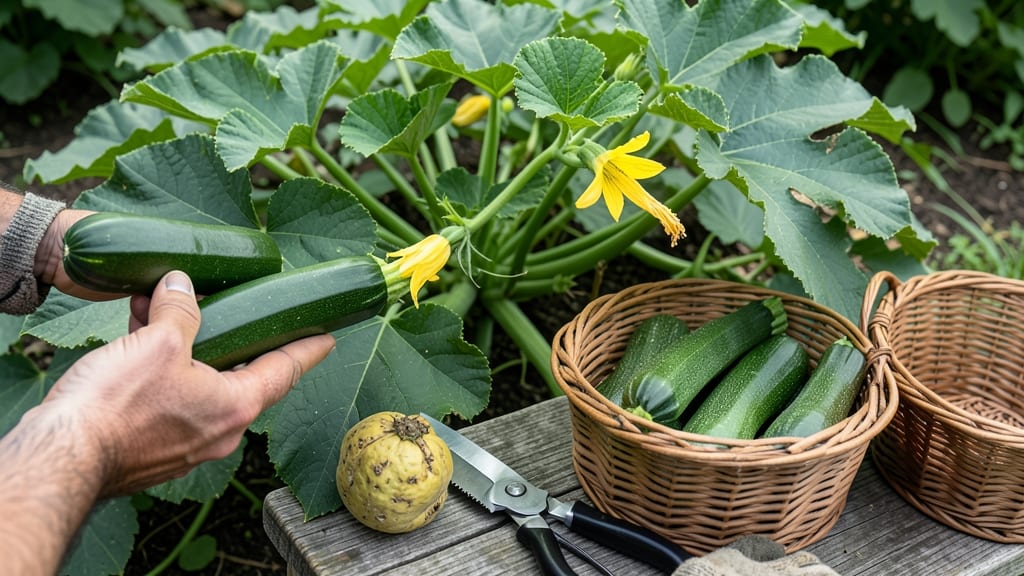
Harvesting zucchini squash at the right time ensures tender, flavorful 🎃 fruit instead of bitter, seedy giants—so timing is everything.
Picking zucchini at the wrong time turns your garden’s bounty into bitter, seedy disappointments—yet most gardeners miss the 3 secret size clues that guarantee sweet, tender squash every time.
If you’ve ever sliced into a zucchini only to find it packed with seeds or tough skin, you know how fast things go wrong. The key? Watching for that perfect 6–8-inch window when the skin resists a gentle thumb press and the color deepens.
Below, I’ll break down the exact size, texture, and color cues to time your harvests like a pro—plus how to stretch your zucchini season for weeks of continuous production.
The 3 critical zucchini size stages (and why timing matters)
Harvesting zucchini at the wrong size can turn your garden’s best intentions into bitter, seedy disappointments. The difference between a tender, sweet squash and a wooden, overgrown mess often comes down to 3 critical size stages most gardeners overlook.
Understanding these stages helps you harvest at peak flavor and encourage continuous production throughout the growing season.
Zucchini grows rapidly, sometimes adding 1-2 inches per day during peak season. Waiting too long means hard seeds and bitter flesh, while harvesting too early robs you of optimal texture and yield potential.
The key is recognizing the 3 ideal harvest windows—each with distinct size, texture, and color cues—so you can pick at the perfect moment every time.
Most gardeners miss the ideal harvest window because they focus only on length, ignoring texture and color cues. A zucchini at 6-8 inches with firm skin that resists gentle thumbnail pressure is your sweet spot.
At this stage, the flesh is tender and flavorful, with only tiny, edible seeds. If you wait until the squash reaches 10+ inches, you’ll end up with a hard, bitter mess that’s nearly inedible.
Here’s what happens when you miss the timing: Overripe zucchini develops thick, tough skin and large, inedible seeds, making it unpleasant to eat. The flesh also becomes fibrous and watery, losing its natural sweetness.
On the flip side, harvesting too early (under 6 inches) means underdeveloped flavor and poor texture, though these can still be used in quick-cooking dishes.
Timing your harvests also boosts plant productivity. Zucchini plants produce continuously if you pick regularly. When you let fruits grow too large, the plant shifts energy to seed development instead of producing new blooms.
This means fewer squash over time. By harvesting at the ideal 6-8 inch stage, you encourage more flowers and longer harvest windows.
Regional growing seasons can shift these stages slightly. In hotter climates, zucchini may grow faster, requiring more frequent checks every 2-3 days. In cooler regions, growth slows, giving you a wider window to harvest.
Always check for firmness and color consistency—not just size—since light conditions and variety can affect ripening speed.
One common mistake is assuming all zucchini are ready at the same size. Heirloom varieties like 'Black Beauty' often mature slightly slower than hybrids like 'Eight Ball'. Always test texture alongside size.
Press your fingernail into the skin—if it doesn’t dent easily, it’s ready. If the skin gives way, wait another day or two.
Extend your harvest season by pruning older fruits when
How to check zucchini ripeness beyond size (pro gardener tricks)
Size isn’t the only indicator of zucchini ripeness—skin texture, color shifts, and stem separation reveal when your squash is truly ready. I’ve learned these pro gardener tricks after years of overripe (and underripe) zucchini disasters.
The key? Paying attention to subtle visual and tactile cues that go beyond the ruler.
Most gardeners focus on length, but hybrid varieties (like 'Black Beauty') mature faster than heirlooms like 'Patio Star'. That’s why I now check for three critical signs before harvesting. These tricks help me avoid the bitter, seedy squash that ruins summer meals.
Zucchini Ripeness Checklist
- 🎨 Skin Color: Deep, even green (or variety-specific hue) with no yellowing at stem end
- 🤲 Thumb Test: Skin resists gentle pressure—no dent remains when you press firmly
- 🔄 Stem Separation: Stem pulls away cleanly (no tearing) when twisted slightly
- 🎵 Thump Test: Hollow sound when tapped—like knocking on a melon
Heirloom Tip: Wait 1-2 extra days for full flavor development
For heirloom varieties, I let them mature slightly longer—up to 8-10 inches—because their skin thickens more gradually. The thumb test is my go-to: if your thumbnail leaves no mark when pressed, it’s perfect. This works even for yellow zucchini varieties like 'Golden Zucchini', where color isn’t as reliable.
The thump test solves the mystery of internal tenderness. Tap the squash with your knuckle—if it sounds hollow (like a melon), the flesh is perfectly tender. A dull thud means it’s still growing. I use this trick for container-grown zucchini, where size can be harder to judge.
Don’t ignore the stem separation—this is nature’s harvest signal. When the stem pulls away cleanly, the squash has reached peak sweetness. If it tears, wait another day. For hybrid varieties, this happens at 6-7 inches, while heirlooms may need 8+ inches.
Pro tip: Harvest in the morning after dew has dried. The skin is firmer then, making it easier to judge ripeness. Store harvested zucchini in a cool, dark place (not the fridge) for up to a week to maintain texture.