
Vegetables
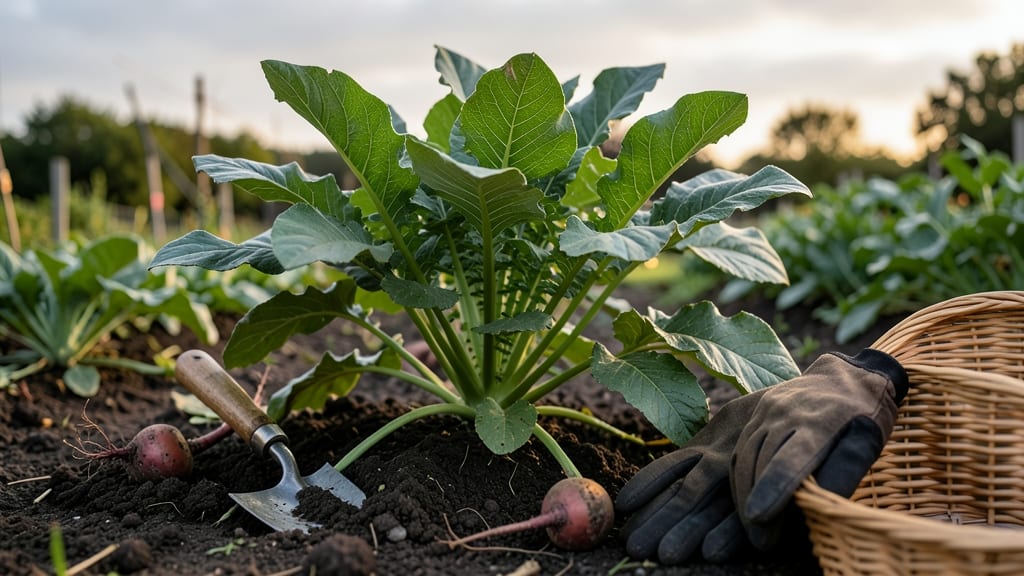
Knowing the exact beetroot harvest time transforms your garden from a gamble to a guaranteed bounty of sweet, tender roots 🍠.
Picture this: you’ve nurtured your beetroot seedlings for weeks, only to pull them too soon and end up with tiny, underdeveloped roots—or worse, wait too long and watch them turn woody and tough. The difference between a perfect harvest and a disappointing one often comes down to timing.
Most beetroots reach their prime between 50 and 70 days after planting, depending on the variety, but visual cues like size, color, and leaf health are the real giveaways.
In this guide, I’ll walk you through the ideal window, how to spot the perfect moment, and what happens if you miss it.
You’ll also discover how to store your harvest to keep those flavors vibrant for months, so nothing goes to waste. Let’s get started.

Exact days after planting for optimal beetroot harvest time
Timing your beetroot harvest is all about balance—too early, and you’ll get undersized roots with bland flavor. Too late, and you risk tough, fibrous textures that ruin even the best beet recipes.
The ideal harvest window depends on whether you’re growing baby beets (30-50 days) or full-sized roots (50-70 days). Understanding these stages ensures you pull beets at their sweetest, most tender peak.
From the moment you plant those tiny seeds, your beetroot’s journey to harvest follows a predictable timeline. Germination typically occurs in 7-14 days under ideal conditions, followed by rapid root development.
By day 30, baby beets are ready for harvest if you’ve been thinning seedlings aggressively. For mature roots, patience pays off—wait until day 50-70 for maximum flavor and size.
Key flavor and texture milestones change dramatically during this period. Early harvests (30-40 days) yield sweet, delicate roots perfect for quick cooking. As they mature (50-60 days), the flavor deepens and the texture becomes firmer, ideal for roasting or pickling. Waiting past 70 days risks woody, bitter roots that even the best storage methods can’t salvage.
My first beet harvest taught me a valuable lesson: variety matters. Detroit Dark Red reaches maturity in 55-60 days, while Golden Beets like 'Burpee Golden' mature slightly faster (50-55 days).
Always check seed packets for specific days to maturity—this is your best guide for planning harvests. For example, if you plant 'Chioggia' beets on April 15th in Zone 6a, aim for harvest between June 15th and July 5th.
Seasonal timing also affects harvest windows. In spring plantings, beets often mature faster due to longer daylight hours, while fall plantings may take slightly longer. Cool temperatures (55-65°F) during growth produce sweeter roots, so timing your planting to avoid summer heat is key.
If you’re in a hot climate, consider succession planting every 2-3 weeks to ensure a continuous harvest.
One common mistake I see is harvesting based solely on leaf size. While healthy 4-6 inch leaves suggest readiness, you should always dig one test root to check size and firmness. A root that’s 1-3 inches wide with deep color and a skin that resists gentle pressure is perfect.
If the skin gives easily, wait a few more days—underripe beets lack flavor and nutrients.
For continuous harvests, I recommend planting beets in two waves: the first batch for baby beets at 30-40 days, and the second for mature roots at 60-70 days.
This strategy ensures you always have fresh beets while avoiding the risk of overripe roots. Plus, it’s a great way to extend your harvest season into early fall when temperatures drop.
Pro tip: Mark your planting dates on a garden calendar and set reminders for harvest windows. I use colored flags in my garden—red for baby beets
How to tell when beetroots are ready for harvest (visual & tactile clues)
Beetroots are ready for harvest when they reach the perfect balance of size, color, and texture—but many gardeners struggle to spot the exact moment. Unlike some vegetables, beetroots don’t give obvious external signals like fruit ripening.
Instead, you’ll need to check three key indicators: root diameter, leaf health, and soil resistance. I’ve learned the hard way that pulling too early gives you tiny, underdeveloped roots, while waiting too long results in woody, tough textures that ruin even the best recipes.
The most reliable way to judge readiness is by combining visual cues with a simple tactile test. Start by examining the foliage height—healthy leaves should be about 4-6 inches tall—while the roots themselves should feel firm when gently squeezed.
The color will also deepen as they mature, shifting from pale green to vibrant reds, golds, or purples, depending on the variety. If you’re growing baby beets, you can harvest as small as 1 inch in diameter, but most gardeners aim for 2-3 inches for full flavor.
⚠️ Common Harvest Mistakes to Avoid
- Pulling too early: Roots smaller than 1 inch will be watery and bland.
- Waiting too long: Roots over 3 inches become tough and fibrous.
- Ignoring leaf signals: Yellowing or wilted leaves mean the root is overripe.
- Harvesting in drought: Soil resistance tests won’t work if the ground is dry.
Pro Tip: Always harvest on a cool, overcast day to reduce stress on the plant and keep roots fresh longer.
One of the easiest tests I use is the thumb pressure check. Gently squeeze the root through the soil—if it feels firm and resists your thumb, it’s ready. If it gives way easily, it’s still too small.
This method works best in moist, well-drained soil, so avoid testing after a dry spell. Another trick is to look for deep, consistent color—pale or striped roots often indicate uneven growth, which can affect taste.
For varieties like Chioggia or Golden Beets, the stripes or hues should be vivid and uniform.
Don’t rely solely on days after planting—while most beetroots mature in 50-70 days, environmental factors like temperature and soil quality can shift this timeline. For example, cooler weather slows growth, while warm soil speeds it up.
If your beetroots are taking longer than expected, check the soil temperature—ideal ranges are between 60-70°F. Overly hot or cold soil can stunt root development, so adjust your expectations accordingly. I’ve found that spring-planted beets often mature faster than fall varieties due to consistent warmth.
When harvesting, use a garden fork to loosen the soil around the roots before pulling gently. This prevents damage to the root’s skin, which can lead to spoilage. After harvesting, trim the greens to about 1 inch above the root—this helps preserve moisture and extends shelf life.
Store them in a cool, dark place (like a root cellar or refrigerator) for up to 2 weeks, or freeze for long-term storage. The key is to act quickly once you spot those deep colors and firm textures—because once they’re ready, they won’t stay that way for long.
If you’re unsure whether your beetroots are ready, try this final test: dig up one root and check its size and texture. If it meets your standards, harvest the rest within the next 2-3 days to avoid overripening.
Remember, the goal is to enjoy that perfect balance of sweetness and tenderness—so don’t wait until the leaves start yellowing, or you’ll miss your window. Happy harvesting!