
Picking
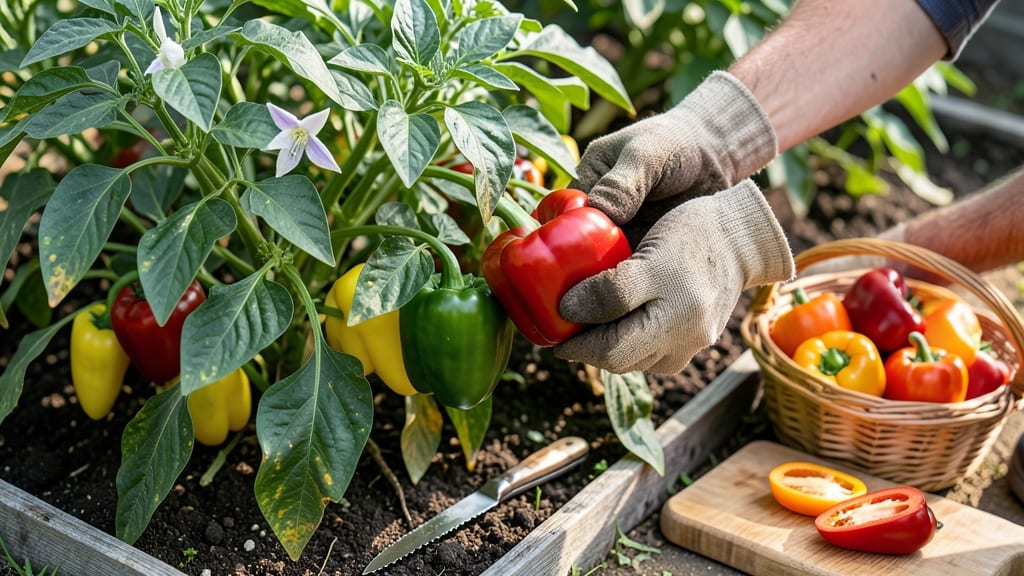
Timing your bell pepper harvest correctly ensures you get the sweetest, crispest peppers at their peak—before they turn mealy or bitter.
Picking bell peppers at the perfect moment ensures maximum flavor, texture, and yield—but how do you know when they're truly ready? A single misstep can turn a sweet harvest into a bitter disappointment.
Most varieties take 75 days to mature, but color and firmness are the real clues. Green peppers can be harvested early, while red, yellow, and orange types develop deeper flavors as they ripen. Miss the window, and you risk peppers that are tough, seedy, or past their prime.
In this guide, I’ll break down the color-coded ripeness stages, share five pro tips to test readiness beyond just color, and even show you how to extend your harvest season for a longer supply of homegrown goodness.
Bell pepper ripeness by color: when to harvest for best flavor and texture
Harvesting bell peppers at the right color stage transforms your garden into a flavor factory. Each color progression—from green to red—signals a sweetness peak and texture shift that can make or break your harvest.
But timing isn't one-size-fits-all; climate zones and variety types play starring roles in when your peppers hit their prime. Let's break down the color-coded harvest guide so you never miss the sweet spot.
Most gardeners assume green peppers are the default, but color changes unlock deeper flavors. For example, a red bell pepper contains nearly 11 times more vitamin C than its green counterpart. Understanding these stages helps you decide whether to harvest early for crisp texture or wait for maximum sweetness.
In warmer climates like Zone 9-10, peppers may ripen faster, while cooler Zone 5-6 gardens might need extra time—or even protective measures—to reach full color.
| Color Stage | Flavor Profile | Harvest Window (Days to Maturity) | Climate Notes |
|---|---|---|---|
| Green | Crisp, mild, slightly grassy | 60-75 days | Harvest anytime; common in short seasons |
| Yellow | Sweet, fruity, slightly tangy | 75-90 days | Needs warm days (75°F+) for full color |
| Orange | Balanced sweetness, carrot-like notes | 80-100 days | Thrive in Zone 7-10 with consistent sun |
| Red | Deepest sweetness, rich, slightly smoky | 90-120 days | Requires long, hot summers (Zone 8+ ideal) |
| Purple | Earthy, slightly bitter when raw; mellows when cooked | 70-85 days | Fades to red in full sun; protect from frost |
Green bell peppers are the default harvest stage for many gardeners, especially in shorter growing seasons. These peppers are crisp and mild, perfect for stir-fries or stuffing, but they lack the complex sweetness of their colored counterparts.
If you're in Zone 5 or cooler, harvesting green ensures you get any yield at all—frost can halt ripening fast. Even in warmer zones, some varieties like 'Early California Wonder' are bred to stay green for early harvests.
Yellow bell peppers signal the first major flavor upgrade from green. Their fruity sweetness develops as chlorophyll breaks down and sugars accumulate. In Zone 7-10, you'll see yellow peppers appear 2-3 weeks after green, but cooler climates may need row covers to push them along.
Look for a uniform golden hue—uneven coloring means they're not fully ripe. These peppers are ideal for raw snacks or salads where their bright flavor shines.
Orange bell peppers bridge the gap between yellow and red, offering a carrot-like sweetness that's less intense than red but richer than yellow.
They're a climate-sensitive stage: in Zone 8+, you might see oranges as early as 80 days, while Zone 6 gardens may need extended seasons or greenhouse support.
Harvest when the color is deep and consistent—peppers left too long on the vine can become leathery and bitter. Try them in roasted dishes where their natural sugars caramelize beautifully.
Red bell peppers are the flavor crown jewels of the pepper world, packing maximum sweetness and a slightly smoky depth. They develop 30-50% more sugar than green peppers, thanks to prolonged exposure to sunlight and warmth.
In Zone 9-10, red peppers may ripen by late summer, but Zone 7 and below often need season extenders like cold frames. Wait until the pepper is fully red and firm—overripe red peppers can become soft and mealy.
Their peak use? Fresh salsas or grilling to concentrate their natural sweetness.
Purple bell peppers are the wildcards of the bunch, often fading to red as they ripen. When fully purple, they have an earthy, slightly bitter flavor that mellows beautifully when cooked.
In cooler climates, they may stay purple longer, so don't rush to harvest—wait for deep, consistent color. If your purple peppers start turning red, that's a good sign they're nearing their sweetest stage.
Use them raw in salads for color contrast or roast them to bring out their natural caramelized notes.
Climate plays a huge role in pepper ripening speed. In hot, dry climates like
How to test bell pepper ripeness beyond color: 5 pro tips for gardeners
Color alone isn't always the best indicator of bell pepper ripeness. Some peppers may look ripe but taste bland, while others appear underripe yet pack maximum flavor. To avoid these pitfalls, I rely on five key tests that reveal true maturity.
These methods work for green, yellow, orange, and red varieties—no matter what stage they're in.
First, let's address the biggest mistake gardeners make: harvesting based solely on color. Many peppers develop their final hue before reaching peak sweetness. For example, a red bell pepper might turn bright red but still feel soft inside.
That's why I always combine visual cues with physical tests to confirm ripeness accurately.
When testing bell pepper ripeness, I always start with the firmness test because it reveals internal maturity. For example, my red jalapeno plants often produce peppers that turn red but stay hard.
By squeezing them first, I catch these underripe red peppers before they go to waste. This method works especially well in hot climates where peppers ripen quickly and may overmature.
Another common issue is inconsistent ripening across a single plant. Some branches produce ripe peppers while others lag behind. In these cases, I use the stem separation test to identify truly ready peppers.
I harvest only those that twist off easily, leaving the others to mature. This selective harvesting prevents overloading the plant and encourages even ripening.
For green bell peppers, I rely more on the size benchmark and skin thickness since color isn't a factor. My Italian sweet peppers often reach harvest size before turning any shade of yellow or red.
By measuring against the 3-inch minimum and checking for thick skin, I ensure I pick them at their sweetest stage. This approach also helps me extend the harvest season by picking green peppers early in the season.
Remember, overripe peppers develop a wrinkled texture and dull color, while underripe ones stay small, hard, and pale. By combining these tests, I've never missed a perfect harvest. The key is consistency—always testing the same way each time you check your plants.
With practice, you'll develop an instinct for knowing when peppers are truly ready to pick. 🌱