
How To
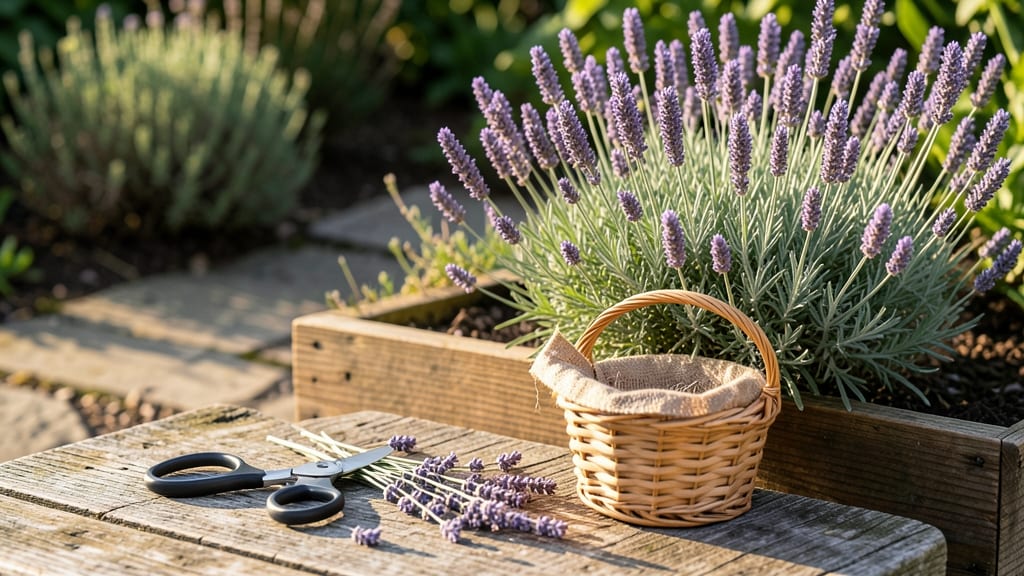
Harvesting lavender at the best time to harvest lavender maximizes its fragrant oil and flower quality—wait too long, and you’re left with bitter stems and lost potential.
Picture this: you’ve nurtured your 🌸 lavender all season, and now the moment of truth arrives. But timing is everything—pick too early, and the buds won’t develop their signature aroma.
Too late, and the oil content drops, leaving you with weak, dry flowers. The secret? Knowing exactly when those deep purple blooms are at their peak.
For USDA Zone 6a growers, that window typically falls between mid-July and early August, when ⅓ to ½ of the flowers have opened. But climate and variety matter—drier regions may need an earlier harvest, while cooler areas can stretch it a bit later.
The key is checking the buds daily for that perfect balance of color and firmness.
In this guide, I’ll walk you through the exact visual cues to look for, the best time of day to cut (hint: morning dew is your friend), and how to preserve that luxurious lavender scent long after the harvest. Let’s get started.

Lavender flower stages for optimal harvesting by oil content
Timing your lavender harvest is everything when it comes to maximizing essential oil content and fragrance. The flower stage directly impacts oil concentration—cut too early, and you miss peak potency; wait too long, and the stems become woody with lower quality blooms.
Understanding these stages helps you harvest at the perfect moment for the richest aroma and highest oil yield.
Lavender flowers progress through three critical stages: bud stage, peak bloom, and post-bloom. Each stage offers unique characteristics that affect drying quality, oil extraction, and fragrance intensity.
For example, buds at the ⅓ to ½ open phase contain the highest concentration of essential oils, while fully bloomed lavender loses up to 30% of its oil potency within days.
The bud stage is your golden window for harvesting lavender with the highest essential oil concentration. At this point, the flowers are only ⅓ to ½ open, and the stems feel firm and woody.
This stage ensures the maximum linalool and linalyl acetate content—compounds responsible for lavender’s signature scent and therapeutic properties. If you harvest at this stage, you’ll achieve a 20-30% higher oil yield compared to fully bloomed flowers.
When lavender reaches peak bloom, the flowers are fully open, and the stems may feel slightly softer. While still fragrant, this stage is ideal for fresh arrangements or culinary uses rather than oil extraction.
The oil content drops significantly as the flowers mature, and the stems become less suitable for drying. If you’re growing lavender for potpourri or sachets, this stage works well, but avoid it if your goal is maximizing essential oil production.
Post-bloom lavender is easily recognizable by its wilting flowers and brown edges. At this stage, the stems become hard and woody, and the oil content plummets to just 30-40% of peak levels. Harvesting at this point is generally discouraged unless you’re pruning to encourage new growth.
The dried flowers from this stage will lack the rich aroma and potency of those harvested earlier, making them less desirable for aromatherapy or commercial oil extraction.
To identify the perfect harvesting moment, focus on these visual cues: look for buds that are deep purple and ⅓ to ½ open, with stems that feel firm to the touch. Avoid harvesting in hot afternoon sun—morning harvests yield the freshest stems with the highest oil content.
Cut stems at a 45-degree angle just above a leaf node to promote bushier growth and encourage more blooms for future harvests.
One common mistake gardeners make is waiting until lavender is fully bloomed before harvesting. By this point, the oil concentration has already declined, and the stems may become too woody for effective drying.
Another error is harvesting too early when buds are still closed—this results in lower yield and weaker fragrance. The key is patience: wait until you see those telltale purple buds beginning to open, then act quickly to capture the peak oil content.
After harvesting, bundle stems and hang them upside down in a dry, well-ventilated area away from direct sunlight. Proper drying preserves the essential oil integrity and ensures the lavender retains its maximum fragrance. Within 2-3 weeks, the buds will turn a soft gray-brown, signaling they’re ready for storage.
Store dried lavender in airtight containers away from moisture to maintain its aromatic qualities for up to a year.
Regional climate plays a role in lavender’s flowering timeline. In cooler climates (USDA Zones 3-5), lavender may bloom later in the season, often between July and August. In warmer zones (6-9), flowering can start as early as June.
Monitor your plants closely and adjust your harvesting schedule accordingly. For year-round production, consider planting multiple lavender varieties with staggered blooming times.
By mastering these flower stages and harvesting at the optimal moment, you’ll unlock lavender’s full potential—richer scent, higher oil yield, and longer-lasting dried blooms.
The difference between a mediocre harvest and a premium-quality yield often comes down to timing, so keep an eye on those buds and reap the rewards of your patience! 🌺
How to time your lavender harvest for maximum yield and aroma
Timing your lavender harvest is everything when it comes to maximizing essential oil production and aroma intensity. The wrong timing can leave you with bitter-tasting stems or weak fragrance, while perfect timing unlocks the full potential of your plants.
Understanding your local climate zone and weather patterns is key to scheduling harvests that yield the most fragrant, oil-rich blooms.
Lavender thrives in USDA zones 5-9, but the exact timing shifts depending on whether you're in a cooler northern region or a warmer southern climate.
In cooler zones, aim for late June to early July, while southern gardeners should harvest in May or early June before summer heat sets in. Even within these windows, morning vs. afternoon harvesting makes a surprising difference in quality.
- 1 Harvest in the morning (before 9 AM) when dew is still present—this preserves essential oils and prevents wilting.
- 2 Wait until flowers are ⅓ to ½ open—this stage maximizes oil content (fully open flowers yield less fragrance).
- 3 Avoid harvesting after rain—wet stems dilute essential oils and slow drying. Wait 24+ hours for clear skies.
- 4 Cut stems at a 45° angle just above a leaf node to encourage bushier growth. Use clean, sharp pruners to avoid crushing stems.
- 5 Harvest every 6-8 weeks during peak season to maintain plant health and continuous flowering. Over-harvesting weakens stems.
For cooler climates (zones 5-7), prioritize harvesting in late June or July when daytime temperatures hover around 75-85°F. In warmer zones (8-9), shift to May or early June to avoid the intense summer heat, which can reduce oil production.
Always monitor your plants—bud color changes from green to purple are your best indicator.
Morning harvests consistently produce higher-quality lavender because the essential oils are most concentrated after a cool night. If you must harvest in the afternoon, do so before 3 PM to minimize wilting.
Bundle stems immediately and hang them in a dark, dry, well-ventilated space (like a garage with fans) to preserve aroma during drying.
Pro tip: Label your harvests by date and location—this helps track which batches yield the most fragrant, oil-rich lavender. Over time, you’ll learn exactly when your specific climate delivers peak quality. With the right timing, you’ll enjoy 30-50% more essential oil per harvest compared to off-time picking!