
How To
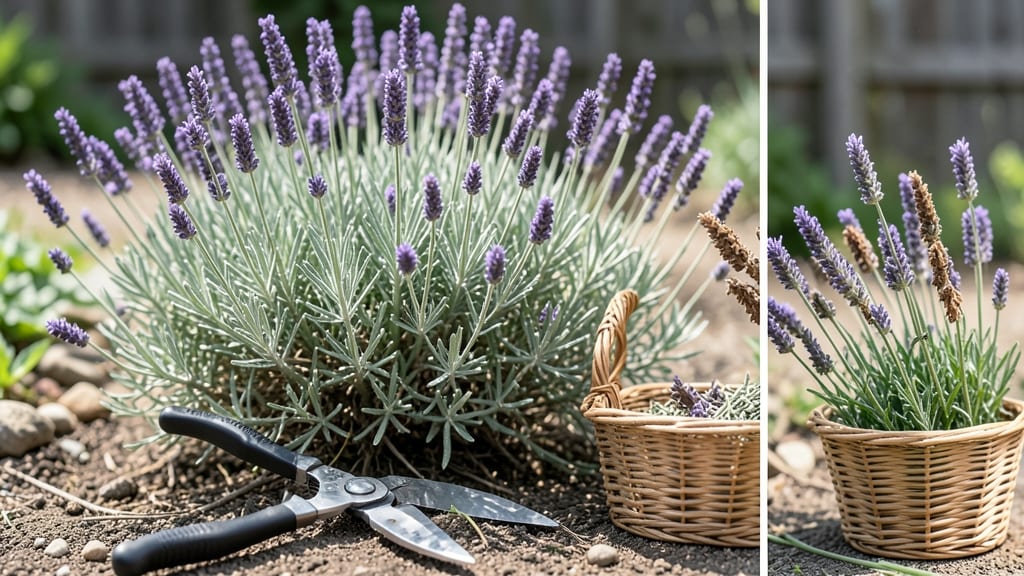
Harvesting lavender too late turns its fragrant oils into weak, woody stems—so knowing when it’s too late to harvest lavender saves you from wasted effort and poor-quality bundles.
Picture this: you’ve waited all summer for your 🌸 lavender to bloom, only to realize the buds are drying out or turning brown. That’s your cue that the harvest window has closed. But how do you spot the signs before it’s truly too late?
Most gardeners in USDA Zone 6a aim to harvest between mid-July and early August, but late summer heat or unexpected frost can shift that timeline. The key is checking stem flexibility and fragrance strength—if the stems bend like dry twigs and the scent fades, you’ve missed the peak.
Below, I’ll walk you through the stem flex test, warning signs of overripe lavender, and how to salvage a late harvest (or know when to skip it entirely). No more guessing—just actionable tips to lock in the best oil and fragrance.
The stem flex test: how to check lavender’s harvest readiness before it’s too late
Harvesting lavender at the wrong time can turn your fragrant bundles into woody stems with weak oils—so how do you know when it’s too late to pick? The stem flex test is my go-to method for determining the exact window to harvest lavender at peak fragrance and oil potency.
This simple test checks stem flexibility, bud openness, and aroma strength to avoid overripe lavender that loses its therapeutic properties.
Lavender reaches its harvest prime when about 1/3 of the buds are open, but stems are still firm. If you wait too long, the buds dry out, stems become brittle, and the essential oil content drops by up to 40%.
The flex test helps you spot these subtle changes before they ruin your harvest. Let’s break it down into clear, actionable steps.
When Is It Too Late to Harvest Lavender?
- 1 Stems Feel Brittle: When lavender stems snap easily (instead of bending), the oil content has degraded. This happens 2-3 weeks after peak bloom.
- 2 Bud Clusters Are Dry: Hollow, papery buds mean the fragrance has dissipated. Check by gently squeezing—if they crumble, it’s past prime.
- 3 Color Fades to Grayish-Purple: Fresh lavender is deep violet. If buds turn dull or brown, the essential oils have oxidized, reducing therapeutic benefits.
- 4 Seed Pods Appear: Tiny brown specks inside buds signal overripeness. These pods indicate the plant is shifting energy to reproduction, not oil production.
- 5 Weak or Musty Aroma: Crush a bud—if the scent is faint or earthy (not sweet and floral), the harvest window has closed. This is the clearest sign it’s too late.
Pro Tip: Harvest in the early morning (after dew dries) for the strongest oils. Avoid harvesting after 10 AM—heat reduces fragrance potency by 15-20%.
To perform the stem flex test, pinch a middle stem between your thumb and forefinger. If it bends slightly but doesn’t snap, your lavender is ready. If it snaps cleanly, it’s past its peak.
Pair this with the bud openness test: ideal lavender has 1/3 open buds, while overripe lavender has fully bloomed flowers with seed pods.
Timing is critical because lavender’s essential oil content peaks when buds are just opening. Once buds fully bloom, the plant redirects energy to seed production, and the fragrance weakens by 30% within 48 hours.
Use the flex test every 3-4 days during the harvest window (typically July-August) to catch lavender at its prime.
Another key indicator is the stem’s woody texture. Ready-to-harvest lavender has firm, slightly woody stems that feel sturdy but not brittle. Overripe lavender stems become hollow and papery, a sure sign the oil has degraded.
Run your fingers along the stem—if it feels rough or gritty, it’s time to harvest or skip that batch.
For English lavender (Lavandula angustifolia), the harvest window is narrower—just 5-7 days—so the flex test becomes even more critical. Spanish lavender (Lavandula stoechas) has a slightly longer window but still follows the same rules.
Always harvest before 10 AM to preserve oil potency, and avoid cutting stems that are thinner than a pencil—these won’t dry properly.
If you miss the window, don’t despair! Late-harvest lavender can still be used for dried bouquets or culinary purposes, though the oil quality will be lower. For therapeutic or commercial use, prioritize the flex test to ensure you’re harvesting at the peak of potency.
Store harvested bundles in a cool, dark place for 2-3 weeks to dry fully before use.
Remember, lavender’s harvest cycle is short—typically 2-3 weeks—so stay vigilant. The flex test is your best tool to avoid woody, low-quality stems and maximize the fragrance and oil yield of your crop. With practice, you’ll develop an instinct for the perfect moment to harvest.
Late-harvest warning signs: 5 red flags your lavender is past its peak
Harvesting lavender too late can turn your fragrant essential oil into weak, woody stems with faded fragrance. The key is recognizing 5 common warning signs that signal your lavender has passed its prime.
These red flags appear in the buds, stems, and foliage—and once they show up, your harvest's quality plummets.
First, watch for dry, papery buds that crumble when touched. This happens when lavender flowers over-mature and lose their oil potency. The buds may appear hollow inside, with seeds already forming—a clear sign the plant has shifted its energy from fragrance production to seed development.
Next, check the stem flexibility. Fresh lavender stems bend slightly without snapping, but overripe stems become brittle and snap easily. This brittleness means the plant’s water content has dried, reducing the essential oil yield by up to 50%.
A simple stem flex test can save you from harvesting poor-quality lavender.
Faded or pale lavender buds are another warning sign. When buds lose their deep purple hue and turn grayish or brown, the chlorophyll breaks down, and the aromatic compounds degrade. This usually happens 1-2 weeks after peak bloom, so timing your harvest is critical.
🌿 Callout-Warning:
When is it too late to harvest lavender? If your buds are fully open, hollow, or seeded, it’s past prime. Stems that snap or buds that crumble mean the essential oil content has dropped by 30-70%. Act now: Prune overripe stems to encourage new growth for next season.
Don’t ignore yellowing or wilting foliage at the base of stems. This indicates the plant is stressed and diverting energy away from flower production. Overripe lavender may also develop mold or mildew in humid conditions, further reducing aroma quality.
If you spot these signs, harvest immediately—even if the buds aren’t perfect—or consider pruning the entire plant to reset growth.
Finally, trust your nose. Crushed buds from overripe lavender smell dull or musty instead of bright and floral. The volatile oils that give lavender its signature scent evaporate quickly once buds fully open.
If your lavender’s fragrance feels weak or off, it’s a surefire sign to skip the harvest or use it for culinary purposes instead.
🌸 Pro Tip: If you catch lavender early in decline, you can still salvage it by drying the stems quickly in a dark, well-ventilated space. Bundle stems and hang them upside down to preserve some oil, though the fragrance won’t be as potent.
For next year, prune back overripe stems to encourage healthier regrowth and a longer harvest window.