
Vegetables
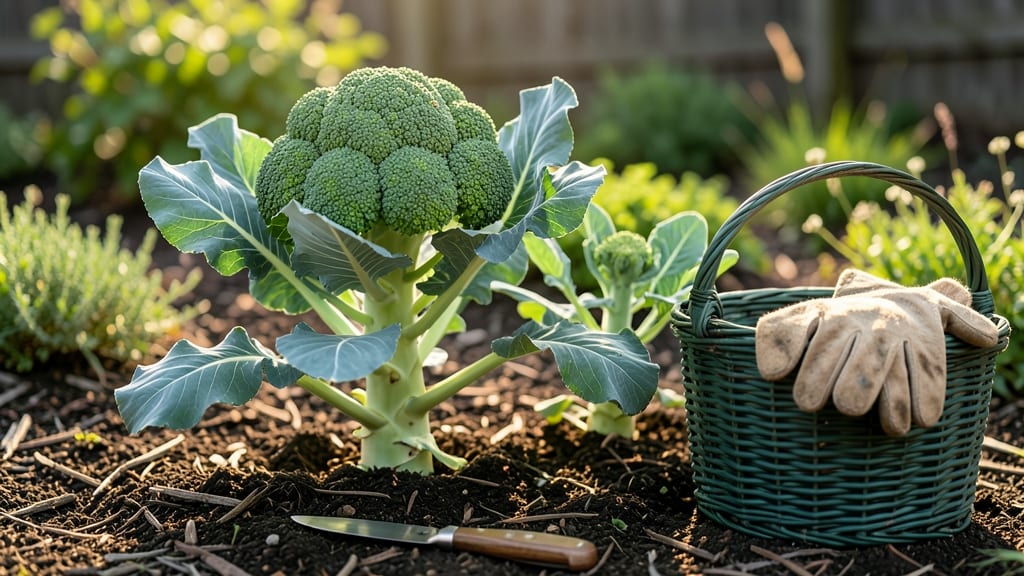
Harvesting broccoli at the right time ensures sweet, tender florets 🥦 — and knowing how to coax regrowth can turn one plant into a harvest powerhouse.
Picture this: you’ve nurtured your broccoli for weeks, only to cut the main head too early and watch it turn bitter, or wait too long and end up with tough, woody stems.
The difference between a perfect harvest and a disappointing one often comes down to timing—and a little trick most gardeners miss.
In zones like 6a, spring broccoli typically reaches harvest readiness in May or June, while fall varieties are ready by October or November. But the real secret isn’t just the calendar—it’s the stem twist test and understanding when to cut side shoots for continuous production.
Below, I’ll walk you through the exact signs to watch for, how to time your cuts for maximum flavor, and the simple steps to encourage your broccoli to keep producing—so you’re harvesting well into the season instead of just once.

How to use the broccoli stem twist test for perfect harvest timing
Harvesting broccoli at the right moment transforms your garden into a nutrient powerhouse. The stem twist test is my foolproof method to determine peak ripeness—no guesswork needed. When done correctly, this simple technique ensures your broccoli crowns are tender, sweet, and packed with flavor, not bitter or woody.
I’ve used this method for years, and it’s saved me from countless overripe harvests that ended up in the compost.
Before you grab your pruners, focus on three key visual cues: head size (4–6 inches wide), color intensity (deep green, not yellowing), and bud tightness (closed florets). These signs, combined with the twist test, create a foolproof system.
The twist test alone can tell you if the head is ready in under 10 seconds—no fancy tools required. Let’s dive into the step-by-step process to master this technique.
Timing your harvest is critical—broccoli heads mature rapidly, and missing the window by even 24 hours can turn your sweet crowns into bitter, woody florets. I’ve learned this the hard way! For spring broccoli, aim to harvest between 50–80 days after planting, depending on your variety.
In cooler climates like USDA Zone 6a, this typically falls in May–June, while fall harvests happen in October–November. Always adjust for your local frost dates to avoid premature bolting.
Once you’ve harvested the main head, don’t toss the plant! Broccoli is a self-regenerating powerhouse—with the right care, it can produce 3–5 side shoots over the next 4–6 weeks. To encourage regrowth, cut the main stem just above the lowest set of leaves.
This redirects the plant’s energy to produce smaller, but equally delicious, side shoots. Water deeply after pruning and keep the soil consistently moist to support new growth. I’ve doubled my harvest using this method, and it’s as simple as giving your plant a second chance.
For side shoots, watch for small buds forming along the stem. These will mature faster than the main head, often ready in 30–45 days. Use the same twist test to check their readiness—just scale down the size expectations.
Side shoots should be 2–3 inches wide when harvested. If left unchecked, they’ll grow into large, bitter heads, so stay vigilant and harvest them early for the best flavor.
One common mistake I see is harvesting too early to avoid overripeness. While it’s tempting to grab broccoli as soon as it’s visible, small heads lack flavor and nutrients. Aim for the largest possible head that still passes the twist test.
On the flip side, waiting too long leads to yellowing florets and a tough texture. Balance is key—trust the twist test, and your broccoli will thank you with crisp, sweet perfection every time.
Pro tip: If your broccoli plants are struggling to produce side shoots, they might need a light fertilizer boost. Use a balanced 5-10-10 formula applied 1 week after harvesting the main head.
This gives your plants the nutrients they need to bounce back and produce a second round of harvests. I’ve found that morning applications prevent leaf burn and ensure the fertilizer soaks into the soil effectively.
Finally, store your freshly harvested broccoli properly to maintain its freshness and flavor. Wrap the heads in a damp paper towel and place them in a plastic bag in the fridge. This method keeps broccoli crisp for up to 1 week.
For long-term storage, consider blanching and freezing—this preserves nutrients and extends your harvest well into winter. With the right timing and care, your broccoli plants can keep producing well into fall, giving you a steady supply of homegrown goodness.
Broccoli regrowth secrets: when and how to encourage multiple harvests
After cutting your main broccoli head, don’t toss the plant—it’s ready to produce side shoots that can give you 3-5 additional harvests if you follow the right steps. The key is timing your cut correctly and providing the right conditions to trigger regrowth.
Most gardeners miss this step, but with proper pruning and care, you can extend your harvest by 4-6 weeks without replanting.
Your first move after harvesting the main head is to cut the stem 5-7 inches below the harvested head. This encourages the plant to redirect energy to lateral shoots instead of flowering. Use a clean, sharp knife to avoid damaging the stem, which can invite disease.
For high-yield varieties like ‘Calabrese’ or ‘Waltham 29,’ you’ll see side shoots emerge within 2-3 weeks, while low-yield types like ‘De Cicco’ may take longer or produce fewer shoots.
Encouraging Broccoli Regrowth
Pros
- 🌱 Extended harvest by 4-6 weeks
- 💧 No replanting needed
- 🌿 Higher yield from side shoots
Cons
- ⏳ Slower regrowth in hot weather
- 🌡️ Pests/disease risk if stems are damaged
- 🌿 Smaller side shoots than main head
Tip: Use 5-10-10 fertilizer 1 week after cutting to boost regrowth.
Once you’ve made the cut, focus on watering and sunlight to maximize regrowth. Broccoli needs 1-1.5 inches of water weekly, but avoid overwatering, which can cause rot or yellowing leaves. Water deeply in the morning to let foliage dry before evening.
For optimal sunlight, ensure your plants get 6+ hours of direct sun daily. If you’re in USDA Zone 6a, fall-planted broccoli will benefit from cooler temperatures (60-70°F) to produce side shoots, while spring plants may struggle if temperatures rise above 80°F.
Fertilizer plays a crucial role in regrowth. Apply a balanced fertilizer (5-10-10) 1 week after cutting the main head to provide the nutrients needed for new growth. Avoid high-nitrogen fertilizers, which can promote leafy growth at the expense of side shoot development.
Instead, opt for a moderate nitrogen blend to encourage floret formation. For container-grown broccoli, use half the recommended dose to prevent over-fertilization, which can burn roots.
Monitor your broccoli closely for side shoots, which typically appear 3-5 weeks after pruning. These shoots will be smaller than the main head but still delicious. Harvest them when they reach 2-3 inches in diameter, cutting just above a leaf node to encourage even more regrowth.
Repeat this process 2-3 times per plant, depending on the variety and growing conditions. For high-yield varieties, you might harvest 4-5 side shoots per plant, while low-yield types may only produce 1-2.
If your broccoli starts producing tiny, bitter-tasting side shoots, it’s a sign of stress or poor growing conditions. Check for underwatering, nutrient deficiencies, or pest damage and adjust accordingly. For example, yellowing leaves may indicate a nitrogen deficiency, while crispy edges suggest low humidity or overwatering.
In Zone 6a, late-season regrowth can be tricky, so consider mulching to retain soil moisture and protect roots from temperature fluctuations.
With the right care, your broccoli plant can keep producing harvestable side shoots well into fall or early winter, depending on your climate. The secret lies in timing your cuts, maintaining consistent care, and choosing the right varieties.
For maximum success, pair high-yield types like ‘Green Magic’ with proper pruning and fertilization—and soon, you’ll be enjoying a steady supply of fresh, homegrown broccoli without the extra work of replanting. 🌱