
How To
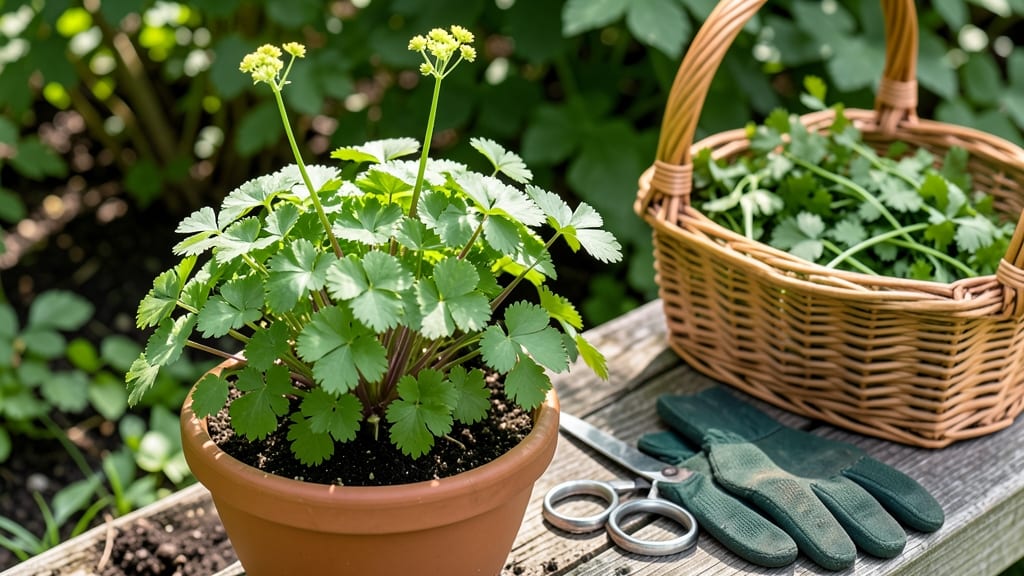
To harvest flat leaf parsley at its peak flavor and keep your 🌿 thriving, you need the stem twist test—a simple trick that tells you exactly when to pick without harming the plant.
Picture this: you’re about to snip a sprig for your favorite dish, but you pause—should you take just the outer leaves, or risk cutting too much? The twist test solves that dilemma in seconds, ensuring you get the freshest leaves while encouraging more growth.
This method isn’t just about timing; it’s about preserving your plant’s health so you can enjoy a steady supply from June through October. Whether you’re a beginner or a seasoned gardener, mastering this technique will change how you harvest parsley forever.
Below, I’ll walk you through the exact steps—when to twist, how to cut, and what to avoid—to guarantee a bountiful harvest all season long.
When and how to harvest flat leaf parsley using the stem twist test
Harvesting flat leaf parsley at the right time ensures maximum flavor and encourages continuous growth. The stem twist test is my go-to method for determining when leaves are ready—it’s simple, reliable, and preserves plant health.
Unlike curly parsley, flat leaf varieties have tender, delicate leaves that respond well to this gentle technique.
Timing your harvest correctly prevents bolting (flowering) and maintains a bushy, productive plant. Flat leaf parsley typically reaches harvestable size in 75-100 days after planting, but the stem twist test gives you a precise cue beyond just measuring leaf size.
This method works best when leaves are 3-4 inches tall and fully developed.
- Step 1
- Step 2
- Step 3
- Step 4
- Step 5
One common mistake is harvesting only the largest leaves, which can leave the plant looking sparse. Instead, focus on outer leaves first—they’re more mature and won’t hinder the plant’s ability to regrow. The stem twist test helps you avoid this by confirming leaf readiness without guessing.
Seasonal timing matters too. In summer’s heat, parsley may bolt faster, so harvest more frequently to stay ahead. In fall, reduce harvesting as days shorten, letting the plant store energy for next year.
If your parsley starts to flower, it’s past its prime—harvest all remaining leaves immediately and compost the plant to prevent reseeding.
For container-grown parsley, the same rules apply, but monitor soil moisture more closely. Containers dry out faster, so check the stem twist test every 5-7 days during hot weather. If leaves feel wilted or crispy, the plant is stressed—water deeply and avoid harvesting until it recovers.
Pro tip: Store harvested parsley in a glass of water in the fridge, like flowers, to extend freshness for up to 2 weeks. Change the water every 2-3 days for maximum crispness.
This method also works for regrowing parsley from cuttings—simply place stems in water until roots form, then transplant!
Remember, flat leaf parsley is a biennial, meaning it can produce leaves for 2 years if cared for properly. By mastering the stem twist test and following these steps, you’ll enjoy a year-round supply of fresh, flavorful herbs without sacrificing plant health. Happy harvesting! 🌿
Best practices for harvesting flat leaf parsley without damaging the plant
Harvesting flat leaf parsley properly ensures you get fresh, flavorful leaves while keeping your plant healthy and productive. The key is to use gentle techniques that encourage regrowth rather than stripping the plant. I’ve learned that selective harvesting—targeting specific leaves—helps maintain the plant’s vigor for months.
Start by focusing on the outer leaves first, as these are fully mature and won’t stunt the plant’s growth. This method allows the inner leaves to continue growing, giving you a steady supply.
Avoid cutting into the center stem unless you’re harvesting the entire plant, as this can weaken or even kill it.
⚠️ callout warning ⚠️
Never remove more than one-third of the plant at once. Cutting too much stresses the parsley, reducing its ability to regrow. If you need large quantities, harvest smaller amounts over time instead of taking everything at once.
Signs of over-harvesting: Yellowing leaves, stunted growth, or bare stems.
Timing matters too. Harvest in the morning after dew dries to ensure leaves are crisp and full of flavor. Early harvests in spring or late harvests in fall should be gentler, as the plant is slower to recover in cooler temperatures.
Always use clean, sharp scissors or pruning shears to avoid tearing leaves or spreading disease.
To encourage regrowth, trim leaves just above a leaf node—the point where leaves attach to the stem. This encourages new shoots to sprout from that location.
I’ve found that regular light harvesting (every 2-3 weeks) keeps parsley bushy and productive, while heavy harvesting once or twice a year leads to slower recovery.
Seasonal adjustments are crucial. In summer’s peak heat, parsley may bolt (flower prematurely), which reduces leaf quality. If this happens, harvest the outer leaves quickly and provide afternoon shade.
In winter’s dormancy, avoid harvesting at all—let the plant rest until spring. Mulching with straw helps protect roots during cold months.
Store harvested parsley properly to extend its life. Wrap leaves in a damp paper towel and place them in a sealed bag in the fridge for up to 10 days. For long-term storage, freeze leaves in ice cube trays with water or oil for easy access later.
With these practices, your parsley plant will reward you with year-round harvests and robust growth.