
How To
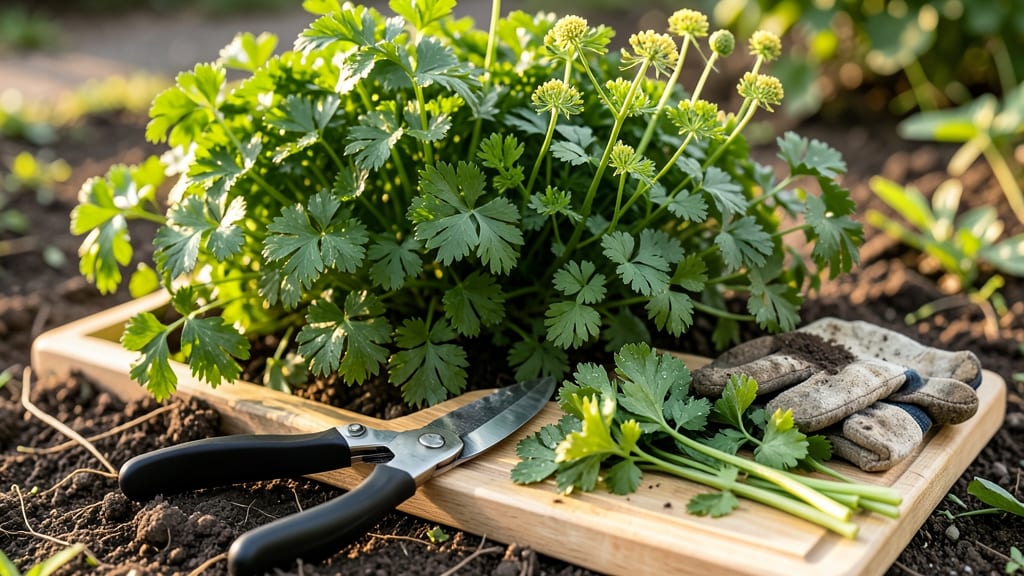
To harvest parsley at its peak flavor and keep it growing strong, focus on timing and technique—cutting too early or too late can ruin both the taste and the plant’s health.
Fresh parsley isn’t just a garnish—it’s a flavor powerhouse that thrives when harvested correctly, but timing and technique make all the difference between vibrant greens and wilted disappointment.
You’ll want to start harvesting in June once the leaves reach about 3-5 inches and are bright green, but the real secret is cutting just the outer leaves or stems to encourage regrowth.
Below, I’ll walk you through the best tools, the right way to trim, and how to store your harvest so it stays fresh longer—plus, why frequent harvesting actually makes your parsley bushier and more productive.
When and how to harvest parsley for maximum freshness and regrowth
Harvesting parsley at the right time transforms it from a simple herb to a flavor powerhouse in your kitchen. The key lies in understanding your plant’s needs—whether you’re growing flat-leaf or curly parsley—and recognizing the subtle signs that signal peak harvest readiness.
I’ve learned that patience and precision pay off with bushier regrowth and richer taste, so let’s dive into the best practices to keep your parsley thriving.
Timing your harvest isn’t just about when you pick the leaves; it’s about seasonal alignment and daily rhythms. Early mornings are ideal because the dew has evaporated, and the leaves are crisp and hydrated.
This simple habit preserves flavor and reduces stress on the plant. Plus, harvesting at the right stage—when leaves are 3-5 inches long—ensures you get the most vibrant, flavorful greens without sacrificing future growth.
- 1 Leaf vs. Root Harvesting: Flat-leaf parsley is best harvested by cutting outer stems (never more than one-third of the plant at once). Root parsley (like Hamburg parsley) should be pulled entire when leaves reach 8-10 inches tall.
- 2 Seasonal Windows: Start harvesting 60-75 days after sowing. In USDA Zone 6a, aim for June-October. For winter harvests, use row covers to protect plants until the first frost (October 30 in most regions).
- 3 Early Morning Magic: Harvest between 6-9 AM when leaves are cool and turgid. Avoid harvesting after noon—leaves wilt faster and lose flavor due to heat stress.
- 4 Tools Matter: Use sharp scissors or pruners (never dull knives). Cut stems at a 45-degree angle, 1/4 inch above a leaf node to encourage new growth. Never pull leaves—this damages the plant.
- 5 Regrowth Tips: After harvesting, water deeply and apply a balanced fertilizer (5-10-10) to promote recovery. Space harvests 2-3 weeks apart to maintain a continuous supply of fresh leaves.
Parsley’s harvest window extends beyond just the leaves—root parsley varieties, like Hamburg parsley, are harvested differently. If you’re growing this type, pull the entire plant when the leaves reach 8-10 inches tall, but leave a few smaller leaves attached to encourage regrowth.
For leaf parsley, focus on selective harvesting: snip the outer stems first, leaving the inner growth intact. This method ensures your plant stays bushy and productive for months.
Seasonal timing is critical, especially in USDA Zone 6a, where the growing season spans June-October. Start harvesting as soon as your parsley reaches 60 days of growth, but wait until leaves are 3-5 inches long for optimal flavor.
If you’re in a cooler climate, extend your harvest with row covers until the first frost (October 30). I’ve found that late-summer harvests yield the most robust flavor, but regular harvesting throughout the season keeps your parsley lush and prolific.
One of my biggest harvesting mistakes was ignoring the early-morning rule. Leaves picked after noon wilt quickly and lose their vibrant green color, which means duller flavor. To avoid this, I now make it a habit to harvest parsley right after sunrise.
The cool temperatures and high humidity preserve the leaves’ crispness, and the flavor compounds remain at their peak. Pro tip: Rinse your freshly cut parsley in ice water for 10 minutes before storing—this keeps it crisp for days.
After harvesting, your parsley needs immediate care to bounce back. Always water deeply within 24 hours to replenish moisture lost during cutting. I also add a light fertilizer (like a 5-10-10 blend) to encourage new growth. Space your harvests 2-3 weeks apart to avoid overstressing the plant.
If you harvest too aggressively, parsley can become woody and bitter, so moderation is key. Think of it like pruning a shrub: you want to shape it without stripping it bare.
For container-grown parsley, harvesting follows the same rules but requires extra attention to soil moisture. Containers dry out faster, so check the soil daily during hot, dry spells. If the top inch feels dry, it’s time to water.
I’ve also noticed that container parsley benefits from a weekly foliar spray with diluted fish emulsion—this gives it an extra nutrient boost without overloading the roots. With the right care, container parsley can be just as productive as in-ground plants.
Don’t forget that parsley is a biennial herb, meaning it can regrow for a second year if cared for properly. To maximize your yield, <
Step-by-step parsley cutting techniques: avoid these common mistakes
Harvesting parsley correctly ensures a steady supply of fresh, flavorful leaves while keeping your plant healthy. The key lies in selective cutting rather than hacking off entire stems—this encourages bushier regrowth and prevents stunted growth.
Whether you're harvesting for soups, garnishes, or salads, mastering the right techniques will make all the difference in your garden's productivity.
Before you grab your shears, understand that parsley has two main harvesting methods: topping (cutting the entire plant back) and selective harvesting (picking individual leaves or stems). Each method serves a purpose, but timing and technique are everything.
For example, topping works well when your parsley reaches 8-12 inches tall, while selective harvesting is ideal for maintaining a continuous supply of fresh leaves throughout the growing season.
⚠️ callout warning ⚠️
- Over-harvesting: Never cut more than one-third of the plant at once—this stresses the roots and slows regrowth.
- Dirty tools: Always sterilize scissors or pruners with rubbing alcohol to prevent spreading disease.
- Wrong timing: Avoid harvesting in hot afternoons—early morning yields the freshest leaves and reduces stress.
- Cutting stems too short: Leave at least 2-3 inches of growth to ensure new leaves can sprout.
Start by selecting the right tools for the job. A sharp pair of pruning shears or clean kitchen scissors will give you the cleanest cuts without crushing stems. Dull blades tear leaves, making them more susceptible to bacterial infections and wilting.
For larger plants, I recommend using bypass pruners, which provide precision and reduce damage to surrounding foliage.
When harvesting, focus on the outer leaves first—they’re fully mature and won’t hinder the plant’s growth. Use your fingers to gently pinch off individual stems just above a leaf node (the point where leaves grow). This encourages the plant to branch out and produce more leaves.
For a fuller harvest, you can also cut entire stems at the base, but be sure to leave at least half the plant intact to maintain its vigor.
One of the biggest mistakes gardeners make is harvesting parsley too aggressively early in the season. Young parsley plants are still establishing their root systems, and over-harvesting can lead to stunted growth or even death.
Wait until your parsley has 5-7 mature leaves per stem before making your first cuts. This ensures the plant has the energy to recover and regrow after harvesting.
After harvesting, don’t forget to water your parsley thoroughly and apply a light layer of compost to replenish nutrients. This helps the plant bounce back faster and encourages new growth.
With the right techniques, you can enjoy a continuous harvest from a single parsley plant all season long—no need to replant every few weeks!