
Picking
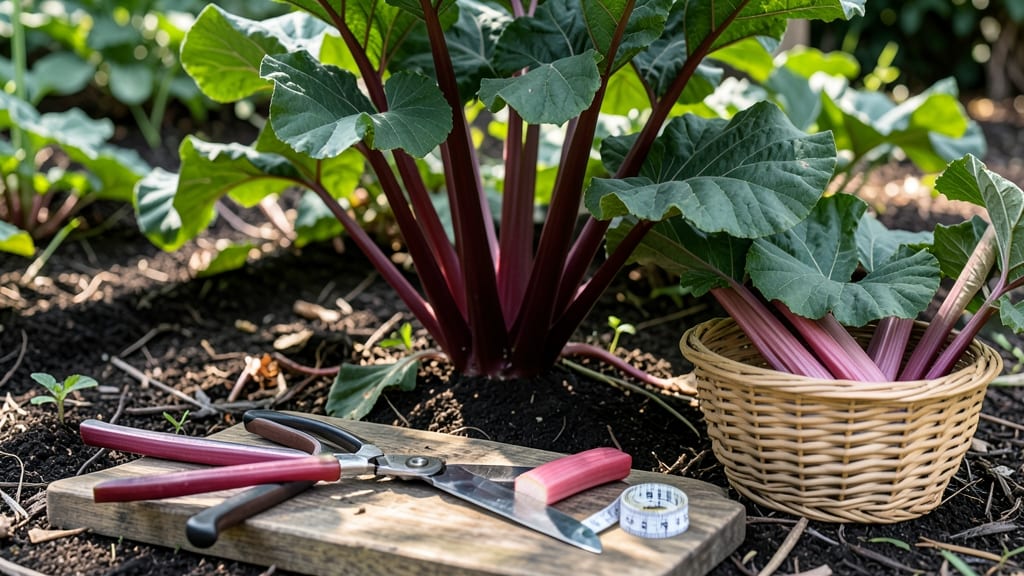
Harvesting rhubarb in October depends on your variety, local frost dates, and how you plan to use the stalks—some hardy types can handle light chills, while others need to be picked before the first freeze.
Picture this: your rhubarb patch 🌱 is still sending up fresh stalks as October rolls in, but you’re not sure whether to pull them now or wait.
The truth is, most rhubarb varieties can survive a light frost, but the real trick is timing it right to avoid damage—and knowing when to stop.
In cooler climates like USDA Zone 6a, you might get a few extra weeks of harvest, while warmer regions could see an earlier frost cutting the season short. The key is checking stalk thickness, color, and soil conditions before making your last pick.
Below, I’ll walk you through how to identify frost-resistant varieties, when to harvest for peak flavor, and how to store your October rhubarb so it lasts through winter—no waste, just delicious stalks ready for pies or preserves.
When and how to harvest rhubarb in October: frost-resistant varieties explained
October’s crisp air signals the end of rhubarb season—but not always. Some varieties thrive in light frost, while others suffer damage. The key lies in choosing frost-resistant types like 'Victoria' or 'Timperley Early', which can handle 28°F (-2°C) without permanent harm.
If your rhubarb is still producing stalks, timing your harvest right ensures you get the last of the season’s bounty without compromising next year’s crop.
Harvesting in October requires caution. While some gardeners leave stalks until spring, others prefer a light late-season harvest to avoid frost damage. The best approach depends on your USDA zone and whether your rhubarb is dormant-resistant.
In colder climates (zones 3–5), stop harvesting by mid-October to protect the crown. Warmer zones (6–9) may extend harvests until the first frost.
| Variety | Frost Tolerance | Last Harvest Window | Yield Notes |
|---|---|---|---|
| 'Victoria' | 28°F (-2°C) | Mid-October (zones 3–6) | High yield; deep red stalks |
| 'Timperley Early' | 25°F (-4°C) | Late October (zones 4–7) | Early producer; pink stalks |
| 'Cherry Strudel' | 23°F (-5°C) | Early October (zones 5–8) | Sweet-tart; compact growth |
| 'German Red' | 20°F (-7°C) | Late September (zones 6–9) | Large stalks; late-season hardy |
*Harvest windows adjust 2–4 weeks earlier in high-altitude regions.
To harvest rhubarb in October, wait until morning after frost to pick stalks. Use a sharp knife to cut 1–2 inches above the crown, leaving the leafy tops intact—they protect the plant over winter.
Avoid pulling stalks, which can damage roots. For light frost exposure, harvest only the most mature stalks to reduce stress on the plant.
If your rhubarb is in USDA zones 3–5, prioritize varieties like 'Victoria', which can tolerate brief cold snaps. In warmer zones (6–9), you might extend harvests until mid-October, but monitor forecasts for early frosts.
Mulch heavily with straw or leaves after your last harvest to insulate the crown through winter.
Never harvest rhubarb after a hard freeze (below 20°F/-7°C), as this can kill the plant. Instead, focus on post-harvest care: trim damaged leaves, water lightly, and apply a thick layer of mulch. This prepares your rhubarb for dormancy and ensures a robust spring regrowth.
Pro tip: Label your rhubarb varieties in early spring so you know which ones are frost-hardy and can safely harvest in October. This simple step saves time and prevents accidental damage to tender stalks.
For gardeners in cooler microclimates, consider harvesting only 50% of stalks in October to leave enough energy for the plant to survive winter. This "light harvest" technique works wonders for second-year plants, which are still establishing their root systems.
Store freshly harvested October rhubarb in the crisper drawer of your fridge for up to 2 weeks. For long-term storage, freeze stalks whole or chop and store in airtight containers. This preserves their vibrant color and tart flavor for pies and compotes in the off-season.
Remember: October’s rhubarb harvest is a balancing act between yield and plant health. By choosing the right variety and timing cuts carefully, you can enjoy late-season stalks without sacrificing next year’s bounty.
Start with 'Victoria' or 'Timperley Early', and you’ll be well on your way to a successful autumn harvest.
Last-pick checklist: signs your rhubarb is ready for October harvest (or not)
October’s crisp air signals the end of rhubarb season—but not always! Before you harvest, check your rhubarb stalks for these key indicators. Cold-hardy varieties like Victoria or Timperley Early can handle light frost, but tender stalks risk damage.
Start by examining stalk thickness and leaf health to decide: harvest, leave, or mulch for winter.
Your rhubarb’s maturity is the first clue. Stalks should be 8–12 inches long and vibrant red/pink—not pale or woody. If they’re thinner than a pencil, wait a week or two.
For USDA zones 3–5, expect earlier frost; zones 7–9 may allow harvests into November. Always prioritize stalks over leaves, which feed the plant for next year’s growth.
- 🌱 Stalk Thickness: Harvest only if stalks are 1 inch thick or thicker. Thin stalks won’t survive frost.
- ✂️ Leaf Health: Yellowing leaves signal stress—stop harvesting if >50% of leaves are damaged.
- 🌡️ Frost Timeline: In zones 3–4, harvest by mid-October. Zones 7–9 can wait until late October if no frost is forecasted.
- 💧 Soil Conditions: Dry soil stresses rhubarb—water deeply if stalks feel limp. Avoid harvesting if soil is waterlogged.
- 🌿 Mulch Decision: If stalks are small or damaged, mulch with straw (4–6 inches) to protect roots over winter.
Never harvest frost-damaged stalks—they’ll turn mushy and attract pests. Instead, cut them at the base and compost them. For late-season storage, trim stalks to 6 inches and store them in a cool, dark place (like a root cellar) for up to 2 weeks.
If your rhubarb is young (<2 years old), leave it in the ground to establish roots for next year’s bounty.
Pro tip: Mark your calendar for your region’s average first frost date. In USDA zone 6, that’s typically October 15. If frost is imminent, harvest only the thickest stalks and leave the rest for spring. Overharvesting weakens the plant before winter dormancy.
Your rhubarb’s last harvest should feel strategic, not desperate. Prioritize quality over quantity: a few perfect stalks beat a bushel of frost-bitten ones. After your final pick, remove any remaining leaves (but leave stalks) to protect the crown. This simple step can double next year’s yield.
Now’s the time to reflect on your rhubarb’s performance. Did it thrive in your USDA zone? Note which varieties produced the best stalks in October. With these signs in mind, you’ll never second-guess your last-pick timing again—just crisp, homegrown rhubarb ready for pies or compotes until spring! 🍽️