
Picking
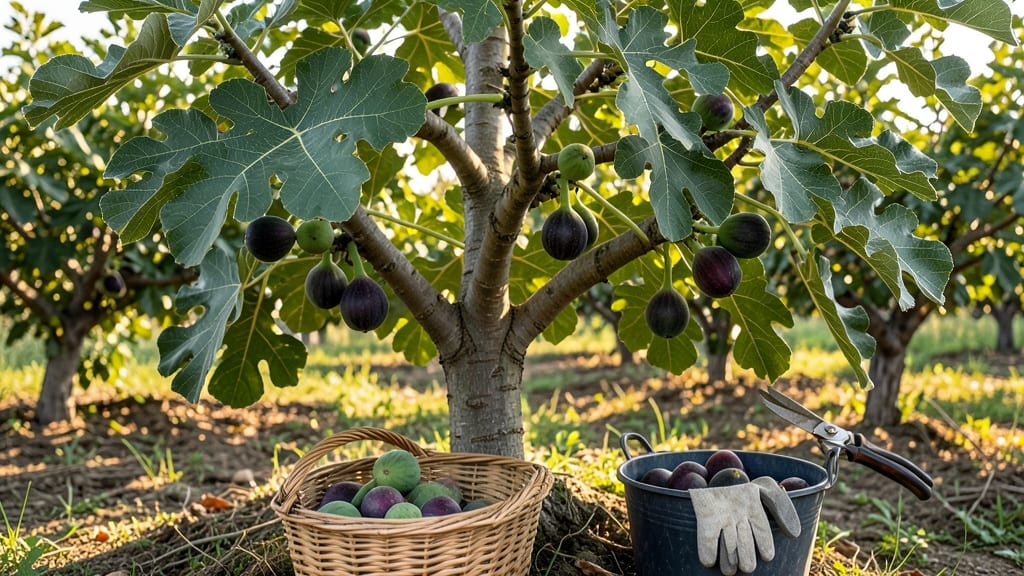
Fig harvest time arrives when the skin develops those telltale dimples and the fruit swells with sweetness 🍈 — a window that lasts from August through October in most growing zones.
If you’ve ever wondered why your fig tree’s fruit seems to develop mysterious dimples—or when to finally pluck those sweet, honey-like treats—timing is everything. Harvesting figs at the right moment ensures maximum flavor, texture, and yield, but knowing the signs can be tricky for even seasoned gardeners.
In Zone 6a, where spring planting begins in March, the first harvest often arrives by mid-summer, but cooler climates may delay ripening until September. The key is watching for color shifts, skin softness, and those signature dimples that signal peak ripeness.
Below, I’ll walk you through how to spot the perfect fig, avoid common mistakes that ruin flavor, and even extend your harvest season in cooler areas. Ready to turn your tree into a sweet, sun-drenched bounty?

How to identify the perfect fig harvest time by skin dimples and color
Fig trees produce fruit that ripens with subtle but unmistakable signs—especially those skin dimples that signal readiness. Unlike many fruits, figs don’t rely solely on color; their texture and dimpling patterns are key indicators.
In Mediterranean climates, where figs thrive, these dimples deepen as sugars concentrate, while in North American zones (like USDA 6a), cooler temperatures may delay dimple formation but intensify color shifts.
First, focus on the fruit’s color transition. Young figs start green but mature into deep purple, brown, or yellow hues depending on the variety. For example, Black Mission figs turn rich purple, while Brown Turkey figs develop a warm amber tone.
Ignoring color alone can lead to premature harvesting, resulting in bland, underripe fruit that lacks the signature honey-like sweetness.
Here’s a quick reference to help you spot the perfect harvest time at a glance:
| Sign | Description | Action |
|---|---|---|
| Skin Dimples | Deep, well-defined indentations forming on the skin | Harvest within 1-2 days |
| Color Change | Fully mature hue (no green patches) | Check firmness next |
| Firmness Test | Yields slightly when pressed (like a ripe peach) | Ready to harvest |
| Base Separation | Stem detaches cleanly with gentle twist | Harvest immediately |
| Weight | Feels unusually heavy for size | Prioritize for harvest |
Regional climates play a huge role in fig ripening. In Mediterranean regions, figs often ripen by late summer, while North American varieties may extend into early fall.
For example, Kadota figs in California ripen earlier (July-August) due to warmer microclimates, whereas Chicago-grown figs might not reach peak ripeness until September. Always monitor your local frost dates—figs won’t ripen post-frost, so harvest before temperatures drop below 40°F (4°C).
One of the biggest mistakes gardeners make is overlooking the dimple test. Some figs may look colored but lack the telltale dimples, indicating they’re not yet ripe. To test, gently press the fruit—if it feels slightly soft (like a ripe avocado) and the skin gives way, it’s ready.
A firm fig with no dimples? Wait another 3-5 days. Overripe figs become mushy and attract pests like wasps, so timing is critical.
For container-grown figs, harvest times may shift slightly due to limited root space. These trees often ripen 1-2 weeks earlier than in-ground varieties, so check dimples and color daily during peak season.
If your fig tree is in a cooler microclimate, like a shaded patio, expect slower ripening—supplement with a south-facing position or temporary shade cloth to accelerate color development.
Pro tip: Harvest figs in the morning when temperatures are cool. This preserves their flavor and texture longer. Store them at room temperature for 2-3 days or refrigerate for up to 1 week to extend freshness.
If you miss the harvest window, some varieties (like Celeste figs) can be picked green and ripened indoors in a paper bag with a banana for 2-3 days.
Finally, don’t forget to prune spent branches after harvest to encourage next year’s crop. Remove any figs that didn’t ripen—this redirects the tree’s energy toward producing healthier, sweeter fruit in the following season. With practice, you’ll master the art of spotting those perfect dimples and colors like a pro!
Best practices for harvesting figs without damaging the tree or fruit
Harvesting figs requires gentle hands and patience to avoid bruising the delicate fruit or harming your tree. The right technique ensures a bountiful yield while keeping your fig tree healthy for years to come.
Whether you're a first-time grower or a seasoned gardener, knowing when and how to harvest makes all the difference in flavor and storage life.
Figs ripen quickly once picked, so timing is critical. A single day's delay can turn a sweet, firm fig into an overripe, mushy mess. Even the wrong harvesting tool can cause unnecessary damage.
Let’s explore the best methods to pick figs without stressing your tree, plus tips to extend their freshness after harvest.
- Twisting figs off branches—this tears the stem and damages the fruit.
- Harvesting when figs are still green—they won’t ripen off the tree.
- Using sharp tools like knives or scissors—opt for clean, blunt scissors instead.
- Ignoring weather forecasts—rain before harvest can cause rot.
Start by using the right tools: a pair of clean, sharp pruning shears or a small knife works best. Always cut the stem just above the fruit to avoid leaving stubs that can attract pests.
For container-grown figs, gently twist the fig while supporting the branch to prevent snapping. This method reduces stress on the tree while ensuring a clean break.
Climate plays a huge role in harvest timing. In warmer regions like California or Arizona, figs may ripen as early as late July, while cooler zones like Zone 6 or 7 might see harvests stretching into October.
Watch for color changes and the telltale dimpling of the skin—these are your best indicators. If you’re unsure, pick one fig, taste it, and wait 24 hours to see if it improves.
After harvesting, store figs in a cool, dry place like a paper bag in the fridge for up to 5 days. For longer storage, freeze them whole or slice them—perfect for smoothies or baking later.
Prune your fig tree immediately after harvest to remove dead or diseased branches, which encourages new growth for next season’s crop.
Pro tip: Mulch around your fig tree’s base after harvest to retain moisture and protect roots during winter. This simple step can boost next year’s yield by 20-30% in some varieties. With these practices, you’ll enjoy a stress-free harvest and a tree that thrives for decades.