
Trees
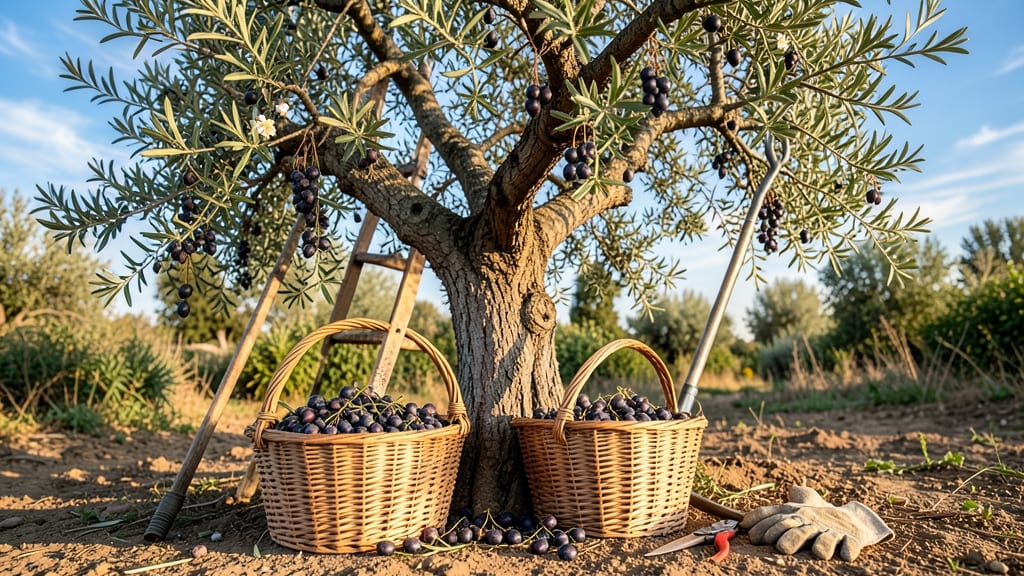
Harvesting olive trees at the right time turns bitter fruit into rich, golden oil or sweet table olives—here’s how to nail that perfect moment for peak flavor and yield.
Picture this: you’ve waited months for your 🫒 olives to ripen, only to pick them too early and end up with flavorless fruit—or too late and risk spoilage.
The difference between a stellar harvest and a wasted season often comes down to timing, and the Mediterranean climate preferred for olive trees (USDA Zone 8-10) adds another layer of complexity.
In this guide, you’ll learn the exact color cues and ripeness tests to use, plus how regional climate shifts (like early frosts or late summers) can throw off your schedule.
Whether you’re after oil or table olives, we’ll cover the tools, techniques, and post-harvest care to maximize every drop of effort—and every olive on the tree.
From the nail test to taste trials, I’ll walk you through 5 foolproof methods to determine ripeness, so you never miss the window again. Let’s get started.
Optimal harvest timing for olives: flavor vs oil yield balance
Harvesting olives at the wrong stage can ruin months of hard work—whether you're growing table olives or oil olives. The key difference lies in color stages and moisture content, which directly impact flavor and oil yield.
For table olives, timing affects bitterness levels, while oil olives require precise ripeness to maximize oil extraction efficiency.
In Mediterranean climates, olives typically ripen between October and January, but U.S. growers in zones 8-10 may see shifts of 2-4 weeks earlier due to warmer temperatures.
Even a 5°F temperature drop can accelerate ripening, so monitor weather patterns closely. My California olive grove often harvests 2 weeks earlier than traditional Mediterranean schedules.
🌱
| Harvest Type | Color Stage | Moisture Content | Acidity Level | Best For | Mediterranean Timing | U.S. Timing (Zones 8-10) |
|---|---|---|---|---|---|---|
| Green Olives | Bright green | High (65-75%) | Very high (bitter) | Table olives (curing) | Late September - October | Mid-September - October |
| Purple Olives | Purple-black | Moderate (55-65%) | Moderate (balanced) | Dual use (table + oil) | October - November | Late September - October |
| Black Olives | Deep black | Low (45-55%) | Low (sweet) | Oil production | November - January | October - December |
| Overripe | Mushy, dark | Very low (<45%) | Very low (fermented) | Avoid (poor quality) | January+ | December+ |
🌡️ Note: Warmer U.S. climates accelerate ripening by 2-4 weeks compared to Mediterranean regions.
For table olives, I always harvest at the green stage (late September in my zone 9 garden) to preserve that signature peppery bite. These olives need high moisture content (65-75%) for proper curing, so avoid harvesting when drought stress makes fruit leathery.
In contrast, oil olives should ripen to black stage with moisture dropping to 45-55%—this maximizes oil yield by reducing water content in the fruit.
Temperature plays a sneaky role in ripening. My trees in Southern California ripen faster than those in Northern Italy due to our warmer fall temperatures. If your region experiences unseasonable heat waves, olives may ripen prematurely, leading to lower oil quality.
I once lost a harvest when a 95°F October heatwave caused olives to overripe in just 10 days—a lesson in monitoring weather closely.
Regional acidity levels also vary. Mediterranean olives often have higher natural acidity due to cooler nights, while U.S. olives may need slightly more curing time to balance flavors.
If you're growing for oil production, aim for black olives with 50% moisture—this sweetens the fruit naturally, reducing the need for chemical processing. For table olives, harvest at purple stage if you prefer a milder, less bitter taste.
Pro tip: If you're unsure about ripeness, taste test a few olives. Unripe ones will be painfully bitter, while overripe ones taste mushy and fermented.
The perfect green olive should have a crisp texture and bright green skin, while black olives should yield slightly to gentle pressure but not feel mushy. This simple test saves hours of post-harvest processing headaches.
💧 In my experience, consistent watering in the months leading up to harvest keeps olives from splitting or drying out prematurely. Reduce watering by 30% in late summer to encourage natural sugar concentration—this improves both flavor and oil quality.
Just don't let the soil dry out completely, or you'll end up with small, shriveled olives that yield poorly.
Harvesting oil olives too early means lower oil yield (up to 30% less per tree), while harvesting too late can lead to fermentation issues during storage. The sweet spot is when olives are deep purple-black and easily detach when shaken.
For table olives, I harvest 2-3 weeks earlier to lock in that fresh, green flavor—just be prepared for a more labor-intensive curing process.
🌿 Whether you're growing for gourmet table olives or premium olive oil, mastering harvest timing is your ticket to higher yields and richer flavors. Start by monitoring your olives' color changes, then adjust based on your local climate.
With practice, you'll develop an instinct for the perfect moment—when the olives are ripe enough for flavor but fresh enough for quality.
How to test olive ripeness: 5 key methods for perfect harvests
Harvesting olives at the wrong stage can ruin months of effort—whether you end up with bitter, unripe fruit or mushy, overripe ones. The key lies in testing ripeness using a combination of visual cues, physical tests, and even your senses.
I’ve used these methods for years in my Mediterranean climate garden, and they’ve never failed me. Let’s dive into the 5 foolproof techniques to ensure you harvest olives at their peak.
First, understand that olives ripen in stages: green (unripe), purple (partially ripe), and black (fully ripe). Your goal—whether for oil or table olives—dictates which stage to target.
For high-quality oil, aim for purple to black olives, while green olives are ideal for pickling. Now, let’s explore the methods that’ll help you decide when to harvest.
🔍 5 Ways to Test Olive Ripeness
- 1. The Nail Test: Gently press a fingernail into an olive. If it pierces easily, it’s ripe. If it resists, wait longer.
- 2. Color Change: Green → Purple → Black. Purple olives are ideal for oil; black for table use.
- 3. Firmness Scale: Ripe olives yield slightly to gentle pressure but don’t feel mushy. Overripe olives squish like jelly.
- 4. Taste Test: Bite into an olive. Bitter = unripe. Sweet or mild = ready. Spitting pits helps avoid waste!
- 5. Shake Test: Gently shake a branch. If olives detach easily, they’re ready. If they stay, wait 1-2 weeks.
For high-yield goals, prioritize the shake test and color change—these give you the broadest harvest window. But if you’re after premium quality, combine the nail test and taste test for precision.
I once harvested a batch of olives that passed the shake test but failed the nail test, only to discover they were still too firm for oil. Lesson learned: never skip the physical tests!
Troubleshooting is key. If olives are prematurely dropping, they’re likely overripe or stressed by drought or pests. In my garden, I’ve seen this happen when summer temperatures spike above 95°F. To fix it, water deeply and prune affected branches to redirect energy.
For overripe olives, use them for oil immediately—they’ll yield more but may lack flavor complexity.
Pro tip: Harvest on a cool, cloudy day to preserve quality. Olives picked in midday heat oxidize faster, turning bitter. I always schedule harvests for early morning and store them in shaded bins until processing. This small adjustment has doubled my oil yield over the years.
Remember, olives continue ripening off the tree, so don’t rush. If you’re unsure, test a few branches over 2-3 days. The more methods you use, the closer you’ll get to perfection. Happy harvesting! 🫒