
Trees
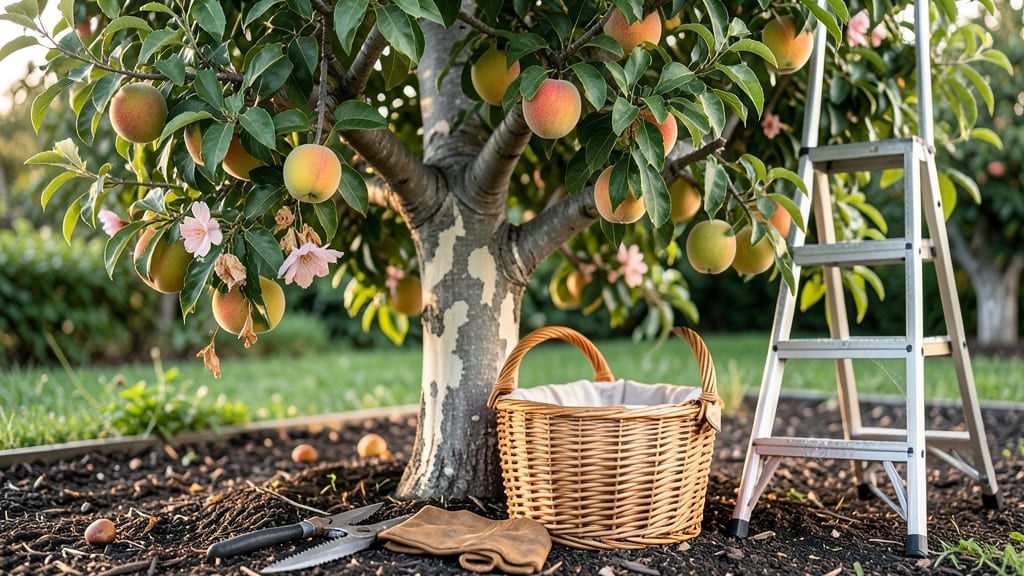
Harvesting a peach tree at the right time turns your backyard into a sweet, juicy goldmine 🍑—but miss the window, and you’re left with mealy, flavorless fruit.
That perfect bite of summer? It starts with knowing when your peaches are ready—when the skin deepens to that classic blush, the fruit gives just slightly with a gentle twist, and the scent hits you like a warm breeze.
Get this wrong, and you’ll either be picking too early (tart disappointment) or too late (rotting on the branch).
In this guide, I’ll walk you through the exact signs your peaches are ripe, the best tools to use (and why a sharp knife is a no-go), and how to handle them post-pick to keep that freshness for weeks. No more guessing—just sweet, flavorful peaches every time.
You’ll also learn how to store them properly, whether you’re planning to enjoy them fresh, freeze them for winter, or turn them into jam. Plus, I’ll cover the three biggest mistakes that ruin harvests—and how to avoid them like a pro.


When to harvest peaches for maximum juiciness and sweetness
Timing your peach harvest is an art—one that balances science with a little patience. Peaches ripen unevenly on the tree, so mastering the signs of perfect ripeness ensures you pick fruit at its peak flavor and texture.
The wrong timing? You’ll end up with mealy, underripe peaches or overly soft, mushy ones. Let’s break down the key indicators and regional cues to harvest your peach tree at its sweetest.
First, focus on the color change, which is the most obvious sign. A ripe peach will deepen to its signature hue—whether that’s yellow, orange, or red, depending on the variety. Avoid picking fruit that’s still greenish or pale, as it won’t have developed full sugars.
Pro tip: Some varieties (like Elberta) blush red on one side while staying yellow on the other—both sides should show their mature color.
Next, perform the gentle twist test. Grasp the peach firmly near the stem and give it a slight twist. If it detaches easily (without the stem snapping), it’s ready. If the fruit resists or the stem breaks off cleanly, it’s not ripe yet.
This test tells you whether the fruit’s cell structure has softened just enough for juiciness without becoming mushy.
| Ripeness Indicator | What to Look For | Action |
|---|---|---|
| Color | Deep, even hue (yellow/orange/red) | Harvest when fully colored |
| Twist Test | Fruit separates with gentle twist | Pick immediately |
| Seed Development | Seed turns fully brown | Ready for harvest |
| Aroma | Sweet, fragrant smell | Peak ripeness |
| Temperature Cues | Morning temps 75°F+ | Harvest in cooler hours |
Don’t overlook the seed test, a foolproof way to gauge ripeness. Cut a peach in half and check the seed: it should be fully brown and developed.
If it’s still white or partially brown, the fruit needs more time on the tree. This method works even if the peach’s exterior color is deceptive.
Regional timing matters too.
In USDA Zones 6-8 (where most peach trees thrive), harvest windows vary: - Early varieties (like Redhaven) ripen in late June to early July. - Mid-season (e.g., Suncrest) peak in July to early August. - Late varieties (such as Contender) are ready in August to September.
Check your local frost dates: peaches won’t ripen well after the first frost, so plan to harvest at least 2-3 weeks before the average first frost in your area.
Temperature plays a subtle but critical role. Peaches ripen faster in hotter climates (like Zone 9), where they may be ready in 60-70 days after flowering. In cooler regions (like Zone 6), they take 80-90 days.
Harvest in the early morning when temps are cooler to preserve firmness and sweetness during transport.
Avoid the temptation to harvest based on calendar dates alone. Some years, peaches ripen 2 weeks early due to warm springs, while others lag behind. Instead, combine all three tests—color, twist, and seedmealy and dry.
Pro growers also watch for fruit splitting, a sign of overripeness caused by sudden rain or irrigation. Split peaches bruise easily and spoil faster, so harvest them immediately if you spot cracks. Store these separately and use them first.
For the best flavor, aim to pick peaches when 70-80% of the fruit on the tree shows ripeness signs—this ensures you get a mix of perfectly ripe peaches without overloading your harvest at once.
Finally, handle ripe peaches with care. Place them in a single layer in a ventilated container (like a wooden crate or mesh bag) to prevent bruising. Avoid stacking or storing them near ethylene-producing fruits (like apples or bananas), which speed up spoilage.
With the right timing, your peach harvest will be bursting with summer sweetness—not a single mealy bite in sight! 🌱🍑
Step-by-step guide to picking and handling peaches for longer storage
Once your peaches reach peak ripeness, the next critical step is harvesting them properly to preserve their juicy texture and sweet flavor. A gentle touch and smart handling can extend their shelf life from days to weeks—or even months if frozen.
I’ll walk you through the best methods for picking, storing, and testing peaches to ensure they stay delicious long after harvest.
Timing and technique matter most when harvesting. Peaches are climacteric fruits, meaning they ripen after picking, but only up to a point. Overripe peaches turn mushy, while underripe ones stay hard and bland.
The key is to harvest at the right moment—when they’re fully colored, slightly soft, and release easily from the tree.
How to Harvest Peaches Like a Pro
-
Step 1: Use the Twist Method
Gently grasp the peach and twist it away from the branch until it separates naturally. Avoid cutting the stem—this shortens shelf life.
-
Step 2: Harvest in the Morning
Pick peaches early in the day when temperatures are cooler. This reduces bruising and slows the ripening process.
-
Step 3: Handle with Care
Use a soft cloth or basket to avoid damaging the skin. Never stack peaches—this causes bruising and spoilage.
-
Step 4: Test for Ripeness
Press gently—ripe peaches yield slightly but don’t feel mushy. A fully brown seed inside confirms readiness.
-
Step 5: Store Immediately
Keep peaches in a shady, cool place (50–60°F) for short-term storage. For long-term, freeze them whole or sliced.
After harvesting, peaches need proper post-harvest care to stay fresh. For short-term storage (up to 2 weeks), place them in a single layer in the fridge.
Avoid washing until ready to eat—moisture speeds up spoilage. If you notice any peaches softening too quickly, separate them immediately to prevent rot from spreading.
For longer storage, freezing is your best bet. Wash, dry, and pit peaches before freezing whole or sliced. Store in airtight containers or freezer bags for up to 12 months.
Thaw overnight in the fridge before eating to preserve texture. Frozen peaches work perfectly in smoothies, baked goods, or as a summer treat straight from the freezer.
To check if stored peaches are still good, look for firmness and aroma. A slightly soft but not mushy peach with a sweet smell is perfect.
If it’s wrinkled, moldy, or smells fermented, it’s time to compost it. With the right handling, your harvest can last well beyond the growing season!