
Vegetables
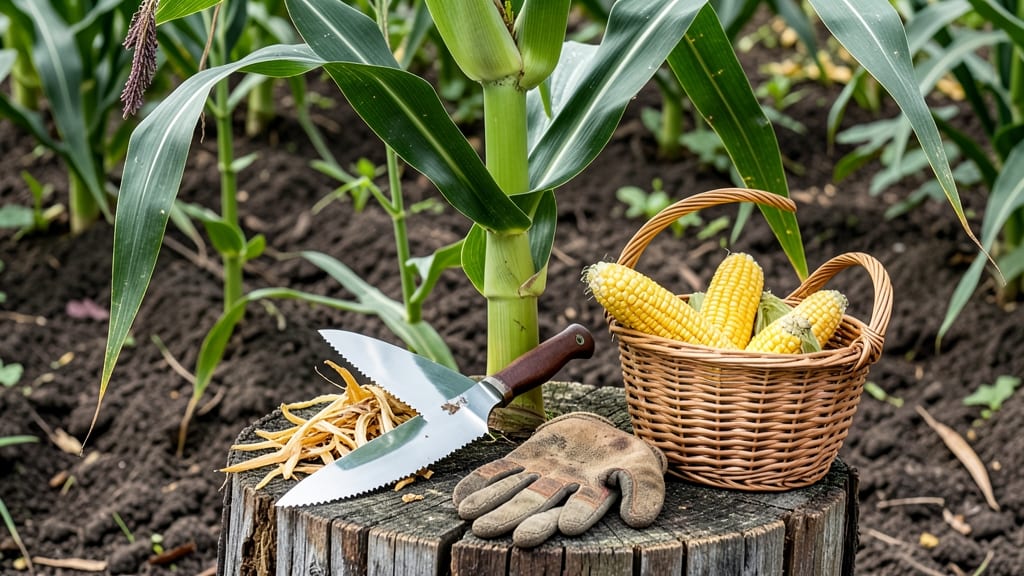
The harvest season for corn arrives when kernels reach peak sweetness and moisture—late summer to early fall in most U.S. zones, but timing varies by variety and climate.
Picture this: you pull back the husk to reveal ears with plump, milky-white kernels, silks turned crispy brown, and a satisfying snap when squeezed. That’s the moment to harvest—any later and the sugar turns to starch, leaving you with tough, dry cobs.
I’ve learned the hard way that waiting too long means wasted effort and bland meals.
But how do you know for sure? Beyond days after planting, kernel color and the moisture test are your best friends. White corn should be creamy inside, yellow varieties firm but still juicy, and bi-color ears checked ear by ear.
Regional differences matter too—southern growers may harvest weeks earlier than northern gardeners, thanks to longer growing seasons.
In this guide, I’ll walk you through the exact visual cues, moisture checks, and regional adjustments to ensure your 🌽 corn harvest delivers the sweetest, most flavorful ears possible—plus how to store them for freshness later. No more guesswork, just perfect timing.
When to harvest corn by kernel color: visual cues for perfect ripeness
Harvesting corn at the right moment ensures peak sweetness and tender texture. Kernel color is your first clue—each type (white, yellow, or bi-color) matures differently. Understanding these visual cues helps you avoid starchy, overripe ears or underdeveloped kernels.
Sunlight exposure also plays a role, as full-sun varieties may ripen faster than those in partial shade.
Most corn varieties reach harvest readiness between 60 to 100 days after planting, but kernel color shifts signal the exact moment. White corn, for example, turns creamy white when ripe, while yellow corn develops a golden hue.
Bi-color varieties show distinct color changes on the same ear. Regional climate also affects timing—warmer zones like Florida may harvest earlier than cooler zones like Minnesota.
Sunlight matters: Corn grown in full sun (6+ hours daily) matures faster than shaded plants. If your garden lacks direct sunlight, expect a 10-15 day delay in ripening. Always monitor kernel color closely, as even slight shade can slow color development.
For white corn, look for kernels that are opaque and milky-white when sliced open. If they appear translucent or watery, the corn needs more time.
Yellow corn should have bright golden kernels that resist gentle pressure—if they dent easily, harvest immediately. Bi-color varieties like 'Rainbow' or 'Black Aztec' show a mix of colors; wait until the darker hues deepen and lighter kernels turn creamy.
Sunlight intensity accelerates kernel color changes. In high-sun regions (e.g., Arizona), ears may ripen 10–14 days faster than in low-sun areas (e.g., Pacific Northwest). If your garden has partial shade, prioritize harvesting ears closest to the sunniest spots first—they’ll ripen sooner.
Always check kernel color as your primary guide, even if days-to-maturity estimates suggest readiness.
Regional variations extend beyond sunlight. In USDA Zone 5 or colder, corn often matures 2–3 weeks later due to cooler temperatures. Conversely, Zone 8–10 gardens may harvest 30 days earlier if planted in early spring.
Adjust your expectations: if your local harvest season starts in late August, but your corn planted in May shows ripe kernels by mid-July, you’re likely in a warmer zone.
Don’t rely solely on kernel color—combine it with the silk test. When silks turn brown and crispy, it’s a secondary cue that kernels are nearing peak ripeness.
However, overripe corn (silks fully dried and fallen off) becomes starchy and tough. Harvest 1–2 days before silks completely dry to catch the sweetest moment.
Pro tip: Harvest in the morning when kernels are coolest and most hydrated. Use a sharp knife to cut ears 1 inch below the cob, leaving the husk intact.
This preserves moisture and sweetness. If you’re unsure, pierce a kernel with your fingernail—milky liquid means it’s ready; clear liquid means it’s past prime.
Store harvested corn in the fridge for up to 5 days or freeze it immediately for long-term use. Overripe corn won’t improve—its sweetness fades within 24 hours of harvest.
By mastering kernel color cues and adjusting for your local climate, you’ll enjoy homegrown corn at its peak every season. 🌽
The moisture test for corn: how to check kernel tenderness before harvesting
Harvesting corn at the right moment ensures sweet, juicy kernels packed with flavor. The moisture test is one of the most reliable ways to determine kernel tenderness. Unlike relying solely on kernel color, this method gives you precise feedback about the internal moisture levels that define perfect ripeness.
When corn reaches the milk stage, its kernels are at their sweetest and most tender. This stage is marked by a creamy white liquid inside the kernels when pierced.
If you wait too long, the kernels will transition to the dough stage, becoming starchy and less flavorful, and eventually the dent stage, where they’re dry and tough.
⚠️ Harvest Season for Corn: Timing is Critical!
Corn matures quickly—just 2-3 days past peak ripeness can turn sweet kernels into dry, starchy ones. Harvest in late summer to early fall (August-October in most zones) when silks turn brown and kernels pass the moisture test. Late varieties may extend into October, but first frost ruins ears, so prioritize timing over quantity.
To perform the squeeze test, gently press a kernel between your thumb and forefinger. If it releases a milky liquid, it’s ready to harvest. For yellow corn varieties, the liquid will appear slightly yellowish, but the consistency remains the same.
This test works best in the morning when moisture levels are stable.
The ideal moisture percentage for harvest-ready corn kernels is between 65% and 75%. Below 65%, kernels become dry and mealy, while above 75%, they risk being too watery and prone to spoilage. Use a food thermometer for accuracy: kernels should read 100°F (38°C) internally when fully ripe.
If your corn feels premature (kernels too soft or watery), wait 1-2 days and retest. Overripe corn will have dent-shaped kernels and a hard, dry texture. To troubleshoot, check your watering schedule—consistent moisture is key during the final growth stages. Avoid overwatering, which can dilute flavor and delay ripening.
Once you’ve confirmed the perfect milky stage, harvest your corn by twisting the ear gently from the stalk. Use sharp pruning shears for cleaner cuts if needed. Store harvested ears in the refrigerator for up to a week or freeze them for long-term preservation.
This method ensures you enjoy corn at its peak tenderness and sweetness.