
Planting
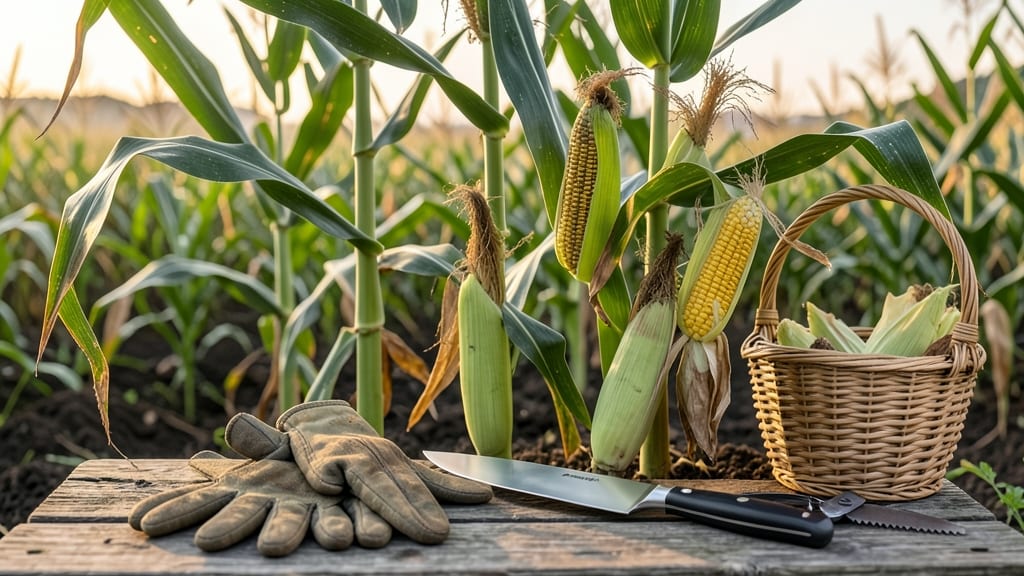
Harvesting corn from seed takes about 90 days to reach peak sweetness, but timing it right means the difference between plump ears and tough stalks.
Picture this: you’ve spent weeks nurturing your 🌽 corn, and now the clock is ticking. Plant too early, and frost steals your harvest; too late, and the kernels turn starchy before you can pick them.
The 90-day window is your golden ticket to sweet, juicy ears—but only if you know the signs.
From seed to silks to that perfect milky kernel, every stage matters. I’ll walk you through the exact timeline, how to adjust for your climate, and the telltale cues that scream “harvest me now!”
Ready to turn your garden into a cornucopia? Let’s break down the step-by-step growth cycle so you never miss peak season again.

Corn growth stages from seed to harvest: 90-Day timeline breakdown
Growing corn from seed to harvest is a 90-day journey filled with distinct stages, each requiring specific care. Understanding these milestones helps you predict harvest dates and troubleshoot delays.
Whether you're planting early-season varieties like Silver Queen or late-season types such as Black Mexican Sweet, the timeline remains similar—just the pace may vary slightly.
From the moment you drop seeds into warm soil, your corn plants will undergo six key growth phases: germination, seedling, vegetative, tasseling, silking, and kernel development. Each phase lasts roughly 10-20 days, but environmental factors like temperature, sunlight, and water can shift this timeline.
Let’s break down each stage week by week to help you plan for a successful harvest.
| Stage | Key Milestones | Days After Planting | Care Tips |
|---|---|---|---|
| Germination | Seeds sprout; first leaves appear | 7–14 days | Keep soil moist; avoid overwatering |
| Seedling | Plants reach 4–6 inches; true leaves form | 14–21 days | Thin seedlings to 4–6 inches apart |
| Vegetative | Rapid stem growth; leaves unfurl | 21–45 days | Fertilize with balanced 10-10-10 |
| Tasseling | Male flowers (tassels) emerge; pollen forms | 45–60 days | Ensure cross-pollination; avoid wind disruption |
| Silking | Female silks appear; kernels begin forming | 60–75 days | Water consistently; monitor silk health |
| Kernel Development | Ears swell; kernels turn milky-white | 75–90 days | Harvest when silks dry and kernels dent |
During the germination phase (days 7–14), your seeds need consistent moisture to break dormancy. Plant them 1–1.5 inches deep in soil warmed to at least 60°F (15°C). If your soil is cooler, consider using a seedling heat mat or waiting until late spring.
Once sprouts emerge, thin seedlings to 4–6 inches apart to prevent competition for nutrients.
The seedling stage (days 14–21) marks the transition from fragile sprouts to sturdy plants. This is when you’ll notice the first true leaves (not the initial seed leaves) unfurl.
If seedlings look leggy or pale, they’re likely not getting enough sunlight. At this point, you can also start side-dressing with compost to boost root development.
By day 21–45 (vegetative stage), your corn plants will shoot up rapidly, reaching heights of 3–5 feet. This is the phase where they develop their leaf structure, which determines how many ears they’ll produce.
Apply a balanced fertilizer (10-10-10) now to support this growth spurt. Avoid over-fertilizing with nitrogen, as it can lead to excessive leaf growth at the expense of ear development.
The tasseling stage (days 45–60) is when male flowers emerge from the top of the plant as tassels. These tassels release pollen, which must reach the silks (female flowers) at the base of the plant for fertilization.
If you notice poor pollination, such as sparse or empty ears, it could be due to hot, dry weather or lack of wind to spread pollen. Hand-pollinating with a brush can help in extreme cases.
Silking (days 60–75) is one of the most critical stages, as it signals the start of ear formation. The silks (long, thread-like strands) will emerge from the husks at the base of the plant.
If silks appear dry or brittle, your plants may be water-stressed. Aim to provide 1–2 inches of water per week during this phase to ensure kernels develop properly.
Finally, the
How to Calculate your local corn harvest date based on planting time
Corn’s 90-day growth cycle is the starting point, but your local climate and corn variety can shift that timeline dramatically. If you plant early-season varieties in a cool zone, you might harvest in just 60 days, while late-season sweet corn could take 120 days or more.
The key is adjusting for your last frost date and choosing the right variety to match your growing season.
Start by checking your USDA hardiness zone and average last frost date. For example, in Zone 5, frost typically arrives by mid-October, leaving only 120 frost-free days for corn.
In Zone 8, you might have 240 days—plenty of time for late-season varieties. Your goal? Plant early enough to avoid frost but late enough to maximize yield.
- 1 Determine your frost-free days: Subtract your average last frost date from your first frost date. Example: Zone 6 (last frost April 15, first frost October 15) = 180 days.
- 2 Choose your corn variety: Early-season (60–75 days), mid-season (75–90 days), or late-season (90–120 days). For 180 frost-free days, mid-season works best.
- 3 Calculate planting window: Subtract the variety’s days to maturity from your frost-free days. Example: 180 days – 90 days (mid-season) = 90 days before first frost. Plant by July 15 for a September–October harvest.
- 4 Adjust for soil warmth: Corn needs soil temps of 60°F+ to germinate. In cooler zones, wait until May 1 or later. Use a soil thermometer to confirm.
- 5 Plan for succession planting: If your season is long, plant early and late batches (e.g., May 1 and June 15) to stretch your harvest. Space varieties 2–3 weeks apart for continuous ears.
Don’t forget to account for weather variability. A late spring frost or early heatwave can throw off your timeline. If you’re in a shorter growing season, opt for bush corn varieties or fast-maturing hybrids like ‘Silver Queen’ (70 days) or ‘Ambrosia’ (85 days).
These thrive in cooler temperatures and deliver sweet ears sooner.
Pro tip: Use a garden journal to track your corn’s progress year after year. Note when you planted, the variety, and the actual harvest date. Over time, you’ll refine your planting schedule to match your microclimate.
For example, my Zone 7 garden consistently yields the best ears when I plant ‘Peaches and Cream’ on May 10—right after the soil warms to 65°F.
Finally, if you’re pushing the limits of your growing season, consider row covers or black plastic mulch to extend warmth. These tricks can add 2–4 extra weeks to your harvest window, making all the difference in cooler climates.
With the right math and a little flexibility, you’ll turn that 90-day rule into a foolproof harvest plan tailored to your garden. 🌽