
Picking
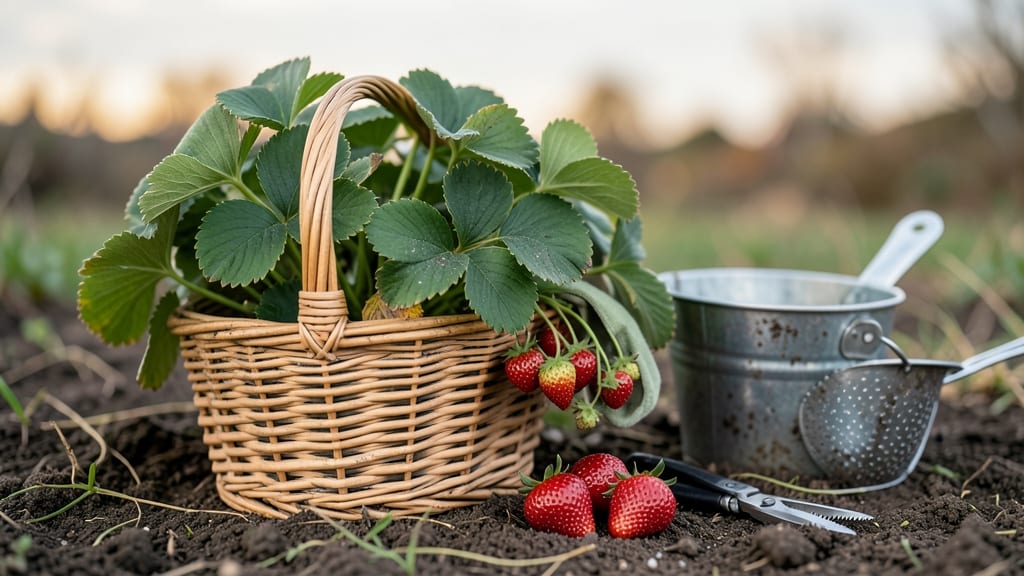
Knowing the harvest time for strawberries turns a handful of berries into a bountiful, flavor-packed reward—if you time it right.
Strawberries don’t just ripen—they burst with flavor when picked at the perfect moment, and timing is everything for gardeners who want juicy, sweet berries instead of mealy disappointments.
Whether you’re growing June-bearing varieties in Zone 6a or everbearing types that stretch your harvest into fall, the key lies in color, texture, and even the way the berries release from the plant.
Below, I’ll show you how to spot ripe strawberries, adjust for your climate, and harvest them so they stay fresh for days—no more guessing, just peak-season perfection.

How to determine the exact strawberry harvest time by color and texture
Picking strawberries at the perfect ripeness transforms your garden into a treasure trove of sweet, juicy berries. Unlike many fruits, strawberries don’t ripen further after picking, so timing is critical.
The color and texture of your berries are your best indicators for harvest time, but temperature and variety also play key roles in determining when to pluck them.
Most gardeners focus on color changes as the primary sign, but don’t overlook the tactile clues like firmness and how easily the berry detaches. A strawberry that’s fully red (or the correct color for your variety) but still hard likely needs more time on the vine.
Meanwhile, a berry that’s soft and pulls away with minimal effort is ready to enjoy—just don’t wait too long, or it may become overripe and mushy.
Temperature fluctuations can also shift your harvest window. Cooler weather slows ripening, while hot spells accelerate it. If your strawberries are maturing faster than expected, you might need to harvest more frequently to avoid spoilage. Pay close attention to these cues to ensure you’re picking berries at their peak flavor and texture.
| Ripeness Indicator | Description | Harvest Action |
|---|---|---|
| Color | Fully red (or variety-specific color like yellow or white) | Ready to pick |
| Partial Color | Green or pale with patches of color | Wait 2-3 days |
| Texture | Firm but yields slightly when gently squeezed | Harvest immediately |
| Hard Texture | Rock-hard or unyielding to touch | Wait 1-2 more days |
| Cap Detachment | Pulls away easily with a slight twist | Perfect harvest time |
| Base Leaves | Yellowing or dying back | Harvest soon |
For June-bearing varieties, the harvest window is tight—often just a few weeks—so stay vigilant.
These strawberries ripen all at once, meaning you’ll need to pick them every 1-2 days to avoid a glut of overripe berries. Everbearing and day-neutral varieties, on the other hand, produce fruit in waves throughout the season, giving you more flexibility with harvest timing.
If you’re growing white or yellow strawberries, the color cues are slightly different. These varieties may appear fully ripe when they’re pale yellow or creamy white, rather than red. Always rely on the tactile test—a gentle squeeze should tell you whether the berry is ready.
Overripe strawberries become mushy and develop a fermented smell, so don’t let them linger on the plant.
Another pro tip: Harvest strawberries in the morning when temperatures are cooler. This helps preserve their flavor and texture, making them last longer once picked. Avoid harvesting after rain, as wet berries are more prone to rot and can spread disease to other fruits on the plant.
Temperature also affects how quickly strawberries ripen. In hot climates (Zones 8-10), strawberries may mature faster, requiring more frequent checks. In cooler zones (Zones 3-6), ripening slows down, and you might need to wait longer between harvests.
Always adjust your picking schedule based on your local climate and the specific variety you’re growing.
One common mistake is picking strawberries based solely on size. A large berry isn’t necessarily ripe—it could just be overwatered or overfed. Focus instead on the color uniformity and texture.
A ripe strawberry should be plump, glossy, and fragrant, with a sweet aroma that’s irresistible. If your berries lack these qualities, they’re not ready yet.
Finally, don’t forget to inspect the underside of the berry. If the cap (the green leafy part) is still firmly attached, the strawberry likely needs more time. However, if it detaches easily with a slight twist, you’ve hit the sweet spot for harvest time.
This simple trick saves you from picking berries too early or too late.
With these visual and tactile cues, you’ll never miss the perfect harvest window again. Your strawberries will thank you with bursts of sweetness that make every bite worth the wait. Happy harvesting! 🍓
Best practices for strawberry harvesting to maximize yield and flavor
Harvesting strawberries at the right moment transforms a good crop into an exceptional one. The difference between juicy perfection and mealy mush often comes down to technique—how you pick, when you pick, and how you handle them afterward.
I’ve learned the hard way that overripe berries left on the vine or underripe ones plucked too soon both lead to wasted flavor. Mastering these harvesting best practices ensures your strawberries stay vibrant, sweet, and ready for jam, shortcakes, or fresh snacking.
⚠️ Critical Mistake Alert!
Never harvest strawberries when they’re damp or wet—this speeds up spoilage and invites fungal diseases. Always pick on dry mornings after dew has evaporated, ideally between 7 AM and 10 AM.
Also, avoid twisting berries off the plant—this can damage the fruit stem and shorten shelf life. Instead, use a gentle pinch-and-pull motion.
Start harvesting when 25-30% of your strawberries are ripe, not when the first few appear. This stimulates continuous production in everbearing varieties, extending your harvest by weeks. For June-bearing types, focus on peak ripeness during their 2-3 week harvest window.
Use a clean harvesting container—preferably a shallow basket or clamshell—to prevent bruising. Place a soft towel or paper towel in the bottom to cushion berries. Harvest into single layers; stacking can crush the bottom fruit and release enzymes that turn them gray and mushy.
Store freshly picked strawberries in the fridge’s crisper drawer (not the door) for up to 5 days. For longer storage, freeze them whole on a tray first, then transfer to a bag. Don’t wash before storing—moisture accelerates spoilage. Instead, rinse just before eating or using in recipes.
If your strawberries start turning gray or moldy within 24 hours, you’re likely dealing with overcrowded storage or ethylene gas buildup (a natural fruit ripening hormone). To fix this, remove damaged berries immediately and reorganize storage with good airflow.
With these harvesting techniques, you’ll turn every strawberry into a flavor-packed victory. The key is patience and precision—pick at the right time, handle them gently, and store them smartly. Your taste buds (and your jam jars) will thank you!