
How To
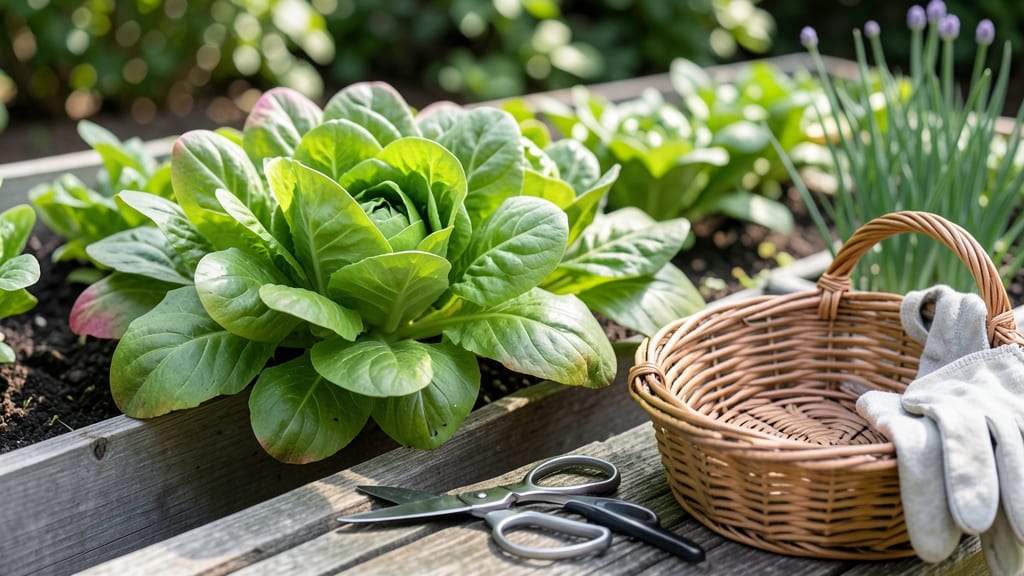
To harvest Bibb lettuce at its crispest and most flavorful, focus on leaf size, color, and texture—these are the key signs your homegrown 🥬 is ready for the table.
Picture this: you’ve nurtured your Bibb lettuce for weeks, and now it’s time to enjoy the fruits of your labor. But harvesting too early means underdeveloped flavor, while waiting too long turns those tender leaves into bitter, tough stalks.
The difference between a perfect salad and a disappointment comes down to timing and technique.
Most gardeners wait until the outer leaves reach 4-6 inches in length, with a deep, vibrant green hue and a firm yet tender feel. If you pull a leaf and it snaps easily without tearing, that’s your cue—it’s ready to be picked.
Cutting at the right moment ensures your Bibb lettuce stays crisp and delicious while giving your plants room to regrow.
In this guide, I’ll walk you through the exact steps to harvest your Bibb lettuce the right way, including how to avoid common mistakes like cutting too close to the base or harvesting during the hottest part of the day.
You’ll also learn how to store your freshly picked leaves to keep them fresh for as long as possible—so you can enjoy that homegrown goodness in salads, sandwiches, or wraps all season long.
When to harvest Bibb lettuce for maximum freshness and flavor
Timing your Bibb lettuce harvest correctly transforms your garden into a flavor factory. Unlike other leafy greens, Bibb lettuce demands precision—harvest too early, and you waste potential; too late, and you risk bitter, tough leaves or even bolting.
The key lies in watching for three critical visual cues: leaf size, color intensity, and texture. When these align, you’ve hit the sweet spot for flavor and texture.
Most gardeners make the mistake of waiting until the entire head is fully mature. But Bibb lettuce thrives when harvested gradually, starting with the outer leaves first. This method preserves the plant’s energy, encourages regrowth, and extends your harvest window by 2-3 weeks.
I’ve found that harvesting outer leaves every 3-5 days keeps the center tender while preventing over-maturity.
Here’s the golden rule: Aim to harvest when leaves reach 4-6 inches in length. At this stage, they’ll be dark green, crisp, and firm—not floppy or pale. Smaller leaves (under 3 inches) are still tender but lack the bold flavor Bibb lettuce is famous for.
Waiting too long risks woody texture and bitterness, especially in hot weather.
Color is your best friend when harvesting Bibb lettuce. Look for deep, vibrant green leaves—a sign of peak nutrition. Pale or yellowing leaves mean the plant is stressed, often from over-maturity or heat stress.
In cooler climates, you might see reddish tinges near the edges, which is normal and adds sweetness. But if the entire leaf turns yellow or brown, it’s past its prime.
Seasonal timing also plays a role. In spring and fall, Bibb lettuce matures faster due to cooler temperatures. I’ve harvested mine in as few as 30 days during mild springs, while summer heat can stretch the timeline to 60 days.
To combat summer bolting (when lettuce sends up a flower stalk), I use shade cloth and harvest aggressively to keep plants productive.
Texture is the final clue. Ready-to-harvest leaves should feel firm but yield slightly when gently squeezed—like a crisp apple. If they feel spongy or mushy, they’re overwatered or diseased. On the flip side, leaves that tear easily are under-mature. The perfect texture ensures a satisfying crunch in every bite.
🌱
| Harvest Indicator | Ideal Condition | What to Avoid |
|---|---|---|
| Leaf Size | 4-6 inches long | Smaller than 3 inches (under-mature) or larger than 7 inches (woody) |
| Color | Deep green, vibrant | Pale yellow or brown (over-mature or stressed) |
| Texture | Crisp, firm, slightly yielding | Mushy (overwatered) or brittle (drought-stressed) |
| Growth Stage | Outer leaves fully formed | Bolting (flower stalk visible) or hollow core |
| Seasonal Timing | Spring/Fall: 30-45 days; Summer: 45-60 days | Waiting past 60 days (risk of bitterness) |
One common mistake I see is cutting the entire head at once. This removes the plant’s growing point, ending production. Instead, use sharp scissors or a knife to snip outer leaves just above a leaf node (the small bump where new leaves emerge).
This encourages the plant to keep growing, giving you continuous harvests for weeks.
For full-head harvesting, wait until the entire head is mature but still tender. Gently twist the head at the base or use clean shears to cut 1 inch above the soil line.
Leave the outer leaves behind to protect the plant’s center. This method works best when you’re ready to enjoy a large salad or cook a full head.
Heat is your biggest enemy when growing Bibb lettuce. Temperatures above 80°F (27°C) trigger bolting, turning sweet leaves bitter. To extend your harvest season, I’ve had success with succession planting: sow new seeds every 2 weeks in spring and fall.
This ensures a steady supply of crisp, flavorful lettuce without the risk of bolting.
Finally, resist the urge to harvest in the afternoon heat. Leaves wilt faster when temperatures rise, so always harvest in the early morning when leaves are cool and hydrated.
Store harvested leaves in a plastic bag with a paper towel in the fridge to maintain crispness for up to 5-7 days. With these tips, you’ll enjoy homegrown Bibb lettuce at its peak all season long. ✂️
Step-by-step Bibb lettuce harvesting techniques to preserve quality
Harvesting Bibb lettuce at the right time transforms your garden into a crisp, flavorful feast—but improper techniques can turn tender leaves into wilted disappointment. The key lies in gentle handling and strategic cutting to preserve quality while encouraging future growth.
Whether you're harvesting whole heads or practicing cut-and-come-again methods, these steps ensure your lettuce stays fresh and productive.
Start by gathering your tools: a sharp chef’s knife or clean pruning shears for clean cuts, a large bowl for collected leaves, and a spray bottle for misting if needed. Work in the early morning when leaves are hydrated and crispest, avoiding the midday heat that can cause wilting.
Always wash your hands and tools beforehand to prevent contamination of your delicate greens.
- 🌱 Choose the Right Leaves: Select outer leaves first for cut-and-come-again harvesting, or the entire head if harvesting fully mature lettuce. Avoid cutting into the inner core to encourage regrowth.
- ✂️ Use Clean Cuts: Hold the lettuce base firmly and cut 1-2 inches above the soil line at a 45-degree angle for whole heads. For individual leaves, snip just above the leaf stem with a sharp tool.
- 💧 Handle with Care: Gently twist or pull leaves to avoid tearing. Place harvested leaves in a shaded, cool area immediately to prevent wilting. Mist lightly if leaves appear dry.
- 🌿 Encourage Regrowth: After harvesting outer leaves, water the remaining plant thoroughly and keep soil consistently moist. Inner leaves will continue growing if the plant isn’t over-matured.
- 🧼 Clean and Store: Rinse leaves in cool water and pat dry with a clean towel. Store in a perforated plastic bag with a paper towel to absorb moisture, or use for immediate cooking.
For whole-head harvesting, wait until the lettuce reaches 4-6 inches in diameter with fully formed, vibrant leaves. Twist the head gently at the base to lift it cleanly, or use shears to cut just above the soil.
This method is ideal for late-season harvests when you want to enjoy the full head at once. Avoid pulling leaves by their stems, as this can damage the plant.
If practicing cut-and-come-again harvesting, focus on removing outer leaves every 2-3 weeks. This method extends your harvest season by 4-6 weeks and keeps your lettuce productive. Always leave at least 3-4 inner leaves to ensure the plant can regrow.
Monitor for signs of bolting (tall stems with yellow flowers), which indicates the lettuce is past its prime.
After harvesting, store your Bibb lettuce in the crisper drawer of your refrigerator for up to 7-10 days. For longer storage, wrap leaves in a damp paper towel and place them in a sealed container.
Avoid washing until ready to use, as excess moisture speeds up spoilage. With these techniques, you’ll enjoy a steady supply of crisp, tender lettuce all season long.
Pro tip: If your lettuce starts to bolt prematurely, harvest the leaves immediately and replant seeds for a fall crop. Bibb lettuce thrives in cool weather, so timing your harvests around spring and fall ensures the best flavor and texture.