
How To
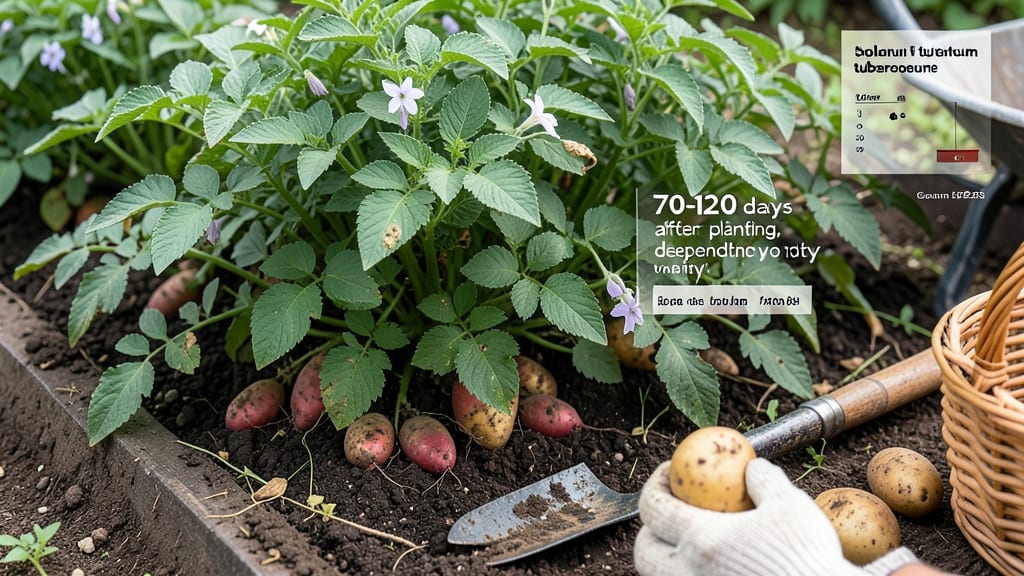
Harvesting potatoes takes between 70 and 120 days after planting, depending on the variety and growing conditions—so timing is everything if you want that first homegrown bite.
Picture this: you’ve spent weeks nurturing your 🥔 plants, and now you’re staring at those yellowing leaves, wondering if it’s finally time to dig. But how do you know for sure? And what happens if you wait too long—or pull them too soon?
In this guide, I’ll break down the exact 90-day timeline for most varieties, the telltale signs your potatoes are ready, and how to adjust for early or late harvests based on your climate.
You’ll also learn how to handle them post-harvest so they stay fresh longer—no more shriveled, green-tinged spuds ruining your plans for mashed potatoes or crispy fries.
Potato harvest timeline: days to maturity by variety and growing conditions
If you're planning your potato garden, knowing the exact days to harvest potatoes is crucial for timing your planting and avoiding disappointment.
Most varieties reach maturity between 70 to 120 days, but the exact timeline depends on whether you're growing new potatoes (small, tender tubers) or mature potatoes (fully developed).
Early varieties like Red Pontiac can be ready in as few as 60 days, while late varieties like Russet Burbank may take up to 120 days.
The 90-day benchmark is a great starting point for most gardeners in moderate climates, but factors like soil temperature, daylight hours, and planting depth can shift your harvest window by weeks.
For example, cooler climates may extend maturity by 10-20 days, while warmer regions can speed up growth. Let’s break down the key factors that influence your potato harvest timeline so you can plan with confidence.
🌱
Your planting depth plays a surprising role in harvest timing. Planting seed potatoes too shallow (less than 4 inches) can expose tubers to light, turning them green and bitter, while planting too deep (over 6 inches) may delay maturity by 10-15 days as the plant struggles to reach the surface.
Aim for a 4-6 inch depth in loose, well-draining soil to balance speed and yield. I’ve found that hilling soil (piling dirt around stems) every 2-3 weeks also encourages faster tuber development by protecting new growth from light.
Climate is another game-changer. In cooler regions (USDA Zones 3-5), potatoes often mature 2-3 weeks later than in warmer zones (Zones 7-10).
For example, if you plant Yukon Gold in Zone 5 on April 15, expect harvests around July 15-20, while the same variety in Zone 9 might be ready by June 20-25.
To compensate, I recommend starting seeds indoors in cooler climates or choosing early-maturing varieties like Red Pontiac.
Soil conditions also impact your harvest timeline. Well-draining soil with a pH of 5.0-6.5 ensures tubers develop evenly, while clay-heavy or waterlogged soil can stunt growth and extend maturity by up to 30 days.
Amending your soil with compost or sand before planting can make a noticeable difference. I’ve seen sandy loam speed up harvests by 1-2 weeks compared to native clay soil in my garden.
Don’t forget that new potatoes (harvested early) and mature potatoes (harvested at full size) follow different timelines. If you’re growing new potato varieties like Rocket, you can dig small tubers as early as 40-50 days, while mature varieties need the full 90-120 days.
For a continuous harvest, I plant a mix of early, mid, and late varieties—this way, I get new potatoes in June, mid-season harvests in July-August, and storage potatoes in September-October.
One pro tip I’ve learned is to plant in stages if you want a prolonged harvest. By spacing out plantings every 2-3 weeks, you can enjoy fresh potatoes for 6-8 weeks instead of a single harvest.
This works especially well for mid-season varieties like Kennebec, which can be staggered to avoid overwhelming your storage space. Just
How to tell when potatoes are ready to harvest: 5 key signs
If you’ve been eagerly watching your potato plants grow, you might be wondering how to know when they’re finally ready to harvest. The good news is that potatoes give you clear signals—you just need to know what to look for.
Unlike many vegetables, potatoes don’t ripen on the vine, so timing is everything to avoid underdeveloped tubers or over-matured, shriveled spuds.
Most gardeners harvest potatoes between 70 and 120 days after planting, but the exact moment depends on the variety and growing conditions.
For example, new potato varieties like ‘Red Pontiac’ can be ready in as little as 50 days, while storage potatoes like ‘Russet Burbank’ need the full 100-120 days to reach their prime.
When 75% of the foliage turns yellow and dies back naturally, it’s a strong sign. This happens when the plant redirects energy to the tubers.
If your potatoes bloom, wait 2-3 weeks after flowers fade before harvesting. This ensures tubers are fully formed.
Dig up a few potatoes to check: they should be golf-ball sized or larger, with firm, rough skin. If they’re still small and tender, wait 1-2 weeks.
When the soil is dry and warm, it’s easier to harvest without damaging tubers. Avoid digging after heavy rain, which can make soil too muddy.
Gently dig around the base of the plant with a fork. If you find 3+ potatoes per plant that are well-sized, it’s time to harvest!
One common mistake is waiting until the entire plant is dead—by then, your potatoes may have shriveled or developed green, toxic skin from exposure to light. Instead, harvest when the foliage is mostly yellow but still slightly green at the base.
This ensures you get firm, flavorful tubers ready for storage or immediate cooking.
Pro tip: If you’re growing new potatoes, you can harvest them earlier—around 50-60 days—when they’re small (about the size of a marble). These tender spuds are perfect for salads or quick dishes.
Just be sure to replace the soil after your first harvest to encourage more tubers to form.
Remember, potatoes don’t improve after harvest, so timing is critical. Once you’ve dug them up, cure them in a cool, dark place (around 50-55°F) for a week to toughen their skins. This step is especially important if you plan to store them for several months.