
How To
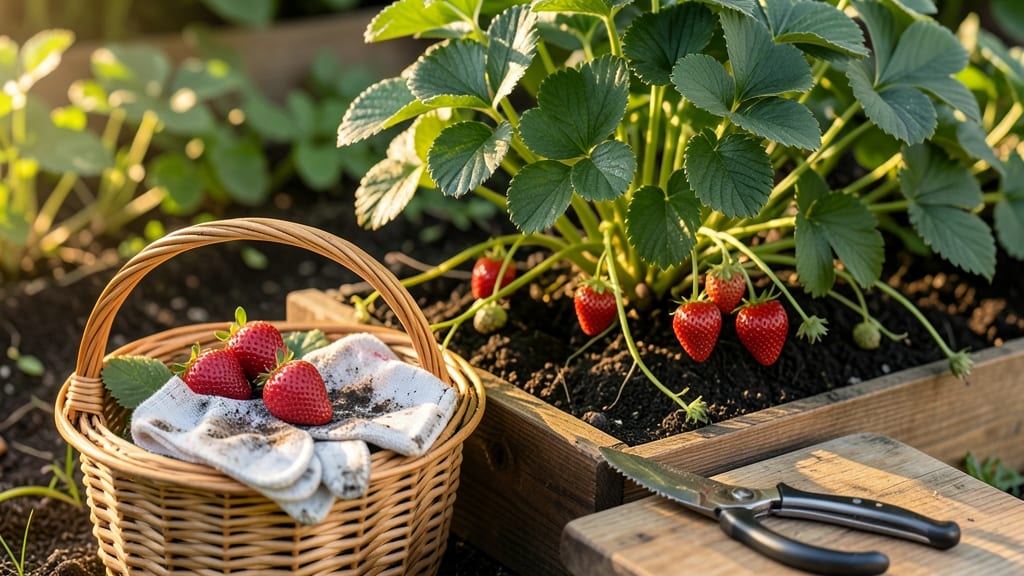
Harvesting strawberries takes between 60 and 120 days from planting, but the sweetest flavor arrives when you time it right—usually 70 to 90 days for most varieties in zone 6a.
Watching strawberries ripen from tiny green buds to juicy red perfection is one of gardening’s greatest rewards—but timing is everything. Get the harvest window wrong, and you’ll miss sweet, flavorful berries or risk wasting fruit that falls to the ground.
Some varieties, like June-bearing types, deliver a 3- to 4-week harvest window, while everbearing and day-neutral plants reward you with multiple flushes throughout the season. Climate, soil, and care all shift these timelines, so knowing the signs of readiness is key.
Below, I break down the exact days to expect fruit, how to spot perfectly ripe 🍓, and the simple tricks to stretch your harvest by 5 to 7 days—so you can enjoy berries from June through August.
Strawberry variety harvest times: from June-bearing to everbearing to day-neutral
Understanding strawberry harvest times depends entirely on the variety type you grow. Whether you're planting June-bearing favorites like Chandler or everbearing varieties such as Ozark Beauty, each category has distinct harvest windows that can shift by 2-4 weeks based on your USDA climate zone.
Let's break down exactly when to expect those first ripe berries—and how to maximize your harvest duration.
The June-bearing varieties deliver the most dramatic harvests in a 3-4 week window, while everbearing plants reward you with 2-3 harvests per year. Meanwhile, day-neutral strawberries provide continuous production from spring through fall.
Your local climate plays a major role—gardeners in Zone 5 may see harvests 2-3 weeks later than those in Zone 8.
Here’s how to plan for peak strawberry harvests based on variety type, with timeline adjustments for different growing regions:
| Variety Type | Popular Varieties | Harvest Window | Zone 5 Adjustment | Zone 8 Adjustment |
|---|---|---|---|---|
| June-Bearing | Chandler, Jewel, Allstar | 3-4 weeks (late spring) | 2-3 weeks later | 2 weeks earlier |
| Everbearing | Ozark Beauty, Seascape, Tristar | 2-3 harvests (spring, summer, fall) | 1-2 weeks later per harvest | 1 week earlier per harvest |
| Day-Neutral | Albionel, Seascape, Fort Laramie | Continuous (spring-fall) | 1-2 weeks delay in spring | Extended fall harvest |
| June-Bearing (Earlies) | Honeoye, Sparkle | 2-3 weeks (early June) | 3 weeks later | 1 week earlier |
| Everbearing (Cold-Hardy) | Mara des Bois, Quinault | Spring + fall (2 harvests) | Spring harvest delayed | Extended fall production |
If you planted June-bearing strawberries like Chandler or Jewel, expect your first harvest around late May to early June in Zone 7. These varieties produce 80% of their fruit in this 3-4 week window, so be ready to harvest every 2-3 days to avoid overripe berries.
In cooler climates (Zone 5), this window shifts to late June.
For everbearing varieties such as Ozark Beauty or Seascape, you’ll enjoy three distinct harvests: a spring flush, a summer crop, and a fall bounty. The first harvest typically arrives 4-6 weeks after planting, with subsequent harvests spaced 6-8 weeks apart.
In warmer zones (Zone 8+), everbearing plants may produce through October.
Day-neutral strawberries like Albionel or Fort Laramie are the continuous producers of the group, delivering fruit from late spring until frost. These varieties respond to day length rather than seasonal cues, making them ideal for container gardening or greenhouse setups. In Zone 6, you can expect harvests from May through September.
Your local climate zone directly impacts these timelines. For example, June-bearing varieties in
Signs your strawberries are ready to harvest (and when to wait)
Knowing when to harvest strawberries isn’t just about waiting for red color—it’s about catching that perfect balance of sugar, texture, and flavor. Most varieties reach peak ripeness 70 to 90 days after planting, but visual and tactile cues are your best guides.
Ignore these signs, and you might pick berries that are too tart, too firm, or prone to spoiling.
Start by checking the color. Fully ripe strawberries should be a deep, even red (or white/yellow for varieties like Pineberry), with no green patches at all. A lingering hint of green means the fruit needs more time to develop its natural sweetness.
Meanwhile, overripe berries may appear dull or start to shrink slightly.
Next, give the berry a gentle squeeze—it should yield just a tiny bit under pressure, like a ripe peach. If it feels rock-hard, it’s not ready; if it’s mushy or leaking juice, you’ve missed the window.
Another pro tip: ripe strawberries often detach easily from the plant when you twist them gently.
One of the biggest mistakes gardeners make is harvesting strawberries too early for sugar development. If you pick them when they’re still firm and pale, they’ll lack that juicy, sweet burst you crave.
Instead, wait until the entire berry is uniformly colored and smells faintly sweet—this usually happens 1-2 days after the color change.
To extend your harvest window by 5 to 7 days, try this trick: pick berries every 2-3 days instead of waiting for them all to ripen at once.
This encourages the plant to produce more fruit, and you’ll avoid losing berries to birds or rot. Plus, morning harvests always taste better because the acidity mellows overnight.
Finally, don’t overlook the size benchmark. Ripe strawberries should be at least 1 inch in diameter—smaller ones often lack flavor. If your berries are staying tiny, check your fertilizer schedule or sunlight exposure, as these can delay ripening.
With these cues in mind, you’ll never miss a perfectly sweet strawberry again! 🍓