
How To
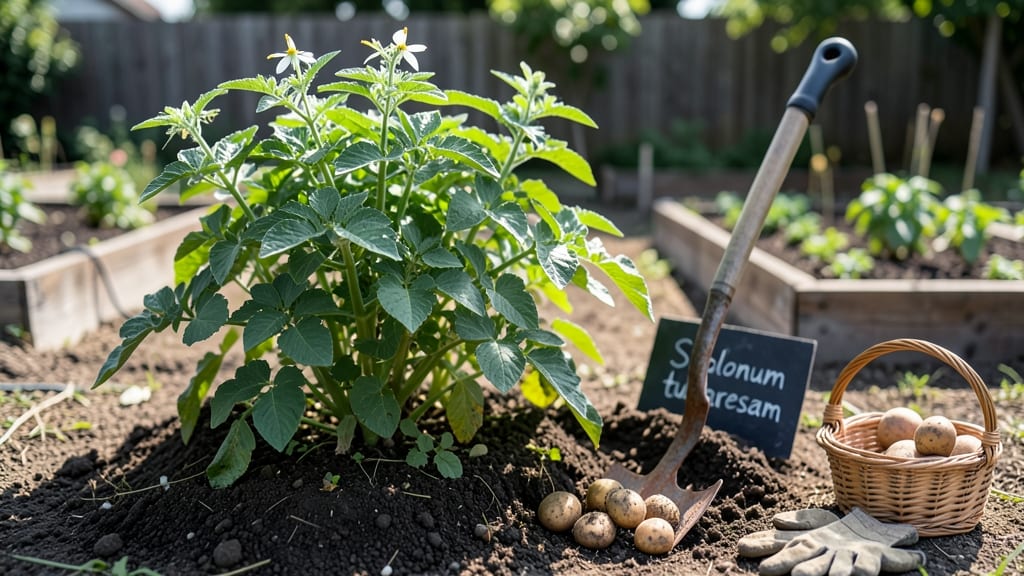
Harvesting potatoes takes how long till harvest anywhere from 60 to 120 days after planting, depending on the variety and growing conditions you’re working with 🥔 — but timing it right is the difference between dinner-table stars and sad, mealy tubers.
Picture this: you’ve spent weeks nurturing your crop, only to dig up potatoes that are still too small or worse, already sprouting. That’s why knowing when to harvest isn’t just about counting days—it’s about reading the soil, the leaves, and even the weather.
In this guide, we’ll break down how long each potato type needs, the foolproof tests to check readiness (no guesswork!), and what happens if you get it wrong.
Whether you’re growing early varieties for a quick harvest or late-season potatoes for storage, you’ll learn exactly when to pull them for perfect results.
Ready to turn your patience into a bountiful harvest? Let’s get into the details—so you can dig up potatoes at just the right moment, every time.
How long until potatoes are ready: days to maturity by variety
Potatoes are one of the most rewarding crops to grow, but knowing when to harvest can be tricky. The days to maturity vary dramatically between varieties—from 60 days for early harvests to over 120 days for late-season keepers.
Soil temperature plays a critical role, too: tubers won’t develop properly below 50°F (10°C), so timing your planting matters just as much as the variety you choose.
If you’re growing new potatoes (like 'Yukon Gold' or 'Red Norland'), you can expect harvests in 60-90 days. For russet potatoes (such as 'Idaho Russet'), plan for 90-120 days to maturity.
Fingerlings like 'Purple Peruvian' fall in the 80-100 day range. But remember: these are general guidelines—your local climate zone and soil conditions can shift harvest windows by weeks.
For example, gardeners in USDA Zone 5 may need to start early varieties 4-6 weeks before the last frost to hit that 60-day mark by mid-summer. Meanwhile, those in Zone 9 can plant later and still achieve harvests in the same timeline, thanks to longer growing seasons.
Always check your seed packet for variety-specific days-to-maturity, but don’t rely solely on that number—soil temperature is your real clock.
| Variety Type | Common Varieties | Days to Maturity | Soil Temp Threshold | Best For |
|---|---|---|---|---|
| Early (New Potatoes) | Yukon Gold, Red Norland, 'Finnish Yellow' | 60-90 days | 50°F+ (10°C+) | Short seasons, containers |
| Mid-Season | Kennebec, 'Adirondack Blue' | 90-100 days | 55°F+ (13°C+) | Storage, general use |
| Late (Russets) | Idaho Russet, 'German Butterball' | 100-120 days | 60°F+ (15°C+) | Long storage, baking |
| Fingerlings | Purple Peruvian, 'Rocket' | 80-100 days | 50°F+ (10°C+) | Salads, unique flavors |
Your local climate zone can shift harvest timelines by weeks. For instance, gardeners in Zone 3 might need to plant early varieties in May to avoid frost, while those in Zone 10 can plant as late as June and still hit the 90-day mark before summer’s end.
Always check your last frost date and adjust planting times accordingly—cool soils slow tuber formation, so aim to plant when soil temps consistently stay above 50°F (10°C).
Another key factor is soil type. Sandy soils warm up faster in spring, giving you a head start, while clay soils stay cooler longer. If you’re in doubt, use a soil thermometer to monitor temps at planting depth (4-6 inches).
For early varieties, you can even hill soil around stems to speed up tuber development—just be gentle to avoid damaging the plants.
Don’t forget that fingerling potatoes often mature faster than their larger counterparts, making them ideal for short-season gardens. Varieties like 'Purple Peruvian' or 'French Fingerling' can be ready in as few as 80 days, giving you an early harvest while you wait for later varieties.
If you’re growing multiple types, stagger your plantings by 2-3 weeks to ensure a continuous harvest throughout the season.
One common mistake is assuming that days to maturity are fixed. In reality, these numbers are based on ideal conditions—warm soil, consistent moisture, and full sun. If your garden experiences heatwaves or drought, growth may slow, extending your harvest timeline.
Conversely, cool, wet springs can speed up early varieties, so always monitor your plants for foliage changes (like yellowing leaves) rather than relying solely on the calendar.
For late-season varieties like 'Idaho Russet', patience
3 Reliable tests to check potato harvest readiness (beyond days)
Counting days until harvest might feel like the easiest way to track potato readiness, but soil temperatures, weather delays, and variety differences can throw off those timelines.
Instead of relying solely on "days to maturity" labels, I’ve learned to trust these three field-tested tests—each one a clear signal that your potatoes are finally ready to dig.
These methods work for early, mid-season, and late varieties, so you can skip the guesswork and harvest at peak flavor and texture.
I’ll walk you through each test, including how to perform them and what to look for. For example, leaf color changes might seem obvious, but there’s a specific shade of yellow that means "go ahead and dig."
Meanwhile, soil probing reveals hidden clues about tuber size without damaging your crop. Plus, I’ll share when to ignore those seed packet timelines entirely and trust your own observations instead.
🔍 3 Signs Your Potatoes Are Ready to Harvest
-
Test 1: Leaf Color
When 75% of foliage turns yellow-brown and wilts, tubers are ready. Early varieties may show this in 60-70 days. -
Test 2: Soil Probe
Gently poke soil near plants with a stick or trowel. If golf-ball-sized tubers form 4-6 inches deep, harvest soon. -
Test 3: Tuber Size & Skin
Dig up one potato: if skin is thick and firm (not green) and size is tennis ball or larger, the rest are ready.
Pro Tip: Late varieties (like Russets) may take 100-120 days—ignore labels if these tests pass earlier!
Let’s start with the easiest test: leaf color changes. When your potato plants begin to yellow from the bottom up, it’s a clear sign that the tubers below are maturing.
I’ve found that early varieties like Yukon Gold often show this in as little as 60 days, while late varieties like Idaho Russet might take closer to 100 days.
The key is to wait until at least 75% of the foliage has turned yellow-brown—this ensures the tubers have fully developed their starch content for that perfect creamy texture.
Next up is soil probing, a method I swear by for avoiding surprises when I finally dig. Grab a stick, trowel, or even a screwdriver and gently poke the soil near your plants, about 4-6 inches deep.
If you feel small, firm tubers (around the size of a golf ball), it’s time to harvest. This test is especially useful for container-grown potatoes, where you can’t see the tubers forming.
Pro tip: Do this on a dry day—wet soil can hide tubers and give you a false reading.
Finally, the tuber size and skin test is my favorite because it gives you a hands-on way to confirm readiness. Dig up one potato from each plant and check its size and skin.
If the tuber is at least the size of a tennis ball and the skin is thick and firm (not thin or green), your potatoes are ready. Green skin is a red flag—it means the tubers were exposed to light, which can make them bitter and toxic.
If you spot green patches, harvest immediately and avoid eating those parts.
There’s one more critical piece of advice: ignore the days-to-maturity labels if these tests say otherwise. I’ve had seasons where cool temperatures or short daylight hours slowed growth, and my potatoes were ready 10-14 days earlier than the seed packet predicted.
Trust your eyes and hands over the numbers—your crop will thank you with flavorful, high-quality potatoes every time.
Now that you know these three tests, you can confidently harvest your potatoes at the perfect moment—no more guesswork or ruined crops. Grab your tools, head to the garden, and enjoy the satisfaction of pulling up perfectly timed tubers!