
How To
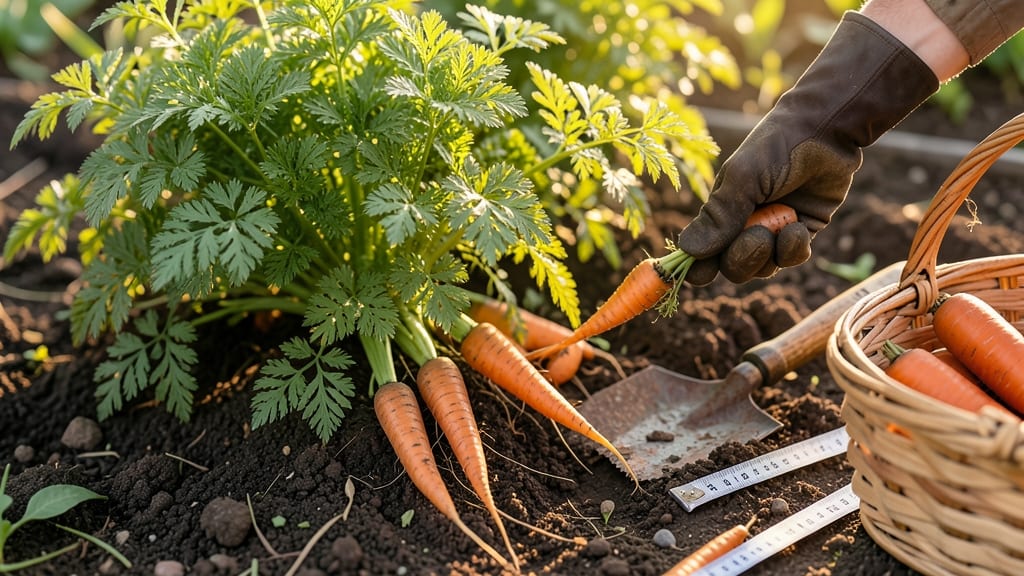
Harvesting carrots at the right time ensures sweet, crisp roots that taste like summer in every bite 🥕 — and most varieties need 60 to 80 days from seed to soil.
Wondering why your carrots taste woody or fibrous? Timing everything from planting to harvest is the secret to growing sweet, crisp roots that rival store-bought perfection.
But here’s the catch: soil temperature, variety, and even your last frost date can shift that window by weeks. A quick-maturing type like ‘Paris Market’ might be ready in 50 days, while heirloom ‘Purple Haze’ could need 80 days or more.
Below, I’ll break down the exact days to harvest by variety, how to spot the perfect moment before they get tough, and how to adjust for your climate—so you never pull a carrot too soon (or too late).
Carrot harvest timeline: days to maturity by variety
Timing your carrot harvest correctly is the key to avoiding those dreaded woody, tough roots. Most gardeners assume all carrots take the same amount of time to mature, but varieties range from quick-sprouting 50-day types to slow-growing 80-day heirlooms.
Even soil temperature plays a role—cooler climates slow growth, while warm soil speeds it up. Let’s break down exactly when to expect harvests for each type so you can plan your garden like a pro.
First, understand that days to maturity on seed packets always assume ideal conditions: 60-70°F soil, consistent moisture, and full sun. If your spring is chilly or summer brings heatwaves, adjust your expectations.
For example, short-season varieties like 'Paris Market' thrive in cool climates, while long-season types like 'Danvers Half Long' need warmer soil to reach full size.
| Variety Type | Days to Maturity | Best Soil Temp (°F) | Ideal Planting Window | Harvest Notes |
|---|---|---|---|---|
| Short-Season (Baby Carrots) | 50-60 days | 50-65°F | March-April, August-Sept | Harvest at 3/4" diameter; great for cool climates. |
| Mid-Season (Standard) | 60-70 days | 60-75°F | April-May, July-August | Classic 1-2" carrots; most seed packet varieties. |
| Long-Season (Heirlooms) | 70-80 days | 65-80°F | Late April-May, June-July | Larger roots; needs warm soil to prevent forking. |
| Rainbow Varieties | 65-75 days | 55-70°F | March-April, August-Sept | Purple/orange/yellow; harvest when color is vibrant. |
For short-season varieties, think of them as your cool-weather champions. They mature quickly (50-60 days) and handle early springs or late falls beautifully. Plant 'Paris Market' or 'Little Finger' in March or August for baby carrots ready by May or October.
These types also work well in container gardens where space is limited.
Most gardeners grow mid-season varieties like 'Nantes' or 'Chantenay' because they strike a balance. With 60-70 days to maturity, they fit neatly into spring and fall planting schedules.
In Zone 6a, aim to plant these by mid-April for a June harvest or late July for a fall crop. If your soil stays below 60°F, growth slows—sometimes by 10-15 days.
Long-season varieties like 'Danvers' or 'Purple Haze' require patience but reward you with larger, sweeter roots. These need 70-80 days and warmer soil (65°F+). Plant them after your last frost in late May for a late July-August harvest.
If you're in a hot climate, succession plant every 2 weeks to avoid bolting (flowering too soon).
Did you know? Soil temperature affects harvest timing more than you think. Carrots grow 2x faster in 70°F soil than in 50°F soil. Use a soil thermometer to monitor—if temps drop below 50°F, growth nearly stops.
In cool climates, opt for short-season types or use row covers to warm the soil.
Pro tip: Succession planting is your secret weapon for a continuous harvest. Sow short-season varieties every 2 weeks in spring, then repeat in late summer for fall crops.
This way, you’ll always have fresh, tender carrots instead of a single overwhelming harvest. Even long-season types benefit from staggered plantings—just space them 3 weeks apart.
Watch out for overcrowding, which forces carrots to compete and grow small or forked. Thin seedlings to 2-3 inches apart when they’re 2 inches tall. This might seem counterintuitive, but it ensures your roots have space to plump up properly by harvest time.
Skipping this step often leads to woody, misshapen carrots that taste disappointing.
Finally, harvest timing isn’t just about days—it’s about root size and color. Even if a variety says "70 days," pull it when roots reach 1-2 inches in diameter and tops are 6-8 inches tall.
Ignoring these cues leads to overgrown, tough roots. For storage carrots, wait until just before frost to let roots sweeten naturally in the cold.
How to tell when carrots are ready to pull (before they get tough)
Harvesting carrots at the right time transforms your garden into a treasure trove of sweet, crisp roots instead of tough, fibrous disappointments. Most varieties reach maturity between 60-80 days, but relying solely on days-to-harvest estimates can backfire—especially in cool climates or with slow-growing varieties.
The secret lies in combining visual cues with tactile tests to catch them at peak perfection.
Start by examining the foliage. Mature carrot tops should stand 6-8 inches tall with vibrant, deep green leaves that look lush and healthy. If the leaves appear thin or yellowing, your carrots likely need more time in the ground.
For baby carrots, harvest when tops reach 3-4 inches—they’ll be tender and sweet when pulled early.
Next, peek at the shoulders of the carrots visible above soil. When 1-2 inches of the root are exposed, it’s a strong sign they’re ready. This "neck" should be firm and uniformly colored—whether orange, purple, or yellow—without any green patches that indicate overgrowth.
Uneven color often means uneven cooking later.
⚠️ callout warning ⚠️
🚨 Don’t Wait Too Long!
Carrots left in the ground past their prime develop woody cores and bitter flavors. Even worse, they’ll split or crack when pulled, ruining your harvest. Test readiness by gently tugging on a few carrots—if they resist slightly but come out cleanly, they’re perfect. If they slide out like butter, they’re underripe. If they break off, you’ve waited too long!
For a foolproof test, perform the soil resistance check. Dig around the base of a carrot and try to pull it gently. A ready carrot will offer slight resistance before yielding—like pulling a cork from a bottle.
If it comes out effortlessly, it’s underdeveloped. If the soil clings stubbornly or the carrot snaps, you’ve missed the window. This tactile feedback is your best tool for nailing the harvest.
Pay attention to weather patterns too. Carrots grown in cool, damp springs may take longer to mature, while hot summers can speed up the process. In my Zone 6a garden, I’ve found that fall-planted carrots often mature faster than spring ones due to cooler soil temperatures.
Adjust your expectations based on your local climate and use a planting calendar to track progress.
Finally, harvest in the morning when soil is moist but not soggy. This reduces stress on the plants and makes pulling easier. Use a hand fork or your fingers to loosen soil around the roots before tugging gently.
Avoid washing carrots until you’re ready to eat or store them—dirt acts as a natural protective layer against spoilage.
With these visual and tactile cues, you’ll never again pull a carrot that’s tough or underdeveloped. The key is consistent monitoring—check your patch every 3-5 days as you approach the estimated harvest window. Soon, you’ll be harvesting carrots that taste like they came straight from a gourmet market! 🥕