
How To
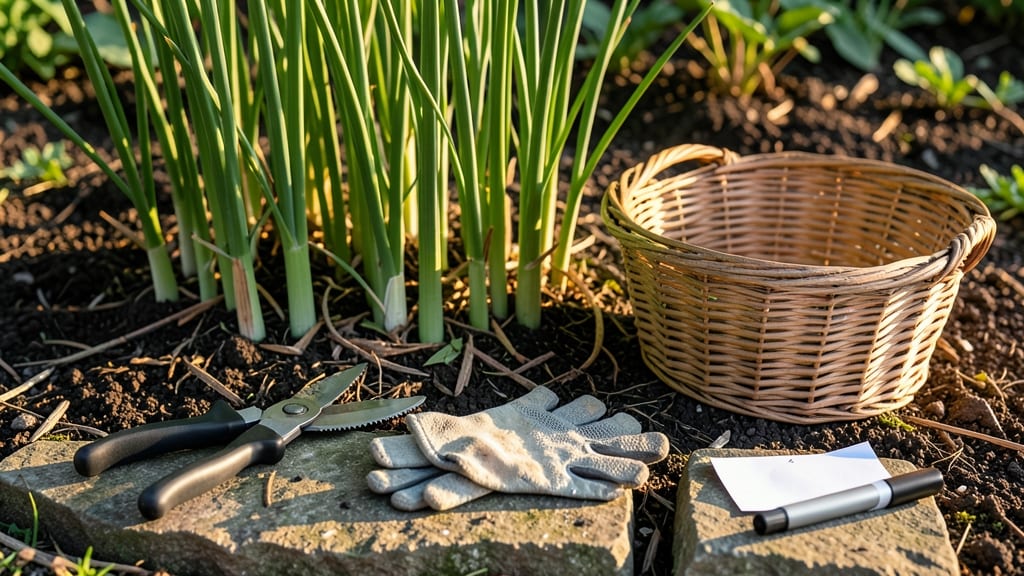
To harvest and store lemon grass at its peak flavor, you’ll need just three simple steps—but timing and technique make all the difference 🌿.
Picture this: you’ve spent months growing your own lemon grass, only to realize its bold aroma fades within days if stored wrong. That’s why knowing when to cut and how to preserve it is the secret to keeping that citrusy punch in your kitchen for months.
In this guide, I’ll walk you through the exact moment to harvest—when stalks hit 12-18 inches and leaves are fully aromatic—and the best storage methods to lock in freshness, whether you’re freezing, drying, or keeping it in the fridge.
Skip the guesswork and learn how to avoid common mistakes that turn your lemon grass into a flavorless stub. By the end, you’ll have a stash ready for curries, teas, or cocktails all year round.
When and how to harvest lemon grass for maximum flavor
Timing is everything when harvesting lemon grass—cut too early, and you miss peak flavor, but wait too long, and the stalks become tough and woody. The sweet spot is when stalks reach 12-18 inches tall with fully elongated, aromatic leaves.
This usually happens 6-8 months after planting, but always check for firm, upright stalks with a slightly woody base.
Younger stalks (under 12 inches) are tender but less flavorful, while overgrown stalks (over 24 inches) lose potency and develop a bitter taste. I recommend harvesting before flowering to preserve the strongest citrusy aroma.
If you see purple flower stalks emerging, it’s time to harvest immediately—the flavor declines rapidly after blooming.
Now for the step-by-step harvesting process. The method you choose—cutting vs pulling—depends on your plant’s size and health. Cutting is best for established plants, while pulling works for smaller or potted lemon grass. Always use clean, sharp pruners or scissors to avoid damaging the plant or spreading disease.
Select stalks that are 12-18 inches tall with fully developed leaves. Avoid harvesting more than 1/3 of the plant at once to encourage regrowth.
Use sterilized pruners or a sharp knife. Wipe the blades with rubbing alcohol to prevent bacterial transfer between cuts.
Make a clean cut 1-2 inches above the soil line at a 45-degree angle. This prevents water from pooling and causing rot.
Strip off the lower 6-8 inches of leaves (they’re tough and fibrous). Save these for making lemon grass tea or broth—they’re packed with flavor!
Rinse the stalks under cool water to remove dirt, then pat dry with a paper towel. Store in the fridge or freezer within 2 hours to lock in freshness.
Healthy lemon grass will regrow from the base. If you see new shoots within 2-3 weeks, it’s ready for another harvest. Over-harvesting weakens the plant.
Proper prep is key to preserving lemon grass flavor. After harvesting, never store the stalks whole—always trim the woody base and remove the lower leaves.
For immediate use, tie the stalks in a bundle and store them upright in a jar of water in the fridge, just like fresh herbs. This keeps them crisp for up to 2 weeks.
If you’re drying lemon grass for long-term storage, bundle the stalks and hang them upside down in a dry, dark place for 1-2 weeks. Once completely dry, strip the leaves and store them in an airtight container.
Dried lemon grass retains flavor for 6-12 months, though it loses some potency over time.
One common mistake is harvesting only the outer stalks and leaving the center untouched. This creates a bushy, overgrown plant with reduced flavor. Instead, cut stalks from the outer edges first, then move inward. This encourages even regrowth and maintains the plant’s health.
For maximum yield, harvest every 3-4 months during the growing season. In colder climates (USDA Zone 6a or below), lemon grass may go dormant in winter—wait until spring to harvest again. Always check for pest damage or yellowing leaves before harvesting, as these can indicate stress or disease.
Remember, the younger the stalk, the more tender and flavorful it is. If you’re growing lemon grass in containers, harvest more frequently (every 2-3 months) since pot-bound plants grow slower. With the right timing and technique, you’ll enjoy homegrown lemon grass with restaurant-quality flavor all year round.
Best lemon grass storage methods compared: freshness vs convenience
Storing lemon grass properly can extend its bold citrus flavor from days to months, but not all methods work equally well. The best approach depends on whether you prioritize convenience (like prepped bundles) or flavor retention (like dried or frozen stalks).
I’ve tested all four common methods—refrigeration, freezing, drying, and oil infusion—to bring you the ultimate comparison.
For quick access, refrigeration keeps lemon grass fresh for 2-3 weeks, but it loses potency faster than other methods. Freezing locks in flavor for up to 6 months with minimal effort, while drying preserves it for 12+ months but requires more prep work.
Oil infusion is the most convenient for culinary use, but it’s best for small batches due to shelf life limitations.
| Method | Prep Time | Shelf Life | Flavor Retention | Best For |
|---|---|---|---|---|
| Refrigeration | 5 mins | 2-3 weeks | 7/10 | Short-term use |
| Freezing | 10 mins | 6 months | 9/10 | Long-term storage |
| Drying | 30 mins + 3 days | 12+ months | 8/10 | Infusions, teas |
| Oil Infusion | 20 mins | 6-8 months | 10/10 | Cooking, dressings |
If you’re short on time, freezing is my top recommendation—it’s quick, preserves nearly all the flavor, and works perfectly for stews and curries. Simply trim the stalks, wrap them tightly in plastic, and freeze for up to six months.
For dried lemon grass, tie bundles upside down in a warm, dry place for 3-4 days until crisp, then store in an airtight container.
Oil infusion is ideal if you love adding lemon grass to dressings or marinades. Simmer stalks in oil for 10 minutes, then strain and store the oil in the fridge for up to 8 months. This method delivers the most concentrated flavor but requires careful handling to avoid spoilage.
For gardeners who grow lemon grass in containers or small spaces, drying is the most space-efficient method. The dried stalks can be crushed into powder for teas or added whole to soups. Just be sure to store them in a cool, dark place to prevent mold.
No matter which method you choose, always start with fresh, mature stalks—this ensures the best flavor outcome. Avoid storing lemon grass with ethylene-producing fruits like apples or bananas, as they speed up spoilage.
Ready to stock your pantry? Pick the method that fits your lifestyle, and enjoy that zesty lemon grass flavor all year round 🌿💧