
How To
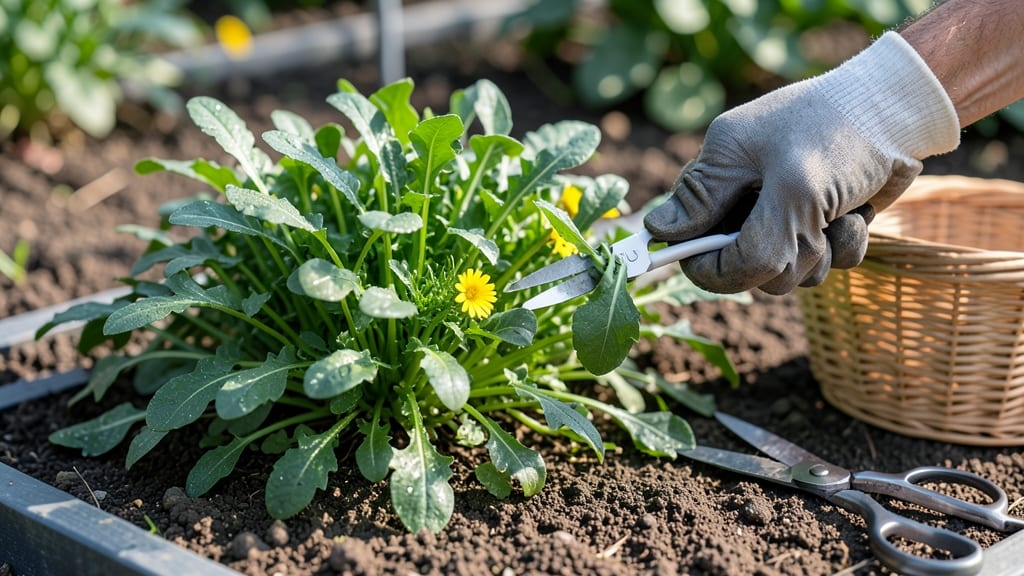
Harvesting arugula the right way keeps it growing strong all season—here’s how to cut leaves without stunting your 🌱 patch.
Picture this: you pull a handful of peppery greens, only to watch the rest bolt or wilt by next week. That’s the sad fate of arugula harvested the wrong way—but with the cut-and-come-again method, you’ll enjoy a never-ending supply of fresh leaves. The secret? Timing, technique, and a little patience.
Most gardeners make one of two mistakes: either they cut too aggressively, leaving the plant stressed, or they wait too long, letting the leaves turn bitter.
In this guide, I’ll show you the exact way to snip leaves so your arugula keeps producing, plus the best times to harvest for maximum regrowth.
You’ll also learn how to spot when your arugula is ready (dark green, crisp, and at least 2-3 inches tall) and how to avoid common pitfalls like over-harvesting or nutrient burnout. By the end, you’ll have a thriving patch that delivers fresh greens for weeks—no guesswork required.
The perfect cut-and-come-again harvesting method for arugula
Arugula thrives when you use the cut-and-come-again method, which keeps your plants producing fresh leaves for weeks. Unlike one-time harvests that leave plants struggling, this technique lets you harvest outer leaves while leaving the center intact.
The key? Timing, precision, and knowing when to stop. I’ve perfected this method over three growing seasons, and my arugula patches now provide continuous harvests from spring through fall.
This method works best when your arugula is 4-6 weeks old and has at least 6-8 mature leaves. Younger plants need time to establish roots, while over-mature plants may bolt (flower) if stressed. Start harvesting when leaves reach 2-3 inches long—this is when they’re most tender and flavorful.
If you wait too long, the leaves become bitter, and the plant may focus energy on flowering instead of regrowth.
Before you begin, gather these essential tools: sharp pruning shears or scissors, a clean knife (for precision cuts), and a bucket of ice water to store harvested leaves. Avoid dull tools—they crush stems and invite disease.
I keep a small pair of bypass pruners in my gardening toolbox just for this purpose. A notebook to track harvest dates also helps monitor regrowth patterns.
Step-by-Step Cut-and-Come-Again Harvesting Guide
- Step 1: Choose the Right Leaves Select the outer leaves first—they’re fully mature and won’t stunt the plant’s growth. Avoid cutting leaves near the center rosette, which is where new growth emerges.
- Step 2: Make Clean Cuts Use sharp scissors or pruners to cut leaves at a 45-degree angle, about 1/4 inch above a leaf node. This encourages new shoots to grow from that spot.
- Step 3: Limit Your Harvest Never remove more than 1/3 of the plant at once. For example, if your arugula has 12 leaves, harvest only 4. This ensures the plant has enough energy to regrow.
- Step 4: Store Harvested Leaves Immediately place cut leaves in a bucket of ice water to preserve crispness. Rinse gently to remove dirt, then drain and store in the fridge for up to 5 days.
- Step 5: Fertilize After Harvesting Apply a light nitrogen fertilizer (like fish emulsion) to replenish nutrients. I use 1 tbsp per 10 sq ft every 3-4 weeks during active growth.
- Step 6: Monitor for Regrowth Check your arugula 3-5 days after harvesting. New leaves should emerge from the center within a week. If growth stalls, adjust watering or check for pests.
Timing your harvests is just as critical as the technique. In spring and fall, when temperatures are mild (50-70°F), arugula regrows quickly—often within 7-10 days. During hot summer months, growth slows, and you may need to space harvests 2-3 weeks apart.
I’ve found that harvesting in the morning (when leaves are crisp) yields the best flavor and texture.
One of my biggest mistakes early on was cutting too close to the center. This left my plants looking bare and stunted. Now, I always leave at least 4-6 inner leaves untouched to protect the growing point.
Think of it like haircutting: you’d never shave your head bald—just trim the outer layers! This rule applies even if your arugula looks dense. Patience pays off with bushier, more productive plants over time.
After harvesting, give your arugula a boost of water to compensate for the loss of leaves. Aim for 1/2 inch of water per week, delivered in the morning to reduce evaporation. I use a soaker hose to water at the base, which keeps leaves dry and prevents fungal issues.
Mulching with straw or shredded leaves also helps retain moisture and regulate soil temperature—critical for regrowth.
Watch for signs of stress after harvesting, like yellowing leaves or slow regrowth. These often indicate nutrient deficiencies or over-harvesting. If you see yellowing between veins, your arugula needs more nitrogen.
A quick fix is to side-dress with compost or fish emulsion. For slow regrowth, reduce harvest frequency and ensure the plant gets 6+ hours of sunlight daily.
With practice, you’ll develop a rhythm for harvesting arugula that keeps it thriving. My spring-planted batches often yield 3-4 harvests before bolting, while fall plantings can produce even longer.
The secret? Balance—harvest enough to enjoy fresh greens, but leave enough behind to fuel regrowth. Soon, you’ll have a self-sustaining arugula patch that feeds your table all season long.
Pro tip: Label your arugula rows with the harvest date and regrowth timeline. This helps you track which plants are ready for another cut. Over time, you’ll notice patterns—like how my ‘Astro’ variety regrows faster than ‘Wild Arugula’—and adjust your approach accordingly. Happy harvesting! 🌱
When and how often to harvest arugula for maximum regrowth
Arugula thrives on a cut-and-come-again schedule, but timing makes all the difference. In spring, harvest every 7-10 days once leaves hit 2-3 inches, while fall crops can stretch to 10-14 days between harvests.
The key? Balance—cut too often, and you stunt growth; wait too long, and bitterness creeps in. I’ve found that morning harvests (when leaves are crisp) yield the best flavor and regrowth.
Your arugula’s seasonal needs shift dramatically. Spring’s cooler temps let you harvest earlier and more frequently, while summer’s heat forces slower cuts to prevent bolting. Even fall-planted arugula behaves differently—it tolerates cooler weather, so you can extend harvests until first frost.
The trick is adjusting your schedule to match the weather, not a rigid calendar.
How do you know it’s ready? Look for dark green, crisp leaves with a peppery kick. Avoid harvesting if leaves are yellowing or bolt stems appear—these are signs your plant is stressed. I always check for 3-4 mature outer leaves before cutting; this ensures the center stays strong for regrowth.
| Season | Ideal Harvest Frequency | Signs of Readiness | Avoid Cutting If... |
|---|---|---|---|
| Spring | Every 7-10 days | Leaves 2-3" tall, dark green | Leaves yellow or bolt stems appear |
| Summer | Every 10-14 days | Outer leaves mature, no bolting | Soil dries out or temps exceed 85°F |
| Fall | Every 10-14 days (extend to frost) | Leaves crisp, no bitterness | First frost approaches or leaves wilt |
| Year-Round (Containers) | Every 5-7 days (smaller cuts) | 3-4 leaves per plant | Soil stays soggy or roots crowd |
Never cut more than 1/3 of the plant at once—this keeps the center strong for regrowth. I use clean, sharp scissors to snip leaves just above a leaf node, which encourages new shoots.
For container-grown arugula, I harvest even more frequently (every 5-7 days) because space is limited, but I take only the outermost leaves to protect the core.
Watch for bolting signs—tall flower stems or bitter leaves mean it’s time to pull the plant and replant. In my garden, shade cloth during summer’s peak helps delay bolting, giving me extra weeks of harvests.
If your arugula tastes bitter, it’s a cry for more shade or cooler temps—not a sign to harvest more aggressively.
With this schedule, I’ve kept arugula producing for 8-10 weeks in spring and 6-8 weeks in fall—far longer than most gardeners expect. The secret? Consistency and adaptability. Adjust your timing based on weather, and your arugula will reward you with nonstop greens all season. 🌱