
How To
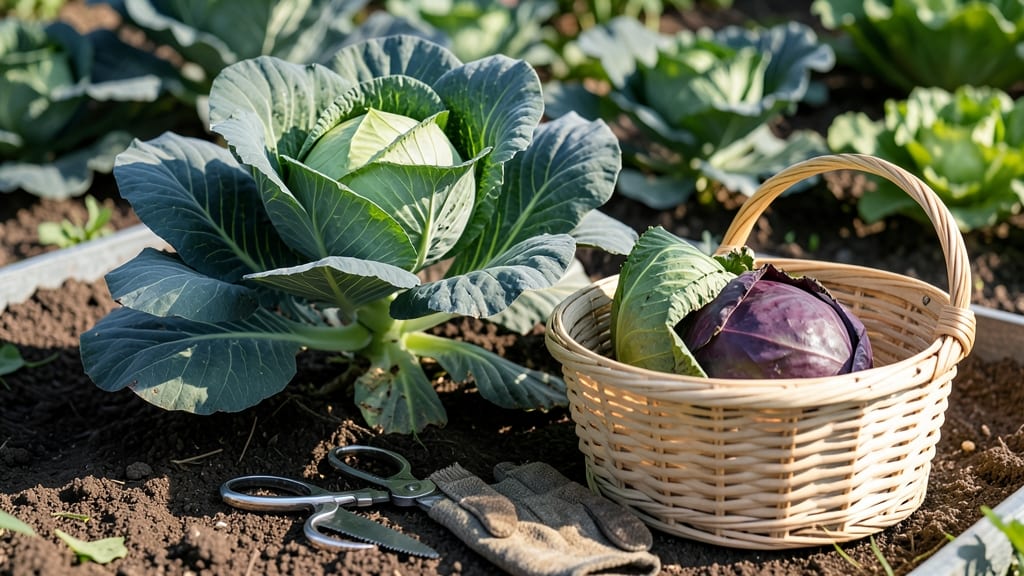
Harvesting cabbage at the right time means the difference between a tender, flavorful head and a tough, bitter one 🥬 — and getting it wrong can mean losing your whole crop.
You’ve nurtured your cabbage through spring rains and summer heat, but the moment you cut it matters just as much as the planting.
A head harvested too early stays loose and pale; too late, and it splits or bolts, sending up a flower stalk instead of the crisp greens you want.
In this guide, I’ll walk you through the exact signs to watch for — from firmness to color — so you know when your cabbage is ready, plus the best cutting techniques to keep it fresh longer.
Whether you’re growing green, red, or savoy varieties, these steps will help you avoid common mistakes and enjoy homegrown cabbage at its peak.
You’ll also learn how to store your harvest for weeks (or even months) without losing quality, so nothing goes to waste. Ready to pull that perfect head from the garden?
When to harvest cabbage for maximum flavor and storage potential
Timing your cabbage harvest correctly transforms a simple vegetable into a flavor powerhouse with impressive storage life. The key lies in watching for three critical maturity signals: head firmness, leaf color, and overall size.
When these indicators align, you'll know your cabbage is ready to yield its best qualities—whether you're planning to eat it fresh, ferment it, or store it for winter.
Most cabbage varieties reach harvest readiness between 75 to 100 days after planting, but this window varies by type. For example, green cabbage typically matures faster (around 75 days), while red cabbage and savoy cabbage may take up to 100 days.
Understanding these differences helps you avoid common mistakes like harvesting too early (resulting in loose heads) or too late (leading to bolting or split heads).
Regional growing conditions play a surprisingly large role in harvest timing. In warmer climates (Zones 8-10), cabbage often matures earlier due to longer growing seasons, while cooler northern regions (Zones 3-6) may need to harvest before the first frost—usually by late September or early October.
I've found that planting early spring varieties in cooler climates and late summer varieties in warm regions gives the best results for both flavor and storage potential.
One visual cue I always check is the leaf tightness. When the outer leaves begin to wrap tightly around the head, it's a clear sign of maturity. The head should also feel solid and heavy for its size when lifted gently.
If you press your thumb into the head and it springs back immediately, that's another positive sign. These physical characteristics correlate directly with better storage life and sweeter flavor.
Color consistency is another important indicator. A fully mature cabbage head will have uniform coloration throughout—whether that's deep green, vibrant purple, or crisp white. Look for heads where the outer leaves match the inner ones in hue.
Uneven coloring often signals stress or uneven growth, which can affect both taste and storage capabilities. I've noticed that red cabbage varieties sometimes develop a slightly deeper color as they mature, so paying attention to these subtle changes helps prevent premature harvesting.
| Maturity Indicator | Ready Signs | Not Ready Signs |
|---|---|---|
| Head Firmness | Solid when squeezed, heavy for size | Soft or spongy when pressed |
| Leaf Tightness | Leaves tightly wrapped around head | Loose or spreading leaves |
| Color Uniformity | Consistent hue throughout | Pale or uneven coloring |
| Head Size | Full-size for variety (6-12 in diameter) | Small or underdeveloped |
| Outer Leaves | Crisp and upright | Yellowing or wilted |
Seasonal timing affects both flavor and storage potential. I've learned that cabbage harvested in early fall (before temperatures drop below 50°F) tends to have the best balance of sweetness and crunch. The cooler nights trigger natural sugar conversion in the plant, enhancing flavor.
However, if you're growing in a warm winter climate, you might extend your harvest window into early winter, as cabbage can tolerate light frosts without significant quality loss.
One common mistake gardeners make is waiting too long to harvest. When cabbage heads split or bolt (send up flower stalks), the quality declines rapidly. The plant redirects its energy toward reproduction rather than leaf development.
To prevent this, I always monitor my plants closely during their final growth stages. Removing any flower stalks that appear early in the season also helps maintain head integrity until harvest time.
For maximum storage life, aim to harvest cabbage when it's fully mature but before any signs of stress appear. Properly stored cabbage can last 4-6 weeks in a cool, dark place or up to 6 months in the refrigerator.
The key is to handle the heads gently during harvest and avoid any damage to the outer leaves, which protect the inner head from dehydration and rot. I've found that red cabbage varieties often store slightly longer than green types due to their denser leaf structure.
If you're growing cabbage in containers or small gardens, consider harvesting individual leaves rather than the whole head. This extends your harvest season and prevents waste. Simply cut leaves from the outer edges, leaving the inner growth intact.
This method works particularly well with savoy cabbage, which has more loosely formed heads. Just be sure to leave at least 3-4 inner leaves to maintain the plant's growth.
Remember that every cabbage variety has its own ideal harvest window. While most standard varieties mature in 75-100 days, some specialty types like Napa cabbage may be ready in as few as 60 days.
Always check the seed packet or plant tag for specific recommendations. By paying attention to these details, you'll consistently harvest cabbage at its peak—ready for immediate use or long-term storage.
Step-by-step cabbage harvesting techniques to avoid damage
Harvesting cabbage the right way preserves its crisp texture and flavor while extending storage life. A sharp cut and gentle handling prevent bruising, which leads to rot. Whether you're harvesting the whole head or just outer leaves, timing and technique are everything.
Use the right tools and follow a few simple steps to ensure your cabbage stays fresh for weeks. I’ll walk you through everything—from identifying the perfect harvest moment to storing your cabbage like a pro. Let’s dive into the process to avoid common mistakes that ruin your hard-earned harvest.
How to Harvest Cabbage Without Damage
-
Step 1: Choose the Right Tools
Grab a sharp knife or pruning shears—dull tools crush the stem and invite pests. A clean cut also prevents disease. -
Step 2: Harvest Whole Heads
Gently grasp the outer leaves near the base and twist or cut the stem at ground level. Avoid pulling—this can uproot younger plants nearby. -
Step 3: Harvest Individual Leaves
For leaf harvests, snip outer leaves at the base, leaving the inner core intact. This encourages regrowth for multiple harvests. -
Step 4: Remove Damaged Leaves
Trim any yellowed or wilted leaves immediately. These spread rot and pests faster than healthy ones. -
Step 5: Store Properly
Place whole heads in a cool, dark place (40–50°F) with high humidity. For long-term storage, wrap in a damp cloth or use a plastic bag with holes.
After harvesting, let your cabbage air-dry for 10–15 minutes to toughen the cut edges. This simple step reduces moisture loss and keeps it fresh longer. Store heads upright in a well-ventilated container to prevent mold.
If you’re harvesting young leaves for salads, pick them when they’re tender and bright. Older leaves stay crisp longer but may need cooking. Always harvest in the morning when temps are coolest—this preserves freshness and flavor.
Never store cabbage near ethylene-producing fruits like apples or bananas. These gases speed up spoilage. Instead, keep it separate in a dedicated crisper drawer or a cool basement corner.