
How To
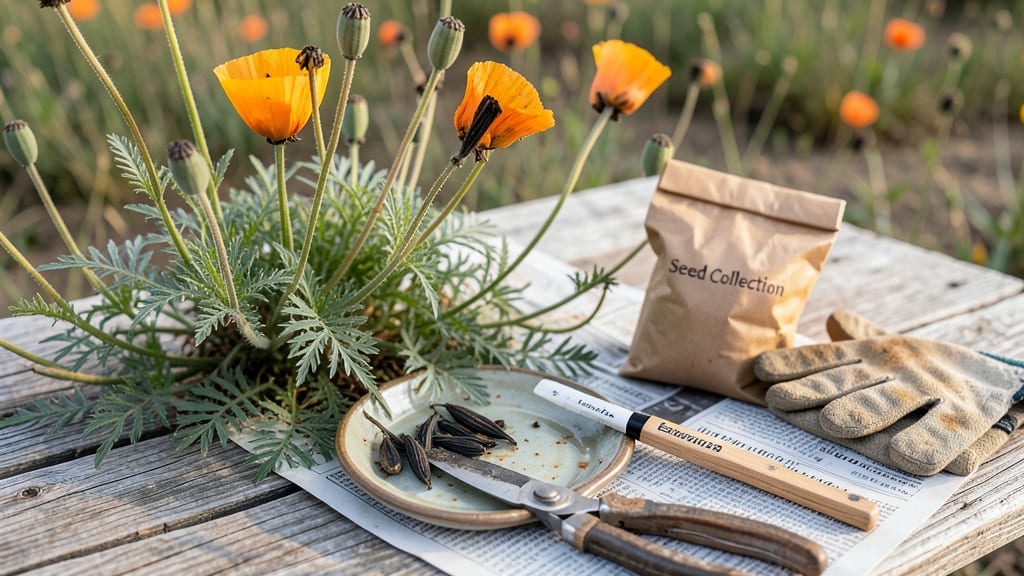
Harvesting California poppy seeds at the right moment turns your 🌼 garden into a seed bank for next year’s vibrant blooms.
Picture this: you’ve nurtured your poppies all season, and now the pods are drying out—but wait too long, and the wind will scatter your hard-earned seeds.
The key is catching them when the pods crack open just enough to release the seeds, yet not so far that they’re gone before you know it.
Timing is everything, especially in California’s mild climate, where the dry heat can speed up the process. Below, I’ll walk you through how to spot perfectly ripe pods, the best tools to collect seeds without losing them, and how to store them so they stay viable for years.
Whether you’re a first-time gardener or a seasoned pro, these tips will save you from the frustration of empty pods and ensure your California poppy seeds are ready for planting next fall.
When and how to identify perfectly ripe California poppy seed pods
Harvesting California poppy seeds at the perfect moment ensures high germination rates and saves you from losing seeds to wind or pests. The key is watching for visual cues that signal maturity—like the pods turning brown and beginning to split open.
Miss this window, and you risk either unripe seeds or empty pods.
Timing is critical because California poppy seed pods dry out quickly after reaching maturity. In USDA zones 9b-10a, the ideal harvest window typically falls between late spring and early summer, usually April through June. Coastal regions may extend this slightly due to milder temperatures.
Start by examining the pod color. When pods transition from green to dry brown, they’re ready. A gentle squeeze should reveal papery texture—if it crumbles easily, it’s time to harvest. Ignore pods that are still firm or green, as they won’t yield viable seeds.
Listen for another clue: seeds rattling inside the pod. Shake a mature pod near your ear—you’ll hear a faint dry, crackling sound. This indicates the seeds are loose and ready for collection. If you hear nothing, the pods aren’t mature yet.
Environmental factors like humidity and temperature can speed up or slow down pod drying. In hot, dry climates, pods may mature faster, while cool, damp conditions can delay ripening. Monitor your plants closely during spring showers, as excess moisture can cause mold or premature pod opening.
Here’s a quick reference to help you spot the perfect moment:
| Stage | Pod Color | Texture | Sound | Action |
|---|---|---|---|---|
| Immature | Green | Firm | None | Wait |
| Ripening | Brownish-green | Slightly papery | Faint rattle | Monitor daily |
| Mature | Dry brown | Papery, crumbles | Loud rattle | Harvest now! |
| Overripe | Light brown | Brittle, splitting | Empty | Too late |
If you notice pods splitting open too soon, it’s often due to high humidity or overwatering. To prevent this, reduce watering as pods mature and consider harvesting them slightly earlier.
Place harvested pods in a paper bag to finish drying indoors—this mimics the natural drying process and prevents seed loss.
Watch for mold or discoloration on pods, which signals fungal issues from excess moisture. If you spot mold, remove affected pods immediately and improve airflow around your plants. California poppies thrive in poor soil, so avoid rich, moisture-retentive amendments during seed maturation.
Pro tip: Harvest on a dry, sunny morning when pods are fully dry. This minimizes the risk of seeds sticking to wet pods or attracting ants. Collect seeds before 10 AM to avoid the heat of midday, which can accelerate pod drying and seed loss.
Once you’ve mastered these cues, you’ll never miss the perfect moment to harvest California poppy seeds again. The next step? Learn how to collect and store them properly to ensure viable seeds for next year’s garden. 🌾
Step-by-step seed collection methods: from hand-picking to mesh bags
Once your California poppy pods turn brown and begin splitting, it's time to collect seeds before they scatter. The key is speed—these seeds don’t wait! I’ve found that using the right tools and techniques can save 90% of your harvest from blowing away in the breeze.
Start by gathering lightweight gloves and breathable mesh bags to protect both your hands and the delicate seeds.
Work on a dry, sunny day when humidity is low. This minimizes mold risk and makes handling the brittle pods easier. I recommend wearing a hat or bandana to keep seeds out of your hair while you work.
For larger collections, lay down a white sheet or tray beneath the plants to catch any stray seeds that escape your bags.
How to Harvest California Poppy Seeds
- Step 1: Gently twist open dry seed pods with your fingers. Avoid crushing them—this releases seeds prematurely.
- Step 2: Place pods in a breathable mesh bag (like a butterfly net bag) to allow airflow while preventing seed loss.
- Step 3: Shake pods lightly over a white tray or paper to collect any loose seeds that didn’t fall naturally.
- Step 4: Store harvested pods and seeds in a paper envelope or cardboard box in a cool, dry place for 1–2 weeks to fully dry.
- Step 5: Once completely dry, separate seeds from chaff by winnowing (pouring seeds in a stream of air) or sifting through a fine mesh screen.
After harvesting, drying seeds properly is critical for long-term storage. Spread them out on a paper towel-lined tray in a well-ventilated area for 1–2 weeks. Avoid plastic bags—they trap moisture and cause mold.
Once fully dry, store seeds in airtight containers like glass jars or resealable bags with silica gel packets to absorb excess humidity.
For long-term viability, keep seeds in a dark, cool place (like a fridge) where they’ll stay good for 2–3 years. Label each container with the harvest year and variety. I’ve had success with this method, and my seeds germinate just as well years later as they did fresh!
If you’re harvesting in windy conditions, consider using a pop-up seed collector (a DIY frame with mesh netting) to create a mini windbreak around your plants. This lets you work without losing seeds to the breeze. Just drape the netting over the plants and harvest inside the protected space.
With these methods, you’ll maximize your California poppy seed yield while keeping them viable for future gardens. Happy harvesting—your future blooms will thank you! 🌼