
How To
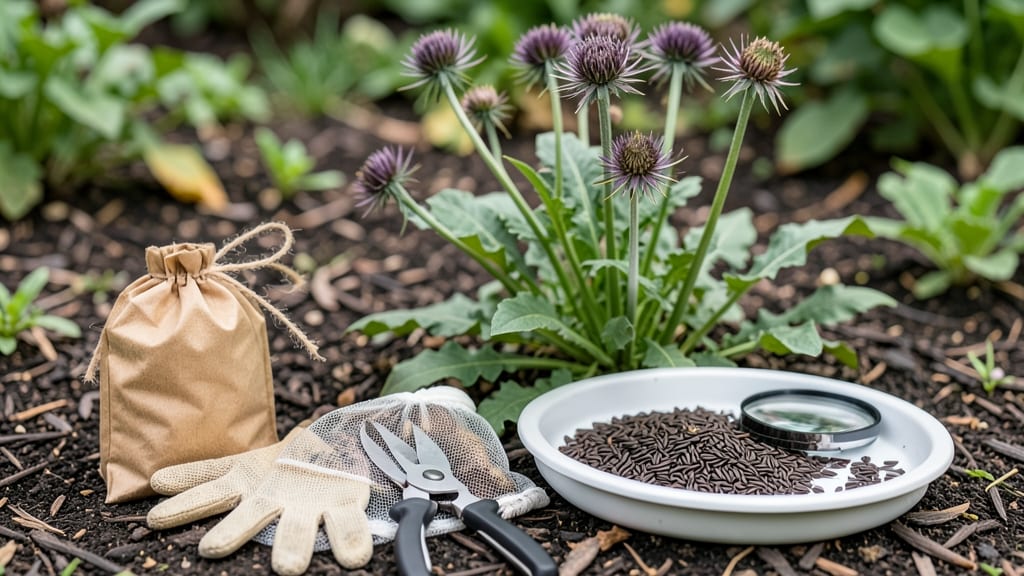
Harvesting chicory seeds at the right moment turns your late-season plants into a goldmine for next year’s garden 🌱—but timing is everything.
You’ve nurtured your chicory through spring rains and summer heat, only to watch the stems turn brown and the flower heads crack open. That’s your cue: rush in too early, and the seeds won’t be viable; wait too long, and they’ll scatter with the wind.
The difference between a bountiful harvest and wasted effort comes down to knowing exactly when those pods are ready—and how to collect them without a single seed lost.
This guide breaks down the visual cues that signal peak ripeness, from the telltale brown stems to the seeds rattling inside dried pods.
You’ll also learn the best tools to use, how morning dew can ruin your yield, and why storing seeds properly means the difference between next year’s thriving plants and a bag of dust.
By the end, you’ll harvest chicory seeds like a pro—no guesswork, no wasted effort, just a reliable stash for planting wildflower meadows or fresh salads in seasons to come.
When to harvest chicory seeds: identifying the perfect ripeness stage
Harvesting chicory seeds at the right moment makes all the difference between a bountiful yield and wasted effort. The transition from vibrant blue flowers to dry brown stems marks the critical window—usually between late summer and early fall (September-October in most USDA zones).
Miss this stage, and seeds either scatter prematurely or lose viability. Pay close attention to these three key indicators to nail the perfect harvest timing.
First, watch for the color shift in the flower heads. When the blue petals fade completely and the central stems turn a deep, papery brown, your chicory is signaling it's time.
This change typically occurs 4-6 weeks after flowering begins. Ignoring this visual cue often leads to overripe seeds that shatter unpredictably or develop mold in humid conditions.
Visual cues alone aren't enough—you'll also need to test the seed pods physically. Gently squeeze the dried flower heads between your fingers. At the perfect ripeness, the pods should crush easily (like dry paper) while still holding their shape. If they feel leathery or springy, they're not ready yet. This tactile check is your best defense against premature seed loss.
Here's where many gardeners make their first mistake: waiting until the pods crack open naturally. By then, seeds have already scattered—often 50-70% of them—leaving you with a fraction of your potential harvest.
The ideal moment is just before the pods split open, when you can still hear seeds rattle inside when you shake the flower head. This "rattle test" is your golden rule for timing.
Environmental factors play a surprising role in chicory seed ripening. In humid climates, stems may stay green longer due to excess moisture, delaying the browning process by 1-2 weeks.
If you're in a rainy region, consider harvesting slightly earlier than the color cues suggest—just when the pods start to soften. Conversely, in dry, hot conditions, chicory may ripen faster, so monitor plants daily during heatwaves to avoid missing the window.
Don't overlook the leaf condition as a secondary indicator. As the chicory prepares for seed production, the lower leaves will begin yellowing and dying back. This is your plant's way of redirecting energy to the flower heads.
However, if more than 50% of leaves have died back before the seeds are ready, your plant may have nutrient deficiencies or disease pressure, reducing your potential yield.
Timing your harvest to the morning hours gives you the best chance of collecting dry seeds. Dew often forms on plants overnight, which can accelerate mold growth if you harvest wet seeds.
Wait until the morning sun has dried any dew, but harvest before the midday heat causes pods to over-ripen and crack open prematurely. This golden two-hour window (typically 8-10 AM) is ideal for most climates.
One common mistake is assuming all chicory plants ripen simultaneously. In reality, flower heads mature at different rates—often varying by 3-5 days per plant. To maximize your yield, harvest individual flower heads as they reach ripeness rather than waiting for the entire plant.
This staggered approach prevents seed loss while ensuring you capture every viable seed your plants produce.
Pro tip: If you're growing chicory for both salad greens and seeds, prioritize the seed harvest first. Once the plants bolt and flower, their leaf production declines dramatically.
By focusing on seed collection, you'll get the best of both worlds—fresh greens early in the season and seeds later—without sacrificing quality in either harvest.
Step-by-step chicory seed harvesting process to maximize yield
Harvesting chicory seeds requires patience and precision—one wrong move can turn your seed bounty into a scattered mess. The key is timing: wait until the flower heads turn completely brown and the seed pods crack open easily.
Morning harvests work best because the dew-free stems are easier to handle, reducing seed loss. Grab your tools, and let’s ensure you collect every viable seed without spoilage.
Before diving in, gather these essential tools: a pair of clean pruning shears, a paper bag or breathable cloth sack, a small hand seed collection tray, and a labeling marker for tracking varieties.
Avoid plastic bags—they trap moisture and cause mold. Work quickly but gently to prevent seeds from scattering or pods from crumbling in your hands.
How to Harvest Chicory Seeds: A Foolproof Process
- 1 Wait for the right signals: Harvest when flower heads are fully brown and seed pods crack open with gentle pressure. Shake a dried head—if seeds rattle, it’s time!
- 2 Cut stems at the base: Use pruning shears to snip stems 2-3 inches below the flower head. Avoid tugging—this can damage the seed pods and cause premature release.
- 3 Dry flower heads indoors: Lay cut stems in a single layer on a paper towel-lined tray in a well-ventilated area. Avoid direct sunlight to prevent overheating, which can scorch seeds.
- 4 Shake out seeds: Once completely dry (3-5 days), hold a flower head over a paper bag and gently shake or rub the pods between your fingers. Repeat until no more seeds fall out.
- 5 Store seeds properly: Transfer seeds to a labelled envelope or jar and store in a cool, dry place (like a seed vault or fridge) for up to 2 years. Add a silica gel packet to absorb excess moisture.
Timing is everything—harvest too early, and seeds won’t be viable; too late, and they’ll scatter on their own. If you miss the window, chicory plants will self-seed, but these seeds may not retain the same vigor as hand-harvested ones.
For large batches, work in small groups to avoid overcrowding your drying space.
Pro tip: Label each batch with the harvest date and variety to track freshness. Older seeds (over 3 years) lose viability, so prioritize using the newest stock for planting.
If you end up with extra dried stems, toss them into your compost pile—they’ll break down quickly and enrich your soil.
With these steps, you’ll transform your chicory plants into a seed-saving powerhouse, ready to replant next season. Happy harvesting—your future garden will thank you! 🌱