
How To
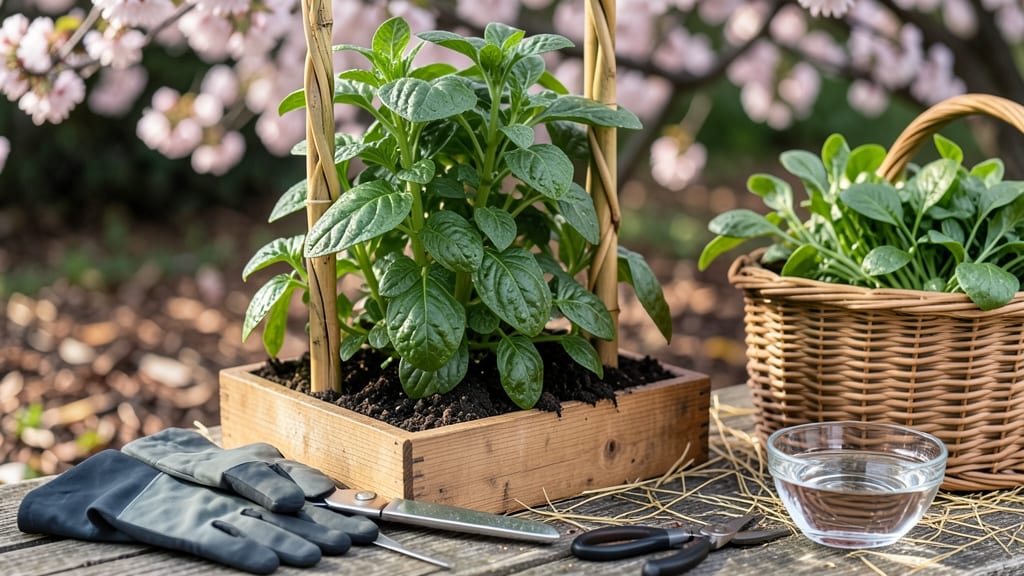
To harvest climbing spinach at its peak tenderness, focus on leaf size, stem flexibility, and growth stage—three simple cues that make all the difference between a crisp bite and a chewy disappointment.
Picture this: you’re reaching for your 🌱 climbing spinach, only to find the leaves tough and bitter instead of the delicate, sweet greens you planted for. That’s the moment you realize timing (and technique) matter just as much as soil and sunlight.
In this guide, I’ll walk you through the three tactile tests that tell you exactly when to snip—plus how to do it without stunting your plant’s regrowth. No guesswork, just perfectly tender leaves every time.
You’ll learn the best tools to use, when to harvest for continuous yields, and how to spot (and fix) common mistakes that turn your greens into garden flops. Ready to turn your vines into a never-ending salad bowl?
3 Tactile tests to identify perfectly tender climbing spinach leaves
Harvesting climbing spinach at the perfect moment transforms your garden into a flavor factory. Unlike its bushy cousins, this vining variety develops tender leaves that become tough and bitter if left too long.
The secret? Trust your hands—not just your eyes. These three tactile tests will teach you when to harvest for maximum tenderness and nutrient density.
I’ve spent years perfecting these methods in my own garden, and they’ve saved me from countless bitter harvests. The key is to check for leaf thickness, stem flexibility, and growth stage cues—all without damaging the plant.
Once you master these tests, you’ll enjoy a continuous supply of sweet, crisp leaves all season long.
🌱 3 Tactile Tests for Harvest-Ready Climbing Spinach
- Test 1: Leaf Thickness Check
Press a leaf between your thumb and forefinger. If it feels soft and pliable (like a fresh basil leaf), it’s ready. Thick or leathery leaves? Wait 2-3 days. - Test 2: Stem Snap Test
Gently bend a young stem. If it snaps cleanly with slight resistance, harvest now. Woody stems that bend with a crackling sound mean the plant is overmature. - Test 3: Growth Stage Cues
Look for 4-6 inch leaves with flat, bright green surfaces. Avoid harvesting leaves that are still curled or smaller than your palm.
Start with the leaf thickness test first—it’s the fastest way to gauge readiness. I always begin my harvests by scanning the plant for the softest leaves, then confirm with the stem snap test.
This two-step process ensures I never pick leaves that are past their prime. Pro tip: Harvest in the morning when leaves are most hydrated and tender.
The stem snap test is my fail-safe for avoiding woody stems. I learned this trick from an organic farmer who swore by it—once you hear that clean snap, you’ll never overlook it again.
For climbing varieties, focus on the newest growth near the tips, as these stems are the most flexible. Older stems near the base will feel tougher and are better left to support the plant.
Don’t ignore visual growth cues either. Mature climbing spinach leaves should be flat and glossy, not curled or wrinkled. I keep a small notebook by my garden to track leaf sizes—once they consistently hit 4-6 inches, it’s time to harvest.
This method works especially well for continuous harvests, as it helps you predict when new leaves will reach peak tenderness.
One common mistake I see is harvesting based solely on leaf size. A 6-inch leaf that’s thick and leathery isn’t ready—it’s just big. Always combine size, texture, and stem flexibility for the best results.
I’ve even trained my kids to help with the tactile tests; they love the "snap test" because it feels like a science experiment!
For maximum regrowth, always cut stems just above a leaf node (the point where leaves attach). This encourages the plant to branch out and produce more tender leaves.
I use clean, sharp pruning shears for larger harvests and my fingers for delicate leaves. The goal is to leave the plant looking healthy and encouraged, not stressed.
Seasonal timing matters too. In spring and fall, when temperatures are mild, leaves reach tenderness faster. During hot summer months, growth slows, and leaves may take longer to develop that perfect soft texture. I adjust my harvesting frequency accordingly—more often in spring, less in peak summer heat.
Remember, over-harvesting weakens the plant. Aim to remove no more than one-third of the plant’s foliage at a time. My rule of thumb? If the plant looks sparse or leggy after harvesting, I’ve gone too far.
With these tactile tests, you’ll develop an intuitive sense of when to harvest—and when to let your climbing spinach keep growing.
Step-by-step harvesting techniques for maximum yield without damaging plants
Harvesting climbing spinach correctly ensures tender leaves and continuous growth. The key is to pinch or cut at the right time using the right tools—clean pruners or sharp scissors work best.
Avoid pulling leaves, which can damage the plant's delicate stems. Timing matters too: harvest in the morning after dew dries for the freshest, crispest leaves.
Start harvesting when leaves reach 4-6 inches long and are bright green. This size guarantees tenderness while leaving enough foliage for the plant to regrow. If you wait too long, leaves toughen and develop a bitter taste.
For continuous harvests, cut leaves from the top of the plant first—this encourages bushier growth and prevents legginess.
How to Harvest Climbing Spinach
- Gather tools: Use sterilized pruners or sharp scissors to avoid tearing stems. Wipe blades with rubbing alcohol between cuts to prevent disease spread.
- Identify mature leaves: Look for leaves that are 4-6 inches long and bright green. Gently pinch the stem between your fingers—it should bend easily without snapping.
- Cut at the base: Hold the leaf firmly and cut just above a leaf node (the point where a leaf attaches to the stem). This encourages new growth from that spot.
- Prioritize top leaves: Always harvest from the top of the plant first. This prevents overcrowding and ensures sunlight reaches lower leaves, promoting even growth.
- Harvest every 2-3 weeks: For continuous yield, repeat the process every 2-3 weeks during the growing season. Avoid harvesting more than 1/3 of the plant at once.
- Store properly: Rinse leaves in cool water and store in a plastic bag with a paper towel in the fridge. Use within 5-7 days for best flavor.
Seasonal adjustments are crucial for year-round harvesting. In spring and fall, when temperatures are mild, you can harvest weekly for tender leaves. During hot summer months, reduce harvesting frequency to every 3-4 weeks to let the plant recover. Over-harvesting in heat stresses the plant and slows regrowth.
To encourage vigorous regrowth, fertilize lightly with a balanced 5-10-10 fertilizer after each harvest. Focus on the root zone and water deeply to help the plant bounce back. Mulch around the base with straw or shredded leaves to retain moisture and protect roots from temperature swings.
If your climbing spinach starts to bolt or flower, it’s time to harvest more aggressively. Cut back 1/2 of the plant to redirect energy into leaf production. This trick works especially well in late summer when days grow shorter and plants sense the end of the season.
With these techniques, you’ll enjoy a steady supply of tender leaves all season long—no bitter surprises here! 🌿