
Vegetables
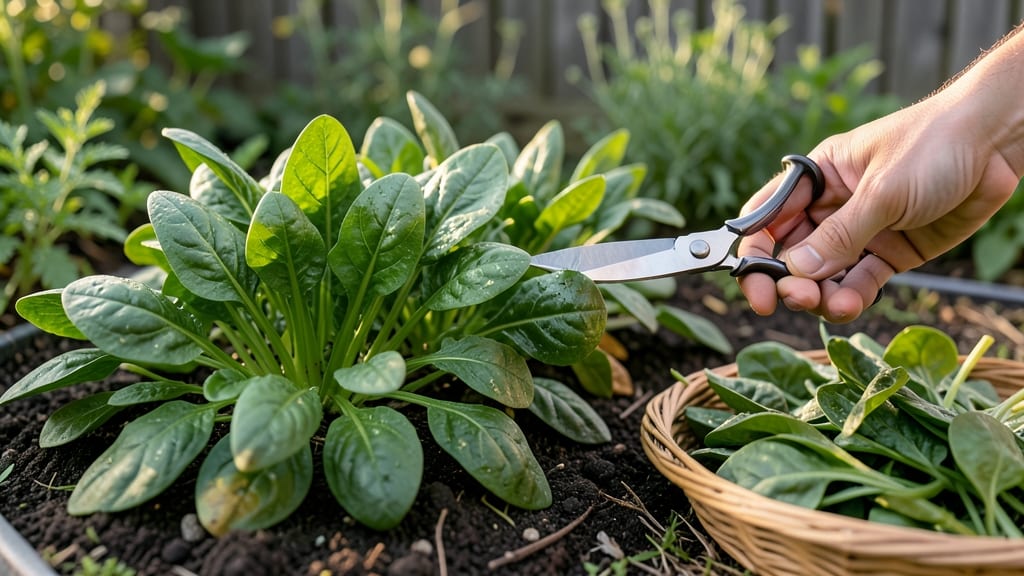
Harvesting spinach at the right time ensures tender leaves and a second flush of growth—miss it, and you’ll end up with tough, bitter greens.
Picture this: you’ve nurtured your 🌱 spinach for weeks, only to pull a handful of fibrous leaves that taste more like cardboard than fresh greens. That’s what happens when you wait too long.
The key is timing—picking leaves when they’re 4-6 inches long and still crisp, before they bolt or turn tough.
In Zone 6a, spring spinach is ready by April, while fall crops peak in October. But regional shifts matter: coastal areas can harvest a month earlier, while inland zones may need to adjust for heat.
I’ll break down the exact signs to watch for—like leaf size, stem tenderness, and even the color shift that signals it’s time to harvest.
Beyond just when to pick, I’ll show you how to harvest without sacrificing future growth. Spoiler: it’s all about selective cutting and spacing. By the end, you’ll know not just when to harvest, but how to keep your spinach producing for weeks longer.

Optimal spinach harvest time by growth stage and season
Getting your spinach harvest timing right transforms your garden from a few sad leaves to a continuous supply of tender greens. The key lies in understanding growth stages and how seasonal temperatures affect regrowth.
Baby spinach can be ready in just 30-45 days, while mature leaves take 50-60 days—but timing isn't one-size-fits-all.
Spring-planted spinach thrives in cool weather (50-70°F), while fall crops handle slightly cooler nights (40-60°F). Harvesting too early means small, bitter leaves, but waiting too long risks bolting—when spinach sends up flower stalks and turns tough.
Let me break down the perfect harvest windows for each stage and season.
| Harvest Stage | Days to Harvest | Leaf Size | Seasonal Window | Temperature Range | Regrowth Potential |
|---|---|---|---|---|---|
| Baby Spinach | 30-45 days | 2-4 inches | Spring/Fall | 50-70°F | High (cut outer leaves) |
| Mature Leaves | 50-60 days | 6-8 inches | Spring (April-May) | 55-65°F | Moderate (bolting risk) |
| Fall Regrowth | 45-55 days | 4-6 inches | Fall (Sept-Nov) | 40-60°F | High (cooler temps slow bolting) |
| Overmature | 60+ days | 8+ inches | Spring (June) | 70°F+ | Low (bolted, bitter) |
For baby spinach, aim to harvest when leaves reach 2-4 inches—this is your 30-45 day window. These tender leaves are perfect for salads and won’t regrow as robustly, but they’re ideal for quick harvests.
I’ve found that planting every 2 weeks in spring creates a staggered harvest, ensuring a steady supply.
Mature spinach leaves (50-60 days) should be 6-8 inches long and fully dark green. This is prime time for cooking or freezing, as the leaves are thicker and more flavorful.
In my garden, I harvest these in late April to early May when temperatures stay below 75°F—any hotter and you’ll trigger bolting.
Fall harvests work beautifully because cooler nights (40-60°F) delay bolting. Plant 8-10 weeks before your first frost for a second harvest window in September or October. I’ve extended my spinach season by 6 weeks using row covers to protect from early frosts.
Watch for bolting signs: long stems, yellowing leaves, or flower buds. Once this happens, the leaves become bitter and stringy. In warm climates, bolt-resistant varieties like 'Bloomsdale Long Standing' or 'Tyee' can give you 2-3 harvests per season if planted at the right time.
Pro tip: Harvest outer leaves first to keep the plant producing. This method works for both baby and mature spinach, encouraging continuous regrowth for up to 3 cuts per season. Just avoid cutting more than 1/3 of the plant at once to prevent stress.
Regrowth depends on temperature and soil nutrients. After harvesting, add compost or nitrogen-rich fertilizer to support new growth. I’ve seen spinach bounce back in 3-4 weeks with proper care, especially in cool fall conditions.
Regional differences matter too. In warmer climates (Zones 8-10), spinach bolts faster—aim for fall or winter harvests
How to harvest spinach without killing the plant: leaf-by-leaf techniques
Harvesting spinach the right way is all about selective cutting—never pulling the whole plant at once. The key is to remove outer leaves first, leaving the inner, younger leaves to keep growing.
This method ensures you get a steady supply of fresh greens while encouraging your spinach to regrow for multiple harvests over weeks.
I’ve learned the hard way that grabbing handfuls of leaves willy-nilly leads to stunted growth or even bolting. Instead, focus on one or two mature leaves per plant at a time. This approach mimics natural pruning, redirecting energy to the center where new leaves form.
For bolt-resistant varieties like 'Bloomsdale Long Standing,' you can even get three harvests per season if done correctly.
Before you start cutting, grab the right tools: a clean, sharp pair of scissors or pruning shears works best. Avoid using your fingers—it can damage the plant and spread disease. I also recommend wearing gardening gloves to protect your hands from soil and sap.
⚠️ Warning: Don’t Make These Harvest Mistakes!
- ❌ Cutting too close to the base—leave 1-2 inches of stem to avoid damaging the growing point.
- ❌ Harvesting in hot sun—leaves wilt faster; pick in morning shade for crispness.
- ❌ Ignoring spacing—plants need 4-6 inches apart; overcrowding stresses spinach.
- ❌ Skipping regrowth care—after harvest, add compost or nitrogen-rich fertilizer to fuel new growth.
These errors can turn your spinach into a bitter, woody mess instead of tender greens.
Start by identifying the largest, outermost leaves—these are ready to harvest. Gently grasp the leaf near its base and cut at a 45-degree angle, about an inch above the next set of leaves.
This angle helps water run off and prevents rot. For baby spinach, you can harvest the entire plant at once when leaves reach 3-4 inches, but mature spinach thrives with selective cutting.
After harvesting, inspect your spinach for signs of stress. If leaves look yellow or wilted, it’s a sign of overharvesting or underwatering. Boost recovery by watering deeply and mulching with straw to retain moisture.
In Zone 6a, I’ve found that a light application of fish emulsion after harvest encourages rapid regrowth.
For continuous harvests, space plants 6-12 inches apart in rows 12-18 inches apart. This gives leaves room to spread and reduces competition for nutrients. In containers, use pots at least 6 inches deep and plant 3-4 seeds per pot for a steady supply.
With proper spacing and care, you can enjoy fresh spinach for 6-8 weeks from a single planting.