
Picking
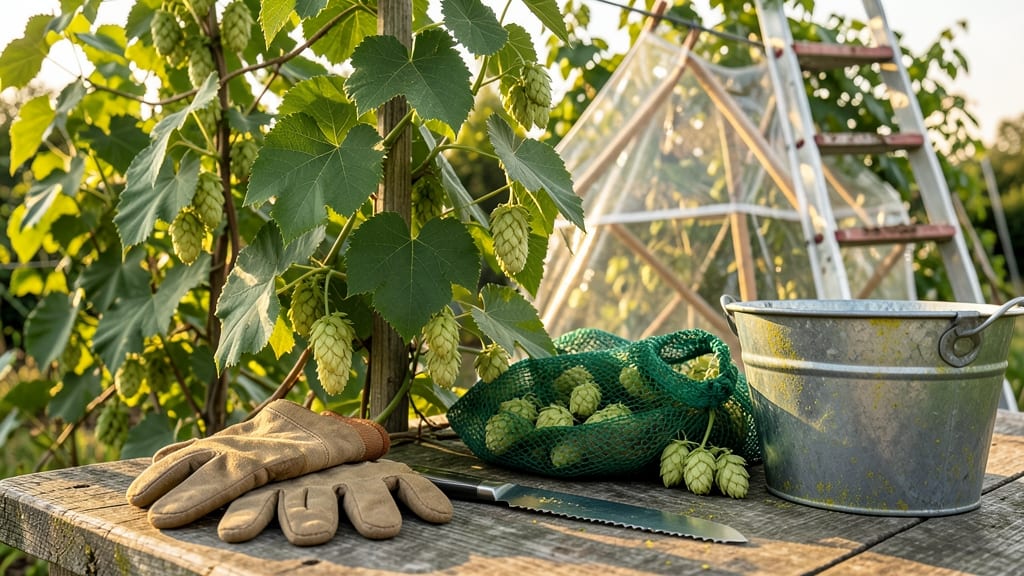
Harvesting hops at the right time ensures maximum alpha acids and aromatic quality 🌿 — the difference between a bitter disappointment and a rich, flavorful brew.
Timing your hops harvest perfectly can mean the difference between bitter disappointment and a rich, aromatic brew—here’s how to nail the exact moment for peak alpha acids and cone quality.
In Zone 6, where most home growers live, the ideal window stretches from late August to early October, but climate and variety play a huge role. Too early, and you miss the lupulin glands’ full development; too late, and mold or over-ripening ruins your yield.
Below, I’ll walk you through how to check cone color, test alpha acid levels, and adjust for regional differences—plus, what to do once you’ve got them safely dried and stored.

How to determine the best hops harvest time by alpha acids & cone development
Harvesting hops at the right moment ensures your brew has the perfect balance of bitterness and aroma. The key lies in monitoring alpha acids and cone maturity.
Alpha acids, which contribute to bitterness, peak during mid-maturity, while cone color shifts from green to golden-brown. Missing this window means underripe or overripe cones that ruin flavor profiles.
Start by checking cone color—green cones are unripe, while golden-brown cones signal readiness. Look for lupulin glands, the yellow resinous bumps on cones, which indicate optimal bitterness. These glands are most abundant when cones turn papery and easily detach from the bine with gentle pressure.
Use a refractometer or alpha acid testing kit to measure ripeness scientifically. Most hop varieties peak between 4% and 12% alpha acids, depending on the cultivar. For example, Cascade hops typically reach peak bitterness at 5-7% alpha acids, while Citra hops may peak higher at 10-12%.
Environmental factors like temperature and humidity also play a role. Cooler nights and dry conditions slow ripening, while hot, humid days can accelerate it. If rain is forecasted, harvest early to avoid moldy cones. Conversely, if frost threatens, pick sooner to salvage your crop.
| Maturity Stage | Cone Color | Alpha Acids % | Lupulin Glands | Detachment Test | Harvest Readiness |
|---|---|---|---|---|---|
| Green | Bright green | Low (1-3%) | Minimal | Firm attachment | Not ready |
| Yellow | Yellow-green | Moderate (4-8%) | Visible | Partial detachment | Nearly ready |
| Brown | Golden-brown | Peak (5-12%) | Abundant | Easy detachment | Ready to harvest |
| Overripe | Dull brown | Declining | Diminished | Crumbly | Avoid |
Don’t wait for perfect conditions—hops ripen quickly, and delaying harvest risks mold or alpha acid degradation. If cones turn brown but still have abundant lupulin, they’re ready. However, if they become dry and papery without enough lupulin, they’ve passed their prime.
For home growers, a simple hand test works: pinch a cone gently. If it crumbles easily, it’s overripe. If it resists but releases with slight pressure, it’s ideal. Combine this with alpha acid testing for precision, especially if you’re growing high-alpha varieties like Galena or Simcoe.
Environmental stress, like drought or heatwaves, can accelerate ripening. Monitor your hops closely during these conditions, as cones may mature faster. Conversely, cool, cloudy weather slows ripening, so adjust your expectations accordingly. Always prioritize cone color and lupulin visibility over calendar dates.
Once you’ve confirmed ripeness, harvest on a dry, sunny day to prevent mold. Cut cones with clean pruners and handle them gently to avoid bruising. Immediately dry them in a well-ventilated space with low humidity (below 60%) to preserve quality. Proper drying locks in
Regional hops harvest timing: when to pick in different climates
Hops harvest timing varies dramatically across the U.S., influenced by latitude, altitude, and microclimates. In cooler regions like the Pacific Northwest, harvest peaks in late August to September when days grow shorter and temperatures drop.
Meanwhile, warmer Southern climates like Florida or California often see harvests as early as July to early August, thanks to extended growing seasons.
Even within a single state, elevation changes can shift harvest windows by weeks. High-altitude gardens in Colorado’s Rocky Mountains may harvest 2-3 weeks later than lowland areas, while coastal regions benefit from milder temperatures that delay cone maturation.
Understanding your USDA hardiness zone is the first step in predicting your ideal harvest window.
| Region | USDA Zone | Peak Harvest Window | Key Climate Factors |
|---|---|---|---|
| Pacific Northwest (WA, OR) | 6-8 | Late August - Early September | Cool summers, high humidity, shorter days |
| Midwest (MN, WI, MI) | 4-6 | Mid-September - Early October | Variable temperatures, early frosts |
| Southern U.S. (TX, FL, GA) | 8-11 | July - Early August | Hot summers, long growing season |
| Mountain West (CO, UT) | 5-7 | Late August - Mid-September | High altitude delays maturity |
| Northeast (NY, PA, VT) | 5-7 | Early September - Mid-October | Humid summers, early frost risk |
For home growers, microclimates can create harvest windows that don’t match regional averages. A sunny south-facing slope in Zone 6 might harvest cones 2 weeks earlier than a shaded valley just a mile away. Pay attention to nearby commercial hop farms—their harvest schedules often reflect local conditions accurately.
If you’re unsure about your exact harvest window, monitor cone color changes and lupulin gland development as your primary indicators. These visual cues often override calendar-based predictions, especially in transition zones like the Midwest where weather patterns fluctuate wildly.
A handheld refractometer can also help track alpha acid percentages for precise timing.
Remember that late harvests risk cone shattering and mold, while early harvests produce bitter, underdeveloped flavors. Balancing these factors with your local climate data ensures you’ll capture peak cone quality every season. 🌿
Pro tip: Keep a harvest journal for at least 3 years to refine your timing based on your specific microclimate. Note when cones reach golden-brown color and 70-80% maturity—this becomes your personal benchmark for future seasons. ✂️