
Vegetables
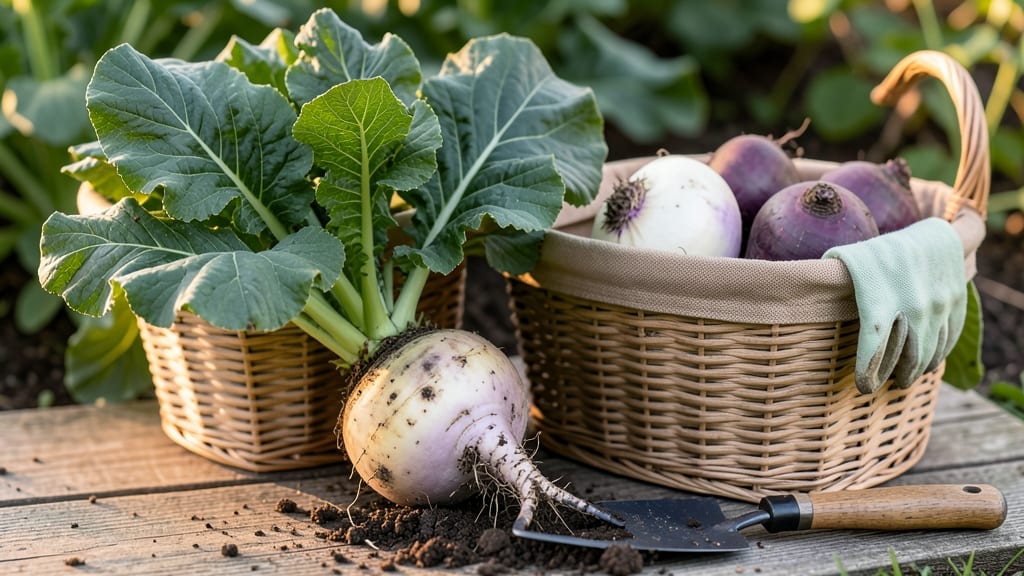
Harvesting turnips at the right time means the difference between a tender, sweet root and one that’s tough and bitter—so timing is everything for your 🥬 crop.
Picture this: you’ve nurtured your turnips all season, only to pull them too late and end up with woody, pungent roots. Or worse, you harvest too early and miss out on their full flavor.
The key is watching for those telltale signs—yellowing leaves and roots swelling to 2-3 inches—before they bolt or turn fibrous.
In Zone 6a, your best windows are late spring (May-June) and fall (October-November), when cool weather keeps them crisp. But don’t wait until the greens fully collapse—pull them when the roots are firm and the tops start wilting, or you’ll regret it.
Below, I’ll break down exactly how to spot the perfect harvest moment, whether you’re after roots or greens, plus storage tips to keep them fresh long after the garden’s done.

When to harvest turnips: leaf yellowing & root swelling signs
Turnips are one of those versatile vegetables where timing your harvest makes all the difference. Harvest too early, and you’ll get tiny roots with minimal flavor. Wait too long, and your turnips turn woody and bitter.
The key lies in watching for two visual cues: leaf yellowing and root swelling. These signs tell you exactly when to pull your turnips for the best texture and taste.
Turnips thrive in cool weather, which means your harvest window depends on your planting season. If you planted in early spring, expect to harvest between May and June.
For fall plantings, aim for harvests in October or November. Understanding these seasonal variations helps you plan ahead and avoid missing the perfect harvest moment.
Here’s a quick reference to help you spot the ideal harvest time:
Don’t overlook the turnip greens—they’re edible too! You can harvest them 3-4 weeks after planting when they’re about 6 inches tall. This gives you a dual harvest: tender greens for salads and roots for roasting or mashing.
Just be sure to leave the outer leaves to keep the root growing if you’re harvesting greens first.
One common mistake is waiting until the leaves are completely yellow and crispy. By then, the root may have become woody and tough. Instead, look for partial yellowing—about 30-50% of the leaves should show color changes.
This is your cue that the root is ready for harvest while still tender.
If your turnips are planted in containers or raised beds, check their readiness more frequently since they mature faster in confined spaces. Container-grown turnips can be ready in as few as 40 days, so stay vigilant.
Use a gardening trowel to gently loosen the soil around the roots before pulling to avoid damaging nearby plants.
After harvesting, store turnips in a cool, dark place like a root cellar or refrigerator. They’ll keep for 2-3 weeks if stored properly. For longer storage, consider freezing or fermenting your harvest. The key is to act quickly once you spot those yellowing leaves and swollen roots—timing is everything!
Pro tip: If you’re unsure whether your turnips are ready, dig up one and check the root. A crisp, white interior means it’s perfect for eating. If it’s dry or fibrous, it’s past its prime. This quick test saves you from harvesting too early or too late.
🌱
Turnip harvest mistakes that ruin your crop (and how to avoid them)
Harvesting turnips at the wrong time or mishandling them after pulling can turn your crisp, sweet roots into bitter, woody disappointments. I’ve learned the hard way that over-maturity, rough handling, and poor storage are the top culprits behind ruined turnip harvests.
Let’s dive into the mistakes I’ve made—and how you can avoid them to keep your turnips tasting fresh and vibrant.
One of the biggest mistakes gardeners make is waiting too long to harvest. Turnips left in the ground past their prime develop woody textures and bitter flavors, making them inedible. Even worse, they can split open or rot if the soil stays too moist.
I once left my turnips in for weeks, thinking they’d just get bigger—only to pull out a pile of tough, stringy roots that tasted like cardboard.
Turnips are best harvested when roots are 2-3 inches wide and leaves start yellowing. Waiting until they’re larger than 3 inches risks bitterness and woody texture. Harvesting too early (roots under 1.5 inches) means smaller yields and less storage life.
Another common mistake is using the wrong harvesting technique. Yanking turnips out of the soil by their greens can damage the roots and leave them vulnerable to rot. Instead, use a garden fork or your hands to loosen the soil around the root first.
Gently grasp the greens near the base and twist or pull upward—this helps preserve the root’s integrity and keeps it intact for storage.
Improper storage is another silent killer of turnip quality. Storing harvested turnips in plastic bags or at room temperature speeds up spoilage. Instead, keep them in a perforated plastic bag in the crisper drawer of your fridge, where they’ll stay fresh for 2-3 weeks.
I once stored mine in a sealed container and came back to find moldy, slimy roots—definitely not a flavor I wanted!
Don’t forget about the greens! Harvesting turnip greens too late can make them tough and bitter, but cutting them back too early reduces your yield. I’ve found that harvesting the outer leaves first (when they’re about 4-6 inches tall) lets the inner leaves keep growing.
This way, you get multiple harvests of tender greens without sacrificing the root’s development.
Finally, avoid harvesting turnips after a hard frost, even if they look ready. Frost can turn the roots soft and mushy, ruining their texture. If a frost is forecasted, harvest your turnips a few days early and store them properly.
I’ve had to toss entire batches because I ignored this warning—don’t make the same mistake!
By avoiding these common turnip harvest mistakes, you’ll enjoy crisp, sweet roots and flavorful greens all season long. Happy harvesting—your taste buds will thank you! 🥬