
How To
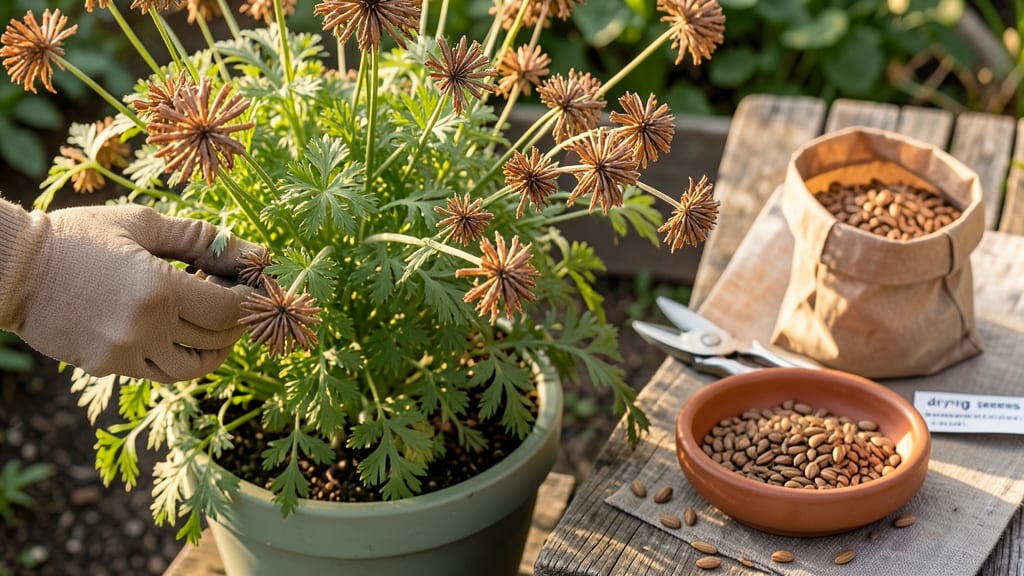
Harvesting coriander seeds means waiting for those delicate white flowers to mature into flavorful, aromatic pods—but timing is everything.
Picture this: you’ve nurtured your 🌿 coriander from seed, watching it bolt and bloom, only to realize the pods are either still green or already scattering across your garden.
That’s the moment you wish you’d known exactly when to act. The difference between a bountiful harvest and a missed opportunity often comes down to recognizing the right cues.
Most gardeners focus on leaf harvests, but coriander’s true magic lies in its seeds—packed with warmth and earthiness that elevate curries, pickles, and more. Yet, many skip this step entirely, assuming it’s too tricky or time-consuming.
The truth? With the right approach, you can turn your spring plants into a pantry staple without the guesswork.
In this guide, I’ll walk you through the exact signs to look for, the best methods to dry and store your seeds, and how to avoid common mistakes that turn a promising harvest into a frustrating loss. Ready to unlock the full potential of your coriander?
When and how to identify ripe coriander seed pods
Identifying the perfect moment to harvest coriander seed pods is all about watching for visual maturity cues and understanding your plant’s lifecycle. Unlike leaf harvesting, seed pods require dry, brown pods that rattle when shaken—a clear sign they’re ready.
Miss this window, and you’ll lose seeds to premature shattering, while harvesting too early means bland, underdeveloped seeds.
Start by observing the flowering stage of your coriander plant. After the delicate white flowers bloom, small green seed pods form. These pods are your harvest indicators, but they need time to mature.
The transition from green to brown marks the critical phase—this is when you’ll need to act quickly to capture the seeds at peak flavor and potency.
Here’s the key: ripe coriander seed pods turn a uniform brown color and develop a papery texture. When you gently shake a pod, you’ll hear a faint rattling sound from the seeds inside.
This is your cue that the seeds are fully mature and ready for harvest. If the pods are still green or only partially brown, they’re not ready yet.
| Stage | Pod Color | Texture | Seed Sound | Action |
|---|---|---|---|---|
| Early Flowering | Green | Firm | None | Wait for pods to mature |
| Mid-Maturity | Green-Brown | Slightly Soft | No Rattle | Monitor daily |
| Ripe & Ready | Fully Brown | Papery, Dry | Rattles | Harvest immediately |
| Overripe | Dark Brown | Brittle | Shatters Easily | Seeds lost |
Differentiating between seed-ready and leaf-ready coriander plants is simple: focus on the flower stalks. If your plant is producing white flowers and developing pods, it’s shifting from leaf production to seed production.
At this stage, the leaves will start to yellow and bolt, signaling it’s time to prioritize seed harvesting over leaf picking.
To avoid premature harvesting, perform a daily inspection of your pods. Use your fingers to gently squeeze a pod—if it feels dry and the seeds inside are dark brown and firm, they’re ready.
If the seeds are still light-colored or the pod feels moist, wait another day or two. Patience here ensures you capture the full flavor potential of your coriander seeds.
Another pro tip: harvest on a dry, sunny morning when the pods are at their driest. This reduces the risk of mold or spoilage during drying. Cut the entire seed stalk with a clean pair of scissors or pruners, leaving about 2 inches of stem attached.
This makes it easier to handle and dry the pods without damaging them.
Once you’ve harvested, the next step is drying the pods properly. Lay them out in a single layer on a tray lined with parchment paper, or hang the stalks upside down in a well-ventilated area away from direct sunlight.
This prevents overheating and ensures even drying. With the right timing and care, you’ll end up with high-quality coriander seeds ready for storage or culinary use.
Remember, the ideal harvest window for coriander seeds is typically 75-90 days after planting, depending on your climate. In cooler regions, this might extend to late fall, while warmer climates may see earlier harvests. Always keep an eye on your plants and adjust your harvesting timeline accordingly.
By mastering these visual cues and following this step-by-step inspection process, you’ll never miss the perfect moment to harvest your coriander seed pods again. Happy harvesting! 🌾
Step-by-step guide to harvesting and drying coriander seeds
Once your coriander plants bolt and flower, the real magic happens—the transformation into aromatic seeds. But harvesting them requires precision to avoid wasting your hard work. The key is to cut stems at the right time and dry them properly to preserve those flavorful seeds for future planting or cooking.
Let’s break it down into simple, actionable steps so you can maximize your harvest.
Start by selecting fully mature seed pods—they should be completely brown and dry to the touch. If you wait too long, the pods will shatter, scattering seeds everywhere. The goal is to harvest just before this happens, ensuring you capture every seed.
With the right technique, you’ll end up with a bounty of seeds ready for drying and storage.
How to Harvest Coriander Seeds
- 1 Cut the stems: Use clean, sharp pruning shears to snip the flower stalks just above the leafy growth. Avoid damaging the plant to encourage more seed production.
- 2 Bundle the stalks: Gather 5-10 stalks together and tie them with twine or rubber bands. Hang them upside down in a dry, well-ventilated spot, like a garage or shed, away from direct sunlight.
- 3 Dry for 1-2 weeks: Allow the stalks to dry completely until the seed pods turn crispy and rattle when shaken. This can take 10-14 days, depending on humidity levels.
- 4 Remove the seeds: Once fully dry, gently rub the seed pods between your fingers or use a clean cloth to release the seeds. Discard any remaining empty pods.
- 5 Store the seeds: Place the seeds in a paper bag or airtight container and store them in a cool, dark place for up to 2 years. Label them with the harvest date for future reference.
If hanging isn’t an option, you can also dry the seed pods in paper bags. Simply place the cut stalks in a bag with a few holes for airflow, then store them in a warm, dry spot.
Check them daily to ensure they don’t mold. This method works well for smaller harvests or indoor drying.
After drying, you’ll want to separate the seeds from the dried pods. One easy way is to place the pods in a clean cloth or paper bag and gently shake or rub them.
The seeds will fall out while the empty pods stay behind. For larger quantities, you can also use a seed-saving screen to speed up the process.
Finally, store your coriander seeds in a cool, dry place to maintain their viability. A glass jar or paper envelope works well, but avoid plastic if possible—it can trap moisture and lead to mold. Proper storage ensures your seeds stay fresh and ready for next season’s planting.