
How To
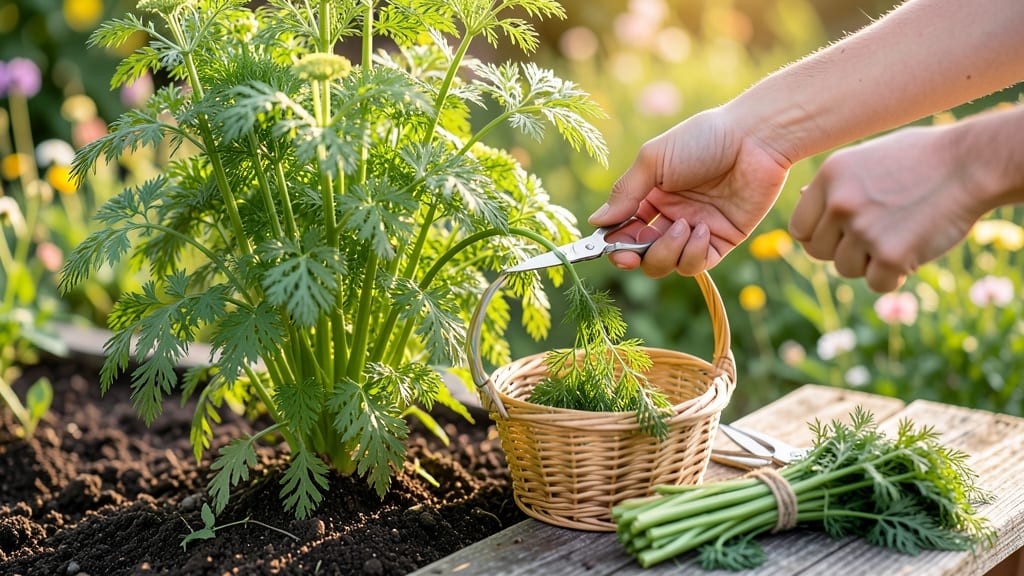
Harvesting dill for pickles at the right time ensures your jars pack that signature tangy, fresh flavor 🌿 — and skipping this step means bland, bitter, or woody-tasting results.
Nothing beats the tangy, crisp flavor of homemade pickles—except maybe the frustration of overharvesting dill too early or too late. Timing your dill harvest correctly ensures your pickles get that perfect, aromatic punch without bitterness or blandness.
If you’ve ever pulled a wilted stem or picked flowers instead of leaves, you know how quickly things go wrong. The key is cutting dill before it flowers but after the leaves are fully unfurled—typically 60 days after planting in zone 6a.
In this guide, I’ll walk you through the exact steps to harvest dill for pickles, from recognizing the perfect moment to storing your bounty so it stays fresh until jar time. Ready to nail that briny, bright flavor?
When to harvest dill for pickles: ideal growth stages for maximum flavor
Harvesting dill at the right time transforms your pickles from bland to bursting with aromatic flavor. The key lies in understanding your plant's growth stages—especially the critical window between leaf development and flowering.
If you harvest too early, your dill will lack intensity; too late, and bitterness creeps in. Let's break down the ideal timing and visual cues to ensure your dill is perfect for pickling.
Dill plants typically reach harvest readiness 45 to 60 days after sowing, but this varies based on your climate and variety. For the best pickle flavor, aim to harvest when the plant is 6 to 12 inches tall and the leaves are fully unfurled but still tender.
This stage ensures maximum essential oils—those compounds responsible for dill's signature taste. Waiting until flowers bloom means your dill will taste bitter and woody, ruining your pickle project.
Here’s how to spot the perfect harvest window: Look for firm stems and aromatic leaves that release a strong fragrance when crushed. The plant should also show early signs of flower buds forming but not yet blooming.
These visual cues confirm your dill is at its peak flavor, ready to be bundled for pickling. Ignoring these signs often leads to overharvesting or underharvesting, both of which affect taste.
| Growth Stage | Plant Height | Leaf Condition | Flower Stage | Harvest Readiness |
|---|---|---|---|---|
| Early Growth | Under 6 inches | Tightly curled | None | Not ready |
| Ideal Harvest | 6-12 inches | Fully unfurled, tender | Budding (not blooming) | Perfect for pickles |
| Late Growth | Over 12 inches | Woody stems, tough leaves | Blooming | Bitter, avoid |
Harvesting dill too early—when leaves are still curled—results in mild, underdeveloped flavor. Your pickles will taste weak and lack the characteristic dill aroma. On the other hand, harvesting too late, after flowers bloom, introduces bitterness and a grassy note that overpowers the delicate balance of a good pickle.
The sweet spot is when your dill is tall enough to bundle but hasn’t yet flowered, ensuring a bold, fresh flavor that stands up to vinegar and spices.
Pro tip: If your dill starts flowering before you’re ready to harvest, don’t panic. You can still use it for pickles, but expect a milder flavor. For future batches, consider planting two successive crops—one in early spring and another in late spring—to extend your harvest window.
This strategy ensures you always have fresh, flavorful dill when you need it, regardless of the season.
Pay attention to the time of day you harvest as well. Early morning is ideal because the essential oils in dill are most concentrated after a cool night. Harvesting in the heat of the day can cause the oils to evaporate, dulling the flavor.
Always use clean, sharp scissors or pruning shears to avoid crushing the stems, which can also reduce flavor intensity.
Once you’ve harvested your dill, handle it with care to preserve its freshness. Bundle stems together with a rubber band and store them in the refrigerator’s crisper drawer for up to a week.
For longer storage, dry the dill by hanging bundles upside down in a dark, well-ventilated area until the leaves are crisp. Dried dill retains flavor for months, making it a great backup for future pickle batches.
Understanding your dill’s growth stages isn’t just about timing—it’s about respecting the plant’s natural cycle. By recognizing the signs of readiness and acting at the right moment, you’ll ensure your pickles have that unmistakable, bright dill flavor that makes homemade pickles worth the effort.
Next time you’re prepping for a pickle run, keep these cues in mind for a foolproof harvest.
Remember, the best dill for pickles is fresh, aromatic, and harvested at the peak of its flavor. With these tips, you’ll never settle for store-bought again—your homemade pickles will be the talk of the table. Happy harvesting! 🌿
Step-by-step dill harvesting techniques for perfect pickle bundles
Harvesting dill at the right time and using the proper techniques ensures your homemade pickles pack that bright, tangy flavor. The difference between bitter and aromatic dill often comes down to how you harvest and handle it.
Whether you're cutting whole stems or plucking individual leaves, follow these steps to keep your dill fresh and flavorful until pickling day.
For the best results, focus on harvesting young, tender dill stems before the plant begins flowering. Once dill flowers, its flavor becomes more bitter and less ideal for pickling.
Use sharp, clean scissors or pruning shears to avoid damaging the plant, and always harvest in the morning when the essential oils are at their peak.
If you prefer using individual leaves instead of whole stems, pluck them gently from the plant, avoiding the tougher stems. For maximum flavor, harvest leaves in the morning and use them immediately or store them in an airtight container lined with a damp cloth.
This method works well for smaller batches of pickles or when you only need a handful of leaves.
To extend the shelf life of your harvested dill, consider freezing it. Rinse the stems, pat them dry, and wrap them in a damp paper towel before placing them in a freezer bag.
Frozen dill retains its flavor for up to 3 months, making it a great option for future pickle batches.
Remember, the key to perfect pickle bundles lies in timing and handling. Harvest your dill when it's young and tender, and store it properly to preserve its vibrant flavor until you're ready to pickle.
With these techniques, you'll be well on your way to creating pickles that burst with fresh, aromatic dill.