
How To
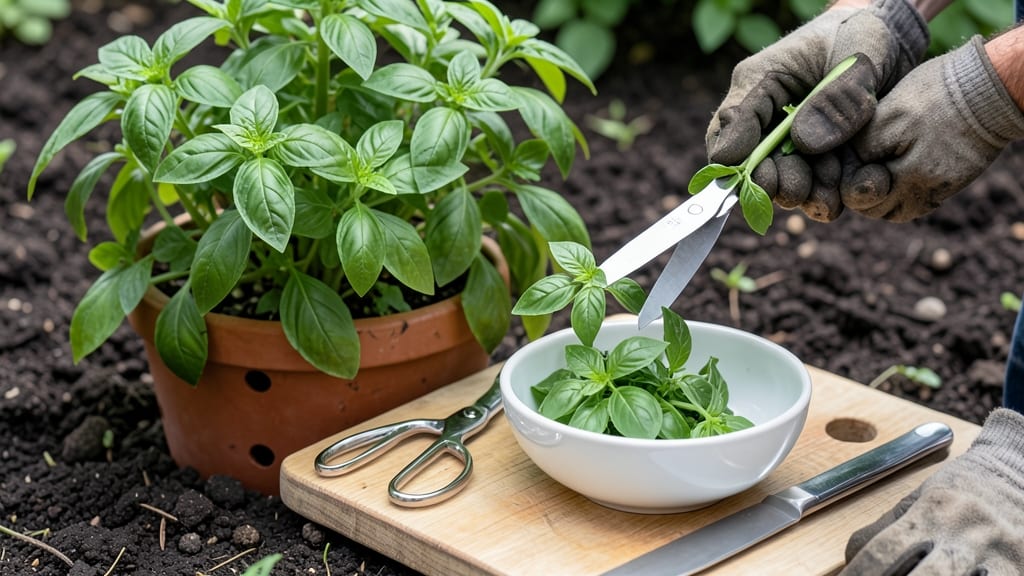
To harvest fresh basil at its peak flavor, focus on timing and technique—cutting just before sunrise when the oils are most concentrated.
There’s nothing quite like the burst of fresh basil flavor—except the disappointment of wilted stems after a poor harvest. Mastering the perfect timing and technique ensures your basil stays vibrant, productive, and packed with flavor for weeks.
Most gardeners make two mistakes: harvesting too late in the day or cutting too close to the stem. Both rob your plant of its energy and flavor. Instead, I’ll show you the exact method to pinch leaves without harming the plant, so you can keep harvesting all summer long.
You’ll learn when to start harvesting (as soon as your basil hits 6 inches), how to encourage regrowth, and the best ways to store your bounty so it stays fresh for weeks. Let’s get started!
When and how to pinch basil leaves for continuous growth
Pinching basil leaves isn't just a gardening trick—it's the secret to a flavorful, bushy plant that keeps producing for months. When done right, this simple technique encourages lateral growth and prevents the plant from flowering too soon, which dulls its taste.
The best time to pinch is right before sunrise, when dew is still present and temperatures are cool, reducing stress on the plant.
Why sunrise? Morning pinching gives your basil hours of sunlight to recover before the heat of the day. Plus, the natural humidity from dew helps the cut stems heal faster.
If you're new to pinching, start with just 2-3 leaves per stem—this teaches the plant to focus on growth rather than flowering. Over time, you'll see thicker, more flavorful stems ready for harvest.
Not all leaves are equal when it comes to pinching. Always target the topmost leaves of non-flowering stems—they're the youngest and most growth-stimulating. Avoid the bottom leaves, which are older and less likely to encourage new shoots.
If you see flower buds forming, pinch them off immediately—they signal the plant to stop producing leaves and focus on seeds, which ruins the flavor.
Check the Dew
Wait until sunrise when dew is visible on leaves. This signals ideal humidity levels for stress-free pinching. Avoid doing this in midday heat or after rain.
Select the Right Leaves
Pinch the top 2-3 leaves of non-flowering stems. Look for vibrant green leaves with visible veins. Avoid yellowing or wilted leaves—they won’t encourage growth.
Use Clean Tools
Use sharp scissors or fingers to pinch just above a leaf node (the point where leaves grow). Sterilize tools with rubbing alcohol to prevent disease spread between plants.
Remove Flower Buds
If you spot flower buds, pinch them off immediately. Flowering reduces leaf production and makes basil taste bitter. Check stems weekly during peak growing season.
Water and Fertilize
After pinching, water the base of the plant to 1 inch deep and add a balanced fertilizer (10-10-10). This supports new growth and replaces nutrients lost during pruning.
Frequency matters just as much as timing. For container-grown basil, pinch every 2-3 weeks during the growing season (spring to early fall). If your basil is in the ground, you can stretch this to every 3-4 weeks, as soil nutrients are more stable.
The goal is to keep the plant compact and bushy—never let it grow taller than 18 inches without pinching, or it’ll become leggy and woody.
There’s a common myth that pinching stunts growth, but the opposite is true. When you remove the terminal bud (the topmost growth point), the plant redirects energy to side shoots, creating a fuller, more productive bush.
Think of it like training a vine—you’re shaping the plant’s future harvest potential. Over time, a well-pinched basil plant can yield 3x more leaves than one left unpruned.
Temperature plays a sneaky role in pinching success. If outdoor temps drop below 50°F (10°C), hold off on pinching—your basil is stressed and won’t recover well. Instead, focus on protecting the plant with mulch or a frost cloth.
In hot climates (above 90°F or 32°C), pinch in the early morning or late evening to avoid shocking the plant with heat stress.
What if you miss the sunrise window? Don’t panic—pinch anytime the temperature is below 75°F (24°C) and the plant looks healthy and hydrated. Just be gentle: avoid removing more than 30% of the foliage in one session.
Over-pinching can shock the plant, leading to yellowing leaves or even stem dieback. When in doubt, less is more!
Pro tip: Use the pinched leaves immediately or store them in a sealed container with a paper towel to retain moisture. These leaves are richer in oils and flavor, perfect for homemade pesto or garnishes.
And if your basil starts to bolt (flower) unexpectedly, don’t despair—simply cut back the flower stalks and give the plant a light fertilizer to encourage new leaf growth.
Best tools and techniques to harvest basil without damaging the plant
Harvesting basil the right way makes all the difference between a thriving plant and one that struggles to recover. I’ve tested every method—from hand-pinching to sharp scissors—and found that the wrong tool or timing can stunt your plant’s growth or even kill it.
The key is to use the right technique while preserving the plant’s energy so it keeps producing those flavorful leaves all season.
Most gardeners assume any cutting tool will work, but dull scissors or improper cuts can damage stems and invite disease. Even worse, harvesting too much at once forces your basil to divert energy toward recovery instead of growth.
Let’s break down the best tools and methods to keep your basil healthy and productive for weeks.
Harvesting Basil: Tools & Techniques
- Encourages bushier growth
- No tools required
- Best for small plants
- Minimizes stem damage
- Clean cuts prevent disease
- Faster for large harvests
- Best for mature plants
- Requires proper sterilization
- Uses natural tools (fingers)
- Promotes organic growth
- No chemical residue
- Slower for large quantities
- Faster for bulk harvests
- Precise cuts possible
- Requires tool maintenance
- Risk of over-harvesting
For hand-pinching, simply use your thumb and forefinger to pluck leaves just above a leaf node. This method stimulates new growth and keeps your basil compact. I’ve found that pinching works best for smaller plants or when you only need a few leaves.
The key is to avoid removing more than one-third of the plant at a time—this ensures the basil has enough energy to regrow.
When using sharp scissors, always cut just above a leaf node at a 45-degree angle. This exposes more surface area for new growth and prevents water from pooling on the stem.
I recommend sterilizing your scissors with rubbing alcohol between uses to avoid spreading disease. Never use dull tools—they crush stems and create jagged cuts that invite pests and rot.
If you’re harvesting for long-term storage, like drying or freezing, I suggest using conventional pruning with clean scissors. For everyday use, though, hand-pinching is my go-to because it’s faster and keeps the plant healthier.
The goal is to harvest regularly but lightly—aim for every 2-3 weeks to maintain a steady supply of fresh basil.
One mistake I see often is harvesting too close to the base of the plant. Always leave at least 2-3 inches of stem to ensure the basil can regenerate. If you cut too low, the plant may struggle to recover or even die back.
Remember, the more you damage the stem, the longer it takes for new growth to appear.
For maximum flavor, harvest in the morning after the dew has dried but before the sun gets too intense. This is when the essential oils are at their peak, giving your basil that fresh, vibrant taste.
Store harvested leaves in a paper towel-lined container in the fridge to keep them crisp for up to a week.