
How To
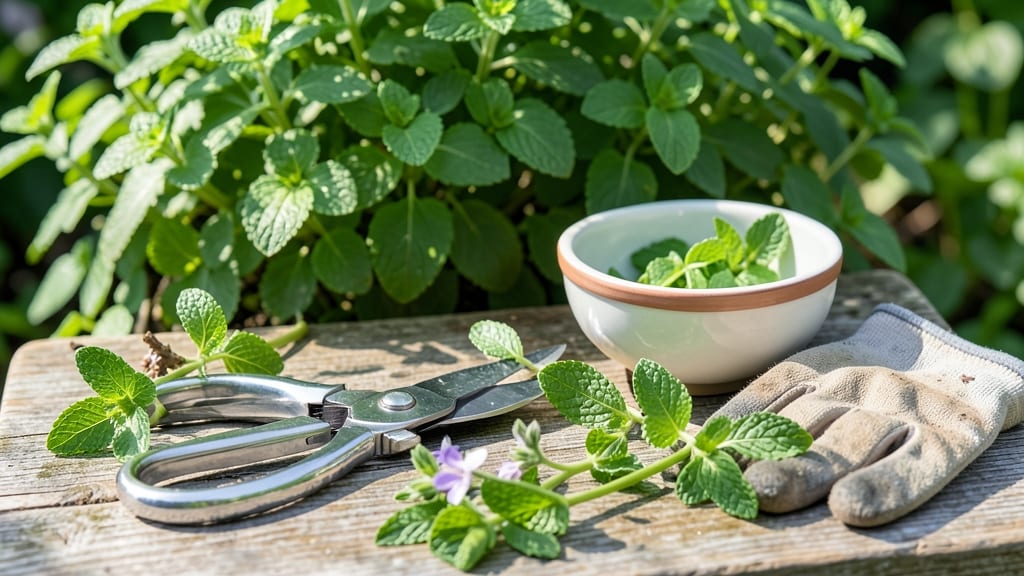
To harvest fresh mint at its peak flavor, aim for leaves that are 3-4 inches long—this is when their aroma and taste hit their sweet spot.
Fresh mint isn’t just a culinary staple—it’s a powerhouse of flavor and aroma, but harvesting it at the right time can make all the difference between good and extraordinary.
If your mint plant is thriving, knowing when and how to harvest ensures you get the most vibrant, aromatic leaves for teas, cocktails, and cooking.
Timing matters more than you might think: harvest too early, and the leaves lack potency; wait too long, and the plant can become leggy or even flower, which dulls the flavor.
Below, I’ll walk you through the best methods to trim mint without harming the plant, plus tips to keep your harvest fresh for weeks.
You’ll also discover how to store your harvest—whether you’re freezing it for winter mojitos or drying bundles for year-round use—so nothing goes to waste. Let’s dive in!
When to harvest mint leaves for maximum flavor and growth
Harvesting mint at the right time isn’t just about getting fresh leaves—it’s about unlocking the boldest flavor and ensuring your plant stays healthy and bushy.
The ideal harvest window for mint is when leaves reach 3-4 inches tall, a stage where their aromatic oils peak and the plant has enough energy to regrow. Skipping this timing can leave you with weaker-tasting leaves or even stunt your plant’s growth.
Mint plants thrive on regular pruning, but over-harvesting can stress them, leading to sparse foliage or even flowering too soon. Flowers may appear, but they signal the end of the leaf-producing cycle—so snip them off if you want more leaves.
Understanding these cues helps you balance harvest frequency with plant vitality.
- 1 Check leaf size: Wait until leaves reach 3-4 inches for peak flavor and aroma.
- 2 Look for vibrant color: Leaves should be deep green and crisp, not yellowing or wilted.
- 3 Test the scent: Crush a leaf—if it releases a strong minty aroma, it’s ready for harvest.
- 4 Avoid over-harvesting: Never take more than 1/3 of the plant at once to prevent stunting.
- 5 Remove flowers: If you see flower buds, snip them off to redirect energy back to leaf growth.
The science behind mint’s flavor lies in its volatile oils, which develop fully when leaves reach maturity. Harvesting too early means milder flavor, while waiting too long can lead to bitter or woody notes.
I’ve found that harvesting in the morning, after dew has dried but before the heat of the day, preserves the brightest aroma and crispest texture.
Seasonal timing also matters. In mild climates, mint grows year-round, but in colder regions, harvest from late spring to early fall for the best results. If your plant slows down in winter, reduce harvesting to avoid stressing the roots during dormancy.
Even in ideal conditions, never harvest more than 30% of the plant at once—this keeps it compact and productive.
Over-harvesting shows up in tell-tale signs: bare stems, yellowing leaves, or a plant that bolts to flower prematurely. If you notice these, cut back on harvesting and focus on reviving the plant with extra water and a balanced fertilizer.
A healthy mint plant can bounce back, but pushing it too hard risks permanent damage.
To encourage bushier growth, always harvest from the top third of the plant. This prompts new shoots to grow from the lower stems, creating a fuller, more productive plant.
I like to use clean, sharp scissors or pruning shears to make clean cuts just above a leaf node. This method keeps the plant looking neat while stimulating regrowth.
If your mint plant starts to flop or sprawl, it’s a sign it’s overcrowded or needs more support. Stake it lightly or trim back overgrown stems to improve airflow and reduce disease risk.
A well-maintained mint plant can produce harvests every 4-6 weeks if cared for properly, giving you a steady supply of fresh, flavorful leaves.
Pro tip: If you’re growing mint in containers, harvest even more frequently—this prevents roots from becoming root-bound and encourages denser foliage. Just ensure the container has drainage holes to avoid waterlogged soil, which can rot the roots and weaken the plant.
By mastering the art of timing, you’ll enjoy mint that’s not just fresh, but bursting with flavor—ready for everything from homemade teas to garden-fresh garnishes. Happy harvesting! 🌿
Step-by-step guide to harvesting mint without damaging the plant
Harvesting mint correctly is key to keeping your plant healthy and productive. When done right, you’ll get vibrant, flavorful leaves while encouraging bushier growth. The secret lies in timing and technique—avoid over-harvesting or cutting too close to the base, which can stress the plant.
With the right approach, you’ll enjoy a steady supply of fresh mint all season long.
Before you begin, gather your tools: a pair of clean, sharp pruning shears or your fingers for hand-picking. Avoid dull scissors, as they can crush stems and invite disease.
Harvesting in the morning after dew dries ensures leaves are dry and ready for use, preserving their aromatic oils for longer. Now, let’s dive into the step-by-step process.
How to Harvest Fresh Mint
-
Step 1: Identify Ready Leaves
Look for leaves that are 3-4 inches long and fully vibrant green. Crush a leaf to check for a strong minty aroma—this confirms peak flavor. -
Step 2: Choose Your Method
For small batches, use your fingers to pinch leaves just above a leaf node (where new growth emerges). For larger harvests, use clean pruning shears to snip stems at a 45-degree angle. -
Step 3: Trim Strategically
Avoid cutting more than one-third of the plant at once. Focus on the outer stems to encourage new growth from the center. Never harvest flowers, as this redirects energy away from leaf production. -
Step 4: Encourage Regrowth
After harvesting, give your mint a light fertilizer (like a balanced 10-10-10) to support recovery. Water deeply to help the plant bounce back, especially in hot or dry conditions. -
Step 5: Seasonal Tips
In spring and summer, harvest every 2-3 weeks for continuous growth. In fall and winter, reduce harvesting to avoid stressing the plant as it enters dormancy.
Mint is a fast-growing herb, so regular harvesting actually promotes a fuller, bushier plant. If you notice leggy stems or sparse foliage, it’s a sign you’ve been harvesting too aggressively.
Balance is key—aim to harvest no more than 20% of the plant in a single session to maintain its vigor.
Pro tip: If your mint starts to bolt (send up flower stalks), pinch off the flowers immediately. Flowering signals the end of the leaf-producing cycle, so removing them keeps your plant focused on growing lush, flavorful leaves instead.
With these techniques, your mint will stay productive and healthy for years.
🌿