
How To
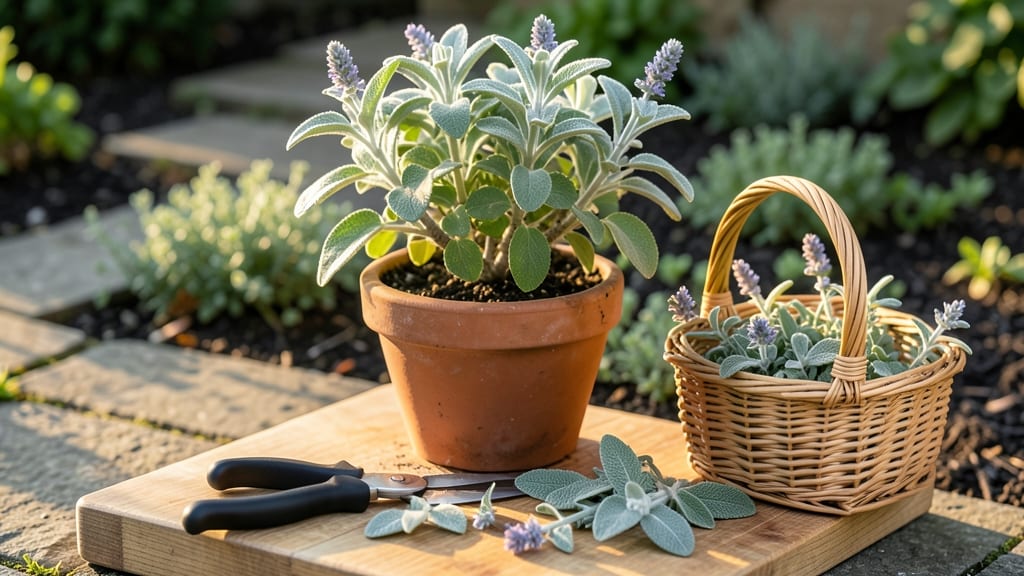
Harvesting garden sage at the right time ensures vibrant green leaves with that signature earthy aroma—but knowing when to pick makes all the difference.
Picture this: you’ve nurtured your 🌿 sage all season, and now the leaves are plump and fragrant, but you’re not sure if they’re ready. Cut too early, and you risk bland, underdeveloped flavor.
Wait too long, and the leaves turn bitter or brown before you even use them. The key is timing—and a few simple techniques to keep your harvest fresh and your plant thriving.
Most gardeners harvest sage in late summer or early fall, just before flowering, when the leaves are fully mature but still packed with flavor. But did you know that 6a zone growers can also harvest lightly in spring?
The trick is to avoid over-harvesting, which stresses the plant and leads to those dreaded brown leaves. I’ll show you exactly how to tell when your sage is ready—and how to cut it so it keeps growing back stronger.
From drying bundles for winter cooking to using fresh sprigs in your favorite dishes, this guide covers everything you need to know. You’ll learn the best cutting methods, storage tips to preserve that fresh scent, and even how to revive sage that’s already turned brown. Let’s get started!
When to harvest garden sage for maximum flavor and freshness
Timing your sage harvest is everything—pick too early, and you’ll get mild, underdeveloped leaves that lack that signature piney aroma. Harvest too late, and the leaves turn bitter or woody, losing their vibrant green color and fresh scent.
The key is catching sage at its peak: when leaves are fully mature but before flowering begins.
Most gardeners harvest sage in late summer to early fall (August–October in most climates), but this window shifts slightly based on your USDA zone. In warmer zones (8–10), you might start as early as July, while cooler zones (4–6) may wait until September.
Pay attention to your plant’s growth cycle, not just the calendar.
Here’s the golden rule: Harvest when your sage plant reaches 6–12 inches tall and the leaves are dark green, aromatic, and fully developed. If you pinch the leaves between your fingers, they should feel slightly thick and firm, not soft or rubbery.
This is your cue that the oils and flavors have fully developed.
Overripe sage gives away its age with yellowing leaves, woody stems, and a dull, bitter scent. Underripe sage, on the other hand, has small, pale leaves that lack fragrance and may turn brown quickly when stored. Both extremes ruin your harvest—so timing is everything!
Climate plays a huge role in harvest timing. In dry, hot regions, sage matures faster and may need harvesting as early as mid-summer. In cooler or humid climates, growth slows, and you’ll likely wait until late summer or early fall.
Always check for flower buds—once they appear, the leaves start losing flavor.
| Stage | Leaf Appearance | Plant Height | Harvest Time | Aroma Test |
|---|---|---|---|---|
| Not Ready | Small, pale, sparse | Under 6 inches | Early spring/summer | No scent or weak |
| Perfect Harvest | Dark green, thick, abundant | 6–12 inches | Late summer/early fall | Strong, piney scent |
| Overripe | Yellowing, woody, sparse | Over 12 inches | Fall/winter | Bitter, dull scent |
Pro tip: If your sage plant is younger than 1 year old, wait until it’s at least 12 inches tall before harvesting. First-year plants focus energy on root growth, so their leaves won’t be as flavorful.
For mature plants, you can harvest multiple times per season, but always leave at least one-third of the plant intact to encourage regrowth.
Morning is the best time to harvest because the leaves contain the highest concentration of essential oils after a night’s rest. Avoid harvesting after rain or late in the day, as humidity can cause leaves to brown or mold faster.
Use clean, sharp pruning shears to cut stems just above a leaf node—this encourages bushier growth.
Watch for flower buds like a hawk—they signal the end of the prime harvest window. Once buds appear, the leaves become bitter and lose their aromatic oils. If you miss this window, you can still harvest, but the flavor won’t be as vibrant.
For culinary use, prioritize leaves harvested just before flowering for the best taste.
In container-grown sage, harvest timing is slightly different. Potted plants mature faster due to limited root space, so you may need to harvest as early as mid-summer.
Always check leaf maturity and aroma before cutting—don’t rely solely on the calendar. Container sage also benefits from regular pruning to prevent woody stems.
Remember: Consistent harvesting keeps your sage plant healthy and productive. If you harvest too aggressively, the plant may struggle to recover. Balance is key—aim for 20–30% of the plant’s foliage per harvest to maintain vigor.
With the right timing, your sage will reward you with fragrant, flavorful leaves all season long.
Step-by-step sage harvesting techniques to preserve color and aroma
Now that you’ve identified the perfect harvest window, it’s time to cut your garden sage with precision. The right technique ensures your leaves stay vibrant green and retain that piney aroma—not to mention encouraging your plant to grow back bushier.
I’ve harvested sage for years, and I’ve learned that sharp tools and strategic cuts make all the difference. Whether you’re harvesting for drying or fresh use, follow these steps to avoid browning and maximize flavor.
Before you begin, gather your tools: a pair of clean, sharp pruning shears (or scissors for smaller cuts), a bowl or basket for collecting leaves, and a drying rack or paper towels if you plan to dry your harvest.
Avoid using dull tools—they crush stems and cause oxidation, which turns leaves brown almost instantly. Pro tip: Sanitize your tools with rubbing alcohol to prevent disease transfer between cuts.
How to Harvest Garden Sage
- 1 Choose the right stems: Select healthy, woody stems (about pencil-thick) with mature leaves. Avoid stems with yellowing or brown leaves, as these won’t dry well.
- 2 Cut at a 45-degree angle: Use sharp pruning shears to make a clean cut just above a leaf node (where leaves meet the stem). This encourages new growth and prevents water from pooling on the cut.
- 3 Harvest leaf-by-leaf (optional): For fresh use, pinch off individual leaves from the bottom of the stem to avoid damaging the plant. This method is gentler and lets you harvest smaller amounts over time.
- 4 Avoid over-harvesting: Never remove more than 1/3 of the plant at once. Sage is perennial and will regrow, but over-harvesting stresses it and can lead to browning or stunted growth.
- 5 Handle leaves gently: Place harvested stems in a paper bag or breathable container to prevent bruising. If drying, tie stems into small bundles with twine and hang them upside down in a dark, dry place.
- 6 Store fresh sage properly: For short-term use, wrap leaves in a damp paper towel and store in a sealed plastic bag in the fridge for up to 1 week. For long-term storage, dry leaves completely and store in an airtight container away from light.
Once your sage is harvested, act fast to preserve its color and aroma. If you’re drying, it should take about 2-3 weeks in a dark, well-ventilated area. Check periodically to ensure leaves aren’t molding—if they feel damp, spread them out to dry further.
For fresh sage, use it within a few days to avoid browning. I like to strip leaves from stems and store them in glass jars with a sprinkle of salt to extend freshness.
After harvesting, give your sage plant a little extra care to encourage regrowth. Water it deeply (but avoid soggy soil) and fertilize lightly with a balanced herb fertilizer if needed. In USDA zone 6a, your sage should bounce back quickly, ready for another harvest in 6-8 weeks.
Just remember: consistency is key—regular, light harvests yield the best flavor and keep your plant healthy.
With these techniques, you’ll enjoy vibrant green sage with that fresh, piney scent all season long. Whether you’re drying bundles for winter or using sprigs in your favorite dishes, proper harvesting ensures your garden sage stays at its peak. Happy harvesting! 🌿✂️