
How To
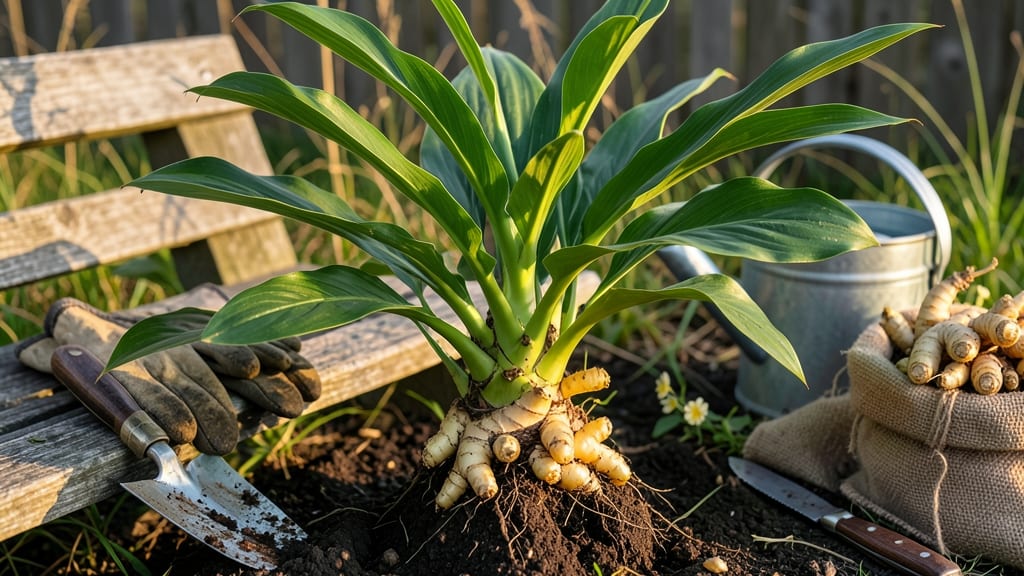
Harvesting ginger root plant at the right time turns a simple dig into a flavor-packed reward—think plump, aromatic rhizomes instead of tough, woody scraps.
Picture this: you’ve nurtured your 🌿 ginger for nearly a year, and now the leaves are yellowing, signaling it’s time to dig. But wait too long, and you’ll miss the prime window for the best-tasting, most storable harvest. That’s the game-changer—timing matters more than you’d think.
In this guide, I’ll show you exactly when to harvest (spoiler: it’s not when the leaves fall completely), how to dig without damaging those precious rhizomes, and the simple steps to cure and store your ginger for months.
Whether you’re growing it for curries, teas, or just love the earthy kick, these tips will save you from bitter surprises.
From avoiding common mistakes like harvesting too early to mastering the drying process, you’ll learn how to turn your ginger patch into a year-round pantry staple. Let’s get started!
When and how to harvest ginger root for maximum yield
Timing your ginger harvest correctly ensures you get plump, flavorful rhizomes instead of tough, woody roots. Unlike many crops, ginger takes 9-10 months to mature, so patience is key.
The best harvest window occurs when your plants show clear signs of dormancy, typically in late fall or early winter depending on your climate zone.
In tropical climates (USDA Zones 10-12), ginger can be harvested year-round, but the peak harvest season is during cooler months when growth naturally slows. For cooler zones (7-9), aim to harvest before the first frost hits—usually between October and December.
Missing this window risks exposing your plants to cold, which can damage the rhizomes.
Here's the critical summary of when and how to harvest for maximum yield:
| Harvest Stage | Plant Age (Months) | Climate Conditions | Visual Cues | Digging Technique |
|---|---|---|---|---|
| Early Harvest | 6-8 months | Warm climates only | Small rhizomes, green leaves | Gently loosen soil, avoid damaging roots |
| Prime Harvest | 9-10 months | Cooler months (fall/winter) | Yellowing leaves, firm rhizomes | Use fork to lift entire plant |
| Late Harvest | 10+ months | Risk of frost | Dry leaves, woody rhizomes | Dig immediately before frost |
Look for these three key visual cues that your ginger is ready for harvest: yellowing leaves, firm rhizomes, and a thick brown skin. The leaves should be mostly brown and crispy, while the rhizomes will feel heavy and solid when lifted.
If you see green leaves or soft rhizomes, your ginger needs more time to mature.
When digging, use a garden fork to gently loosen the soil around the plant. Avoid using a shovel, as it can cut the rhizomes and cause bruising. Once the soil is loose, grasp the base of the plant and lift it out carefully.
You'll often find multiple rhizomes connected to the main plant—these are all harvestable and can be separated later.
In cooler climates, harvest ginger before the first frost, even if the plants aren't fully mature. Frost can damage the rhizomes and make them inedible. If you're in a tropical zone, you can harvest year-round, but the best flavor comes from plants grown during the cooler months.
After harvesting, rinse off the soil gently with water and let the rhizomes air-dry for 2-3 hours before storing. This step prevents rot and helps the skin toughen.
For immediate use, you can store fresh ginger in the refrigerator for up to 3 weeks, but for long-term storage, consider drying or curing the rhizomes.
One common mistake is harvesting too early for smaller rhizomes. While this might work for microgreens or young shoots, it results in underdeveloped ginger with less flavor.
Always wait until the leaves yellow and die back—this is your plant's signal that the rhizomes are fully mature and ready for harvest.
For maximum yield, harvest ginger in the morning when temperatures are cooler. This reduces stress on the plant and helps preserve the rhizome quality. If you're growing ginger in containers, tip the pot gently to remove the plant and rhizomes together—this minimizes soil disturbance and damage.
Proper post-harvest handling and storage methods for fresh ginger
Once you’ve dug up your ginger rhizomes, proper handling determines whether they’ll stay fresh for months or spoil within weeks. The key is curing—a drying process that toughens the skin and prevents rot.
Start by gently rinsing the roots with cool water to remove soil, but avoid scrubbing, which can damage the delicate skin. Pat them dry with a clean paper towel to remove excess moisture.
After cleaning, let the ginger air-dry in a well-ventilated area for about 24 hours. Place them in a single layer on a mesh rack or wire shelf away from direct sunlight, which can cause discoloration.
This step is crucial—it helps the skin harden, making storage easier and extending shelf life. If your climate is humid, consider using a fan on low to speed up the process.
⚠️ WARNING: Common Mistakes That Ruin Your Ginger ⚠️
For short-term storage (up to 3 weeks), place your cured ginger in a paper bag or mesh produce bag in the refrigerator’s crisper drawer. The paper allows for airflow while keeping humidity in check.
Avoid plastic bags—they trap moisture and cause the rhizomes to sweat, leading to mold. If you notice any soft spots or discoloration, remove them immediately to prevent spread.
For long-term storage (3-6 months), consider drying the ginger completely. Slice the rhizomes into ¼-inch thick coins and dry them in a dehydrator at 135°F (57°C) for 4-6 hours, or bake them in the oven at 200°F (93°C) for 2-3 hours.
Store the dried slices in an airtight container away from light. This method preserves flavor and extends shelf life significantly.
Freezing is another great option for preserving ginger’s potency. Peel and slice the rhizomes, then freeze them in ice cube trays with water or oil for easy portioning. Transfer the cubes to a freezer bag and label with the date.
Frozen ginger retains its flavor for up to 6 months, making it perfect for soups, marinades, or teas.
Finally, if you’re not ready to use your harvest, replant a portion of the rhizomes for next year’s crop. Select the largest, healthiest pieces and store them in a cool, dark place until planting season. This ensures you’ll have fresh ginger without relying on store-bought varieties.