
How To
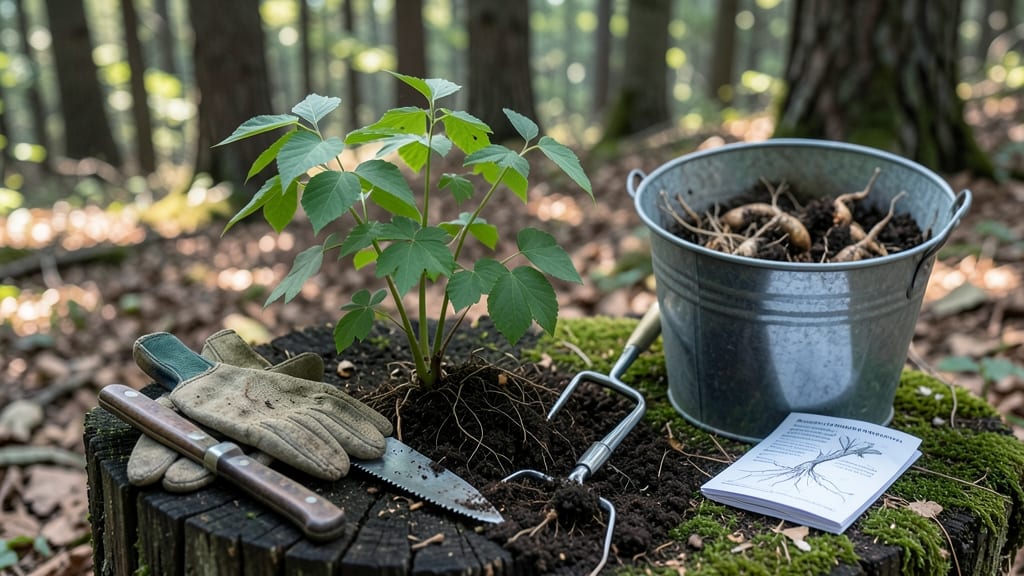
Harvesting ginseng 🌿 requires precision—timing the root’s maturity to ensure both quality and sustainability is the key to a successful wildcrafting season.
Picture this: you’ve spent years watching a patch of ginseng thrive in the dappled shade of a temperate forest, only to dig up a root that’s still too young or damaged beyond use. That’s why knowing when—and how—to harvest makes all the difference between a lucrative find and ecological harm.
In USDA Zones 5-8, the best time to harvest ginseng is in the fall, after 4-6 years of growth, when the leaves turn yellow and begin to die back. But not all roots are ready—here’s how to tell if yours is truly mature and worth the effort.
Below, I’ll walk you through the 5 key maturity tests, the tools you’ll need, and sustainable techniques to preserve ginseng populations for future harvests—so you can wildcraft with confidence.
Identifying mature ginseng roots: 5 key maturity tests for harvesters
When harvesting wild ginseng, maturity is everything. A root that's too young will be small and worthless, while harvesting a mature specimen too early can harm the plant population.
The key lies in knowing exactly what to look for—size, weight, color, texture, and branching patterns all reveal whether a ginseng root is ready for harvest. I’ve spent years studying these plants in their native temperate forests, and these five tests have never failed me.
First, let’s clarify: ginseng roots take 4-6 years to reach maturity. Harvesting before this window means you’re likely dealing with a small, underdeveloped root that won’t fetch a good price and won’t regrow effectively.
But how do you tell the difference between a 3-year-old root and a 6-year-old specimen? That’s where these tests come in.
Here’s the critical step: always harvest in fall (September-October) when the leaves begin turning yellow. This is when the root’s nutrient reserves peak, making it the ideal time for wildcrafting. But before you dig, perform these five maturity tests to ensure you’re harvesting responsibly and profitably.
🌿 5 Key Maturity Tests for Ginseng Roots
- 1. Root Size: A mature ginseng root should be at least 3-4 inches long and 1 inch thick at its widest point. Smaller roots are typically under 3 years old and lack the potency buyers seek.
- 2. Weight: Lift the root—mature roots feel heavy for their size due to dense fleshy tissue. A light root is often immature or dehydrated.
- 3. Color: Look for a deep reddish-brown hue with no green streaks. Immature roots may have lighter colors or greenish sections near the crown.
- 4. Texture: Run your fingers over the root. A smooth, firm texture indicates maturity, while a rough or spongy feel suggests immaturity or damage.
- 5. Branching: Mature roots develop multiple secondary roots branching off the main taproot. Fewer than 3-4 branches often mean the root isn’t fully mature.
⚠️ Pro Tip: Always dig carefully to avoid damaging nearby seedlings—ginseng reproduces slowly, and overharvesting can harm local populations.
Now, let’s talk about what to avoid. If the root is smaller than 2 inches or lacks the characteristic forked shape, it’s not ready. Similarly, if the leaves are still fully green and vibrant in late fall, the plant isn’t mature enough.
These signs are your red flags to walk away and let the plant grow another year.
One common mistake I see is harvesting in spring. While the roots are easier to spot after snowmelt, they’re less potent and more likely to be immature.
Always wait until fall senescence—when the leaves yellow and the ground cools. This timing ensures you’re getting the most valuable roots while minimizing ecological impact.
For cultivated ginseng, the rules are slightly different. Since you control the growing conditions, you can accelerate maturity with proper care. However, even in gardens, 4-6 years is the standard. If you’re growing ginseng commercially, consider marking seedlings in their first year to track growth accurately.
Finally, never harvest more than 10-15% of a ginseng patch in any given year. This sustainable harvesting rule ensures the population remains healthy for future harvesters. In wild areas, leave at least 90% of the plants undisturbed to maintain genetic diversity and ecosystem balance.
By mastering these 5 maturity tests, you’ll not only maximize your harvest’s value but also protect ginseng populations for generations. And remember: patience pays off—a well-timed harvest is always better than a rushed one.
Best practices for sustainable ginseng wildcrafting: legal and ethical guidelines
Before you even think about digging up a ginseng root, you must understand the legal and ecological rules protecting this slow-growing herb. In the U.S., ginseng is a regulated species in many states due to its endangered status in some regions.
For example, wild ginseng is illegal to harvest in states like West Virginia and Tennessee without permits, while others like Kentucky and Pennsylvania require tags for harvested roots.
Even where harvesting is legal, overharvesting can devastate local populations. Ginseng takes 4-6 years to mature, and each plant produces only one root per year. That’s why sustainable practices—like leaving at least 50% of plants unharvested in a patch—are critical to preserving ginseng for future generations.
Here’s a quick reference for state-specific regulations and sustainable harvesting techniques to follow:
| State | Legal Status | Permit Required? | Sustainable Rule |
|---|---|---|---|
| Kentucky | Legal with tags | Yes (tags sold by state) | Harvest no more than 20% of plants |
| Pennsylvania | Legal with tags | Yes (tags required) | Leave 1 root per 5 plants |
| Virginia | Legal (no tags) | No | Harvest only mature roots (4+ years) |
| West Virginia | Illegal | N/A | Protective measures enforced |
| Michigan | Legal with permit | Yes (state permit) | Limit harvest to 10 roots/acre |
Beyond legalities, ethical harvesting means using the right tools and techniques. Always use a digging fork or trowel to avoid damaging nearby roots. Never pull ginseng by the stem—this can uproot smaller plants you can’t see. Instead, gently loosen the soil around the root before lifting it carefully.
After harvesting, replace the topsoil and mark the spot to avoid disturbing it for at least 3 years. This gives the forest time to regenerate. If you’re selling ginseng, ensure you’re using state-issued tags (where required) and keep records of your harvests to prove sustainability.
By following these guidelines, you’re not just protecting your future harvests—you’re ensuring that ginseng remains a thriving part of our forests for generations to come. 🌿