
How To
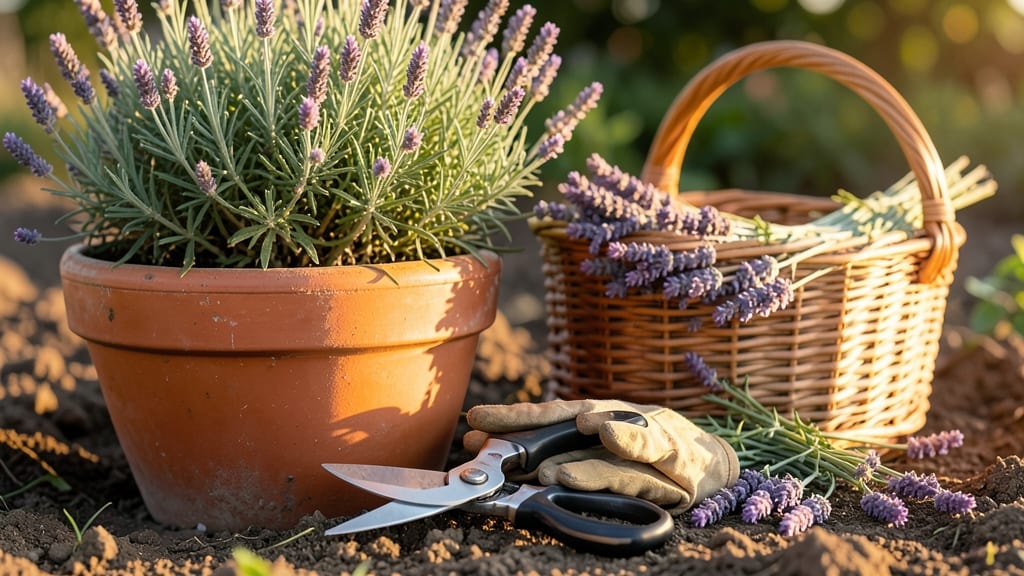
To harvest Spanish lavender 🌿 at its peak oil and fragrance, you need to time it right—just before the buds fully open but while they’re still tightly closed.
Spanish lavender isn’t just beautiful—it’s packed with aromatic oils that can transform your home, skincare, or even homemade remedies. But harvesting at the wrong time can ruin its potency. Here’s exactly when and how to harvest for maximum fragrance and oil yield.
Most gardeners wait until mid-summer, but the best time is actually when those purple buds are just starting to show—around July to early September in USDA Zone 6a. This is when the essential oils are at their strongest, and the stems are firm but not yet woody.
In this guide, I’ll walk you through the exact steps to harvest, dry, and store your Spanish lavender—plus the common mistakes that turn a great harvest into a floppy, fragrant disappointment.
Best time to harvest Spanish lavender for maximum oil & fragrance
Timing your Spanish lavender harvest is everything when it comes to capturing its peak oil content and fragrance. Unlike other lavender varieties, Spanish lavender (Lavandula stoechas) reaches its aromatic zenith just as its buds form but before they fully bloom.
Harvesting at this stage locks in the highest essential oil concentration, which is crucial for sachets, potpourri, or DIY skincare.
Climate plays a surprising role in harvest timing. In warmer USDA zones (7-10), Spanish lavender may bloom earlier, shifting your harvest window to late June or early July. Meanwhile, gardeners in cooler zones (5-6) should wait until mid-to-late July when buds are visibly swelling but still tightly closed.
The key is to avoid harvesting after flowers fully open, as oil potency drops sharply.
Here’s how to spot the perfect harvest moment using simple visual cues:
- 🌱 Bud Stage: Flowers form closed buds with distinct purple or pink tips (never open!).
- 🪵 Stem Firmness: Stems feel woody and resilient—not soft or hollow.
- 🌿 Aroma Test: Crush a leaf—intense citrusy scent confirms peak oil content.
- ☀️ Morning Harvest: Cut stems early morning after dew dries but before 10 AM heat reduces oil quality.
- ✂️ Cut Height: Leave 4-6 inches of growth above the base to encourage regrowth and future blooms.
Seasonal shifts can throw off your harvest timing if you’re not prepared. For example, early spring rains may delay bud formation by 2-3 weeks, while drought conditions can accelerate flowering.
To stay on track, monitor your plants daily in the 2 weeks before expected bloom—that’s when buds will swell noticeably.
One common mistake is waiting for flowers to fully open—this is when oil potency plummets by up to 40%. The bud stage is your golden window, offering the richest linalool and camphor compounds that define Spanish lavender’s signature scent.
Think of it like harvesting green coffee beans instead of fully ripe ones—the flavor (or in this case, fragrance) is far more complex.
Climate also affects how long you can harvest. In hot, dry climates, Spanish lavender may produce multiple harvests over 6-8 weeks, while cooler regions often get just one peak harvest.
To maximize yields, prune lightly after the first harvest to encourage a second flush of buds—though the oil content will be slightly lower.
Pro tip: Use a small hand lens to inspect buds closely. Look for tightly packed florets with no visible gaps—this ensures maximum oil retention. If you see yellowing leaves or wilting buds, it’s a sign you’ve missed the window or the plant is stressed.
For gardeners in USDA Zone 6 or colder, harvest timing becomes even more critical. Spanish lavender is semi-evergreen and may lose foliage in winter, so prioritize harvesting before the first frost (typically mid-October).
Store dried bundles in a cool, dark place to preserve their fragrance for up to 12 months.
Remember, the earlier you harvest, the more aromatic compounds you’ll capture. Don’t wait for "perfect" weather—act when buds are 70-80% formed. Your nose will thank you when that first bundle of Spanish lavender releases its intoxicating citrus-herbal scent.
Now that you’ve mastered the when, the next step is the how—and that’s where proper cutting techniques and drying methods come into play to lock in every drop of that precious oil. 🌿
Step-by-step Spanish lavender harvesting techniques for long-lasting dried bundles
Harvesting Spanish lavender at the right stage ensures maximum oil potency and long-lasting dried bundles. The key is timing—cut stems when buds form but before flowers fully open.
This preserves the essential oils that give lavender its signature fragrance. With the right tools and techniques, you can create fragrant bundles that last for months.
Before you begin, gather your supplies: sharp pruning shears, a clean bucket with water, and twine or rubber bands for bundling. Avoid dull tools, as they crush stems and reduce oil quality.
Work on a dry, sunny morning to prevent moisture buildup, which can lead to mold during drying. Once you’re ready, follow these steps for a perfect harvest.
How to Harvest Spanish Lavender for Drying
-
Step 1: Identify Ready Stems
Look for woody stems with closed buds and aromatic leaves. Avoid stems with open flowers or wilting foliage.
-
Step 2: Cut at the Right Angle
Use clean pruning shears to cut 1/3 of the plant at a 45-degree angle just above a leaf node. This encourages new growth and prevents disease.
-
Step 3: Bundle Stems Immediately
Gather 5-7 stems and secure them with twine or rubber bands at the base. Leave 1-2 inches of stem exposed for hanging.
-
Step 4: Choose Your Drying Method
Air-Drying: Hang bundles in a dark, dry, well-ventilated space (e.g., pantry or shed) for 2-3 weeks. Oven-Drying: Place stems on a baking sheet at 200°F (93°C) for 1-2 hours (check frequently).
-
Step 5: Test for Dryness
Stems are ready when they crisp easily and leaves crumble. Store bundles in a paper bag or jar away from light to preserve fragrance.
After harvesting, avoid over-pruning your Spanish lavender. Never remove more than 1/3 of the plant in a single session, as this stresses the plant and reduces future blooms. If you’re drying lavender for culinary or crafting purposes, air-drying is ideal—it preserves the most delicate oils.
For instant use, like sachets or potpourri, oven-drying speeds up the process.
One pro tip: Rotate your harvests by cutting different sections of the plant over 2-3 weeks. This ensures a steady supply of fresh buds while keeping your lavender healthy and bushy.
Store dried bundles in a cool, dark place to maintain their aromatic power for up to 12 months.
With these techniques, your Spanish lavender will yield fragrant, long-lasting bundles perfect for sachets, wreaths, or infused oils. Happy harvesting! 🌿