
How To
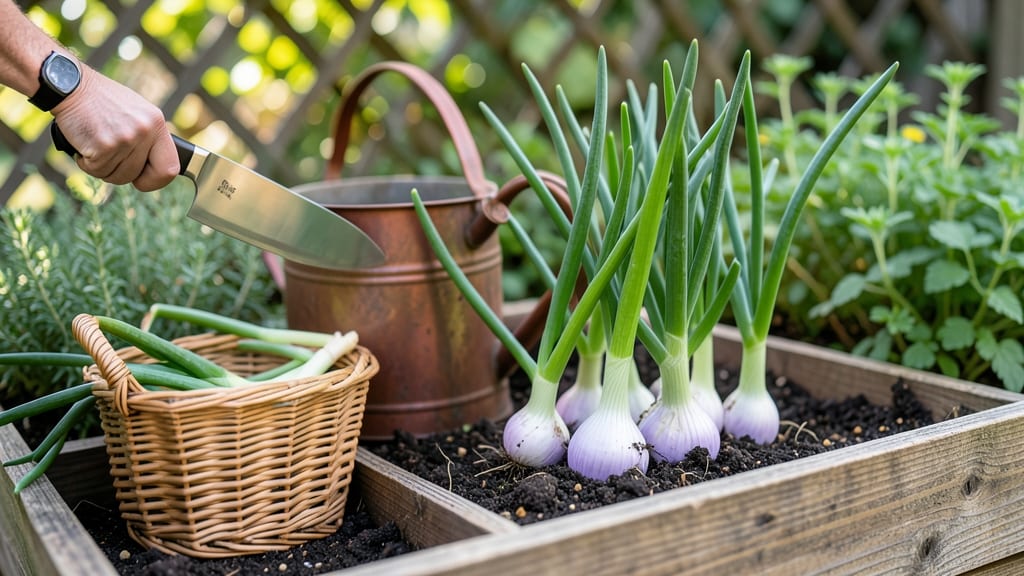
Harvesting green onions so they keep growing means cutting just right—1-2 inches above the soil—to trigger new shoots while avoiding the roots.
Want a never-ending supply of fresh green onions without replanting? The secret lies in mastering the right harvesting technique—one that encourages regrowth while keeping your plants thriving.
Most gardeners make the mistake of cutting too close to the base or yanking them out, which kills the plant. With the proper method, you’ll get continuous harvests for months, even from the same patch.
Below, I’ll walk you through the exact steps, from when to harvest to how to care for your plants afterward, so you can enjoy fresh green onions all season long.


Step-by-step guide to harvesting green onions for regrowth
Green onions are one of the easiest herbs to grow—and even easier to harvest repeatedly if you follow the right technique. The key to a never-ending supply lies in cutting them at the perfect spot, so the plant can regenerate new leaves.
Unlike pulling the whole plant, which ends the harvest, strategic cutting keeps your green onions thriving for months.
Most gardeners make the mistake of cutting too close to the base or pulling the entire plant, which kills the root system. Instead, aim to leave at least 1-2 inches of the white bulb intact below the soil line.
This ensures the plant can regrow fresh leaves while storing nutrients in the root. With the right approach, you can harvest the same plant every 2-3 weeks throughout the growing season.
Use a sharp pair of scissors or clean pruning shears to make precise cuts. Avoid dull knives, which can crush the stems and damage the plant.
Look for green onions with 6-8 inch tall leaves and a 1-2 inch white bulb below the soil. This is the perfect time to harvest for regrowth.
Hold the scissors at a slight angle and cut 1-2 inches above the soil line. This prevents soil from splashing onto the cut and encourages faster regrowth.
Never cut below the white bulb or pull the entire plant. The root system must stay healthy to produce new leaves. Aim to leave at least ½ inch of the bulb below the soil.
Pick green onions in the early morning when moisture levels are high. This ensures the cuts heal faster and reduces stress on the plant.
Give the plant a deep watering right after harvesting to help it recover. This replenishes moisture lost during the cutting process and supports regrowth.
Timing your harvests is just as important as the cutting technique. For the best results, harvest green onions when the leaves reach 6-8 inches tall and the white bulb is 1-2 inches long.
This ensures you’re getting the most flavorful part of the plant while leaving enough energy in the root to produce new growth. If you wait too long, the plant may bolt (flower), which reduces its quality and regrowth potential.
One common misconception is that you can harvest green onions at any time. However, cutting too frequently or too close to the base can exhaust the plant and prevent regrowth. Space your harvests 2-3 weeks apart during the growing season to give the plant time to recover.
In cooler months, you may need to extend this to 4-6 weeks as growth slows down.
After harvesting, store your green onions in a perforated plastic bag in the fridge to maintain freshness. The cut ends should stay crisp for up to 2 weeks if stored properly. Meanwhile, your green onion plants will continue producing new leaves, ready for your next harvest.
With this method, you can enjoy a continuous supply of fresh green onions all season long without replanting.
Pro tip: If your green onions start to bolt (send up a flower stalk), it’s a sign they’re ready to be harvested immediately.
Bolting indicates the plant is shifting its energy from leaf production to seed production, so cutting them back will encourage a final flush of tender leaves before the season ends.
For even better regrowth, consider adding a light layer of compost around the base after harvesting. This provides essential nutrients to help the plant recover faster and produces more vigorous new growth. With these simple steps, you’ll have a self-sustaining green onion patch that keeps giving all season.
Best practices to maximize regrowth after harvesting
After harvesting your green onions, the real work begins—helping them bounce back for your next harvest. The key lies in soil health, consistent watering, and nutrient support.
When done right, your plants can regrow in just 2-3 weeks, giving you a continuous supply all season long.
Start by ensuring your soil remains rich in organic matter. Green onions thrive in well-draining, nutrient-dense soil. If your soil feels depleted after harvest, mix in compost or aged manure to replenish nutrients. This simple step can make all the difference in how quickly your plants recover.
After cutting, leave 1-2 inches of stem above the soil. This ensures the plant has enough energy to regenerate while protecting the regrowth point from disease. Avoid cutting too close to the base—this can kill the plant!
Watering plays a critical role in regrowth. Keep the soil consistently moist but never soggy. Water deeply in the morning to allow excess moisture to evaporate, reducing the risk of fungal diseases.
During hot months, you may need to water every 2-3 days, while cooler seasons can stretch this to 4-5 days.
Fertilization is another game-changer. Use a balanced fertilizer (10-10-10) every 4-6 weeks during the growing season. For a quick boost after harvest, apply a light dose of fish emulsion or seaweed extract. These natural fertilizers provide essential nutrients without overwhelming the plant, promoting faster recovery.
Seasonal adjustments are key for year-round harvesting. In spring and fall, focus on soil enrichment and regular watering. During summer heat, provide afternoon shade and mulch to retain moisture. In winter, reduce watering and fertilization, allowing the plant to rest until warmer temperatures return.
Finally, monitor your plants for signs of stress or disease. Yellowing leaves or stunted growth may indicate nutrient deficiency or overwatering. Adjust your care routine accordingly, and your green onions will reward you with vigorous regrowth time and time again.