
How To
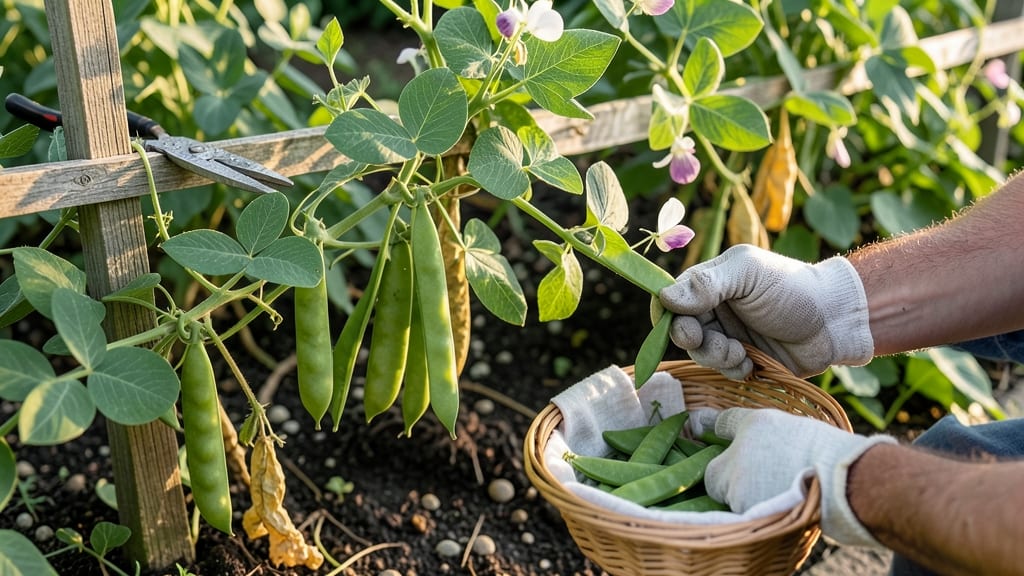
Harvesting green peas at the right time means snapping into the sweetest, most tender pods—before they turn mealy or shatter in your hand.
Picture this: your 🌱 peas are thriving in zone 6a, climbing their trellis by June, and you’re itching to pick them. But wait too long, and those crisp pods turn tough and bitter.
The secret? A simple pod flex test that tells you exactly when to harvest for peak flavor.
In this guide, I’ll walk you through the best time to harvest—June through July—how to tell when peas are ready (and when they’re past their prime), and the gentle techniques that keep your plants happy and productive. No more guessing, no more wasted harvests.
You’ll also learn how to store your peas for freshness, troubleshoot common mistakes, and even revive wilted pods if you’ve missed the perfect window. Let’s get started!


The pod flex test: when to harvest green peas for maximum sweetness
Harvesting green peas at the right moment transforms your garden from a sea of vines into a treasure trove of sweet, tender pods. The key? Mastering the pod flex test—a simple but game-changing technique that guarantees peak flavor.
Skip this step, and you risk mealy, overripe peas that fall short of that fresh-from-the-vine crunch. Let’s dive into the exact cues to watch for and the ideal harvesting window to lock in that garden-fresh sweetness.
Peas reach their sweetest, most tender stage when they’re 1-2 inches long and their pods yield slightly when gently squeezed—a telltale sign of perfect ripeness. This isn’t just about size; it’s about texture and color.
A vibrant green pod with a slight give is your golden ticket, while pods that feel rock-hard or start yellowing are past their prime. Timing your harvest correctly also prevents overcrowding, which stresses the plant and reduces future yields.
Here’s the secret: Harvest every 2-3 days during peak production (typically June-July in most climates). This frequent picking encourages more pods to form and keeps the peas from becoming overmature or shriveled.
Think of it like pruning—you’re training the plant to produce continuously by removing the ripe pods before they have a chance to toughen up. But how do you know exactly when to pick? That’s where the pod flex test comes in.
One of the biggest mistakes gardeners make is waiting too long to harvest. Overripe peas lose their sweetness and develop a mealy texture, making them less enjoyable to eat. Another common error is harvesting at the wrong time of day.
Always pick peas in the morning after dew has dried—this ensures they’re crisp and full of flavor. Avoid harvesting in the evening, as the pods may have absorbed excess moisture, leading to a softer, less appealing texture.
Did you know that climbing pea varieties often produce more pods than bush varieties? This is because their vines have more surface area to photosynthesize and convert sunlight into energy for pod development.
If you’re growing climbing peas, focus on harvesting the lower pods first, as these tend to ripen slightly earlier than those higher up. This staggered approach ensures a continuous harvest throughout the season and prevents the plant from becoming overburdened.
For dwarf or bush peas, which are more compact, aim to harvest the outermost pods first. These pods are typically the most accessible and often ripen before the inner ones.
By prioritizing the outer pods, you encourage the plant to focus its energy on producing more pods in the center. This method also makes it easier to spot ripe pods without having to dig into the foliage, reducing the risk of damaging the plant.
If you’re new to pea harvesting, start with just a few pods to get a feel for the pod flex test. Practice identifying the perfectly ripe pod versus an underripe or overripe one.
Over time, you’ll develop an instinct for when to harvest, and your peas will thank you with unmatched sweetness and tenderness. Remember, the goal isn’t just to pick peas—it’s to pick them at their absolute peak.
Pro tip: Harvest peas in the morning and use them within a few hours for the best flavor. If you need to store them, place them in the crisper drawer of your fridge and use them within 3-5 days.
For long-term storage, blanch and freeze them to preserve their vibrant green color and sweet taste. This way, you can enjoy your homegrown peas even when they’re not in season.
With the pod flex test in your gardening toolkit, you’re now equipped to harvest green peas like a pro. The difference between mealy, overripe pods and sweet, crisp perfection comes down to timing, technique, and a little practice.
So grab your scissors, head to the garden, and get ready to enjoy the fruits of your labor—literally!
Best practices for hand-picking green peas to avoid damage
When you harvest green peas by hand, your goal is to pick tender pods without harming the plant’s delicate vines. The right technique keeps your peas sweet and encourages more production.
I’ve learned that even a slight misstep—like cutting too close or twisting wrong—can stress the plant and reduce future yields. Let’s dive into the best methods to protect your peas and your plants.
First, choose the right time of day for harvesting. Early morning is ideal because peas are cool and crisp, making them easier to handle. Avoid harvesting after heavy rain, as wet pods bruise easily.
Always work with clean, sharp tools or just your hands to prevent disease transmission between plants. Your gentle touch will pay off in a bountiful harvest.
Here’s the key: twisting vs. cutting. Twisting is gentler and preferred for most home gardeners. Grip the pod firmly near the stem and give a quick, firm twist. The pod should snap off cleanly, leaving the stem intact.
Cutting with scissors or pruners works for tougher stems but risks damaging the vine if done incorrectly. Never cut more than one-third of the plant’s foliage at once.
Hand-Picking vs. Machine Harvesting for Home Gardens
Hand-Picking
- Pros: Gentle on plants, no damage to vines, higher quality pods
- Cons: Time-consuming, labor-intensive, limited yield per hour
Machine Harvesting
- Pros: Faster, higher volume, ideal for large-scale farms
- Cons: Damages vines, bruises pods, impractical for home gardens
Use the right tools to make harvesting easier and safer. A small pair of pruning shears or garden scissors works well for thicker stems, but I prefer using my fingers for most pods.
Avoid dull tools—they crush pods and spread disease. If you’re harvesting in bulk, wear gardening gloves to protect your hands from thorns on some varieties like sugar snap peas.
Minimize stress on your pea plants by harvesting regularly. Check your plants every 2-3 days during peak season. Overripe peas not only lose flavor but also signal the plant to stop producing.
Remove any pods that turn yellow or feel mushy—they’re past their prime. Always harvest from the bottom of the vine upward to encourage upward growth and more pods.
After harvesting, handle peas with care. Place them in a shallow container to avoid bruising and store them in the fridge for up to 5 days if you’re not using them immediately.
For long-term storage, freeze or shell them right away. The more gently you treat your peas from vine to table, the sweeter and fresher they’ll taste.