
How To
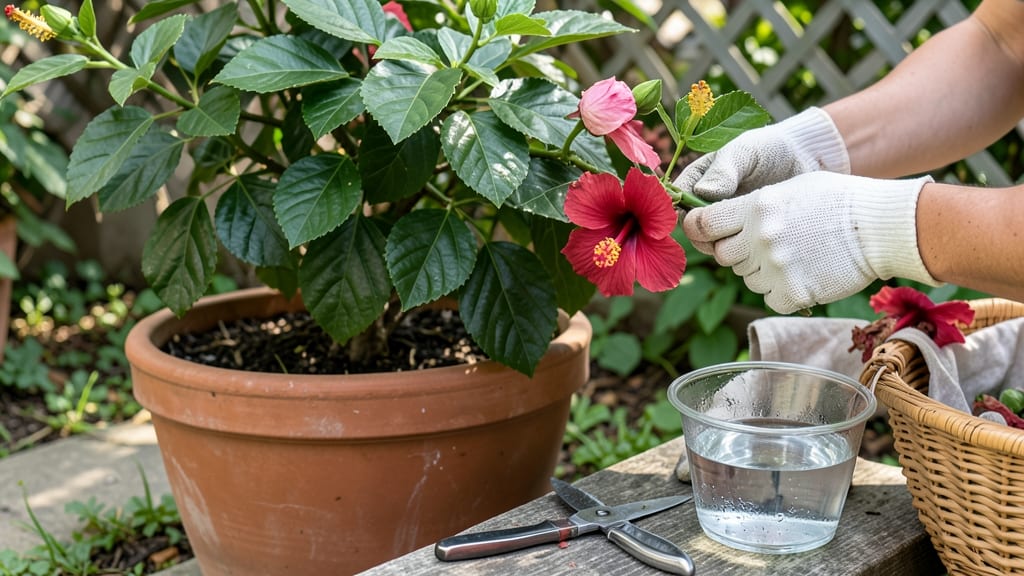
To harvest hibiscus at its peak flavor and vibrancy, pluck fully open blooms in the morning when petals are bright and stamens stand tall 🌸.
You’ve probably seen those stunning hibiscus blooms in your garden—only to wonder if they’re ready for picking. The truth? Harvesting too early or too late ruins their taste, color, and even medicinal properties. Timing matters more than you think.
This guide covers the exact moments to harvest hibiscus flowers, leaves, and seeds for teas, jams, or even culinary uses. Learn how to spot the perfect bloom, avoid common mistakes, and store your harvest so it stays fresh longer.
From morning picks to drying techniques, I’ll walk you through every step—so you never waste another beautiful bloom again.
When to harvest hibiscus flowers for maximum flavor and color
Harvesting hibiscus flowers at the right moment ensures vibrant color and optimal flavor, whether you're using them for teas, garnishes, or dried arrangements. The key lies in understanding three critical factors: the time of day, the bloom's maturity, and the seasonal window.
Get this wrong, and you risk bitter petals or flowers that wilt too quickly.
For the best results, I always harvest hibiscus flowers in the early morning after the dew has dried but before the sun intensifies. This timing preserves moisture levels and color vibrancy.
Flowers picked in the afternoon often lose their crispness and may even develop a slightly bitter taste, especially in hot climates. Think of it like catching a sunrise—timing is everything.
Now, let's talk color indicators. The ideal hibiscus flower for harvesting should be fully open with petals completely unfurled. Look for blooms where the stamens are fully extended and the center is dry—this means the flower has reached peak potency.
If the petals are still curled or the center looks damp, it's not ready yet. Overripe flowers (those that are wilting or have brown edges) should be avoided—they’ll ruin your harvest.
Seasonally, hibiscus flowers thrive in late summer to early fall, typically between July and September in most tropical and subtropical regions. This is when the plants produce their most abundant and flavorful blooms.
In cooler climates, you might extend your harvest into early fall, but always check the weather forecast—a sudden cold snap can cause flowers to close or drop prematurely.
Here’s a quick visual guide to help you spot the perfect hibiscus flower for harvesting:
| Harvest Stage | Petal Condition | Stamen Status | Best Time to Pick | Flavor/Quality |
|---|---|---|---|---|
| Bud Stage | Tightly closed | Not visible | Not ready | Not applicable |
| Partially Open | Petals slightly unfurled | Partially exposed | Not ideal | Mild flavor, pale color |
| Fully Open | Petals fully unfurled | Stamens fully extended | Perfect time! | Peak flavor, vibrant color |
| Overripe | Wilting or brown edges | Stamens may be shriveled | Avoid | Bitter, poor quality |
One of my biggest mistakes early on was harvesting hibiscus flowers that were partially open. I thought they’d just "finish opening" after picking, but they actually lose their vibrancy and can develop a mushy texture.
Always wait until the petals are fully unfurled—this ensures the best color retention and flavor profile, whether you're using them fresh or drying them for later.
Pay attention to the stem condition too. A healthy hibiscus flower will have a firm stem that snaps cleanly when you gently twist it. If the stem feels soft or mushy, the flower is overripe and should be left on the plant.
This is especially important if you're growing hibiscus in humid climates, where overripe flowers can attract pests or develop mold.
In my garden, I’ve noticed that red hibiscus varieties tend to ripen slightly faster than pink or white varieties. If you're growing multiple colors, prioritize harvesting the red ones first to avoid overripeness.
For white hibiscus, which can be trickier to spot, look for a slight yellowing at the base of the petals—this is your cue that the flower is ready.
Finally, avoid harvesting hibiscus flowers during rainy periods. The extra moisture can cause the petals to become waterlogged, leading to a diluted flavor and shorter shelf life.
If rain is in the forecast, harvest a few extra flowers early and store them in the fridge to use later. This way, you’ll always have fresh, high-quality blooms ready for your recipes or arrangements.
With these tips, you’ll never miss the perfect harvest window again. Your hibiscus flowers will stay vibrant, flavorful, and long-lasting, whether you're using them in a hibiscus tea, a garden bouquet, or even as a natural dye. Happy harvesting! 🌺
Step-by-step hibiscus flower harvesting techniques to preserve freshness
Harvesting hibiscus flowers at the right time ensures vibrant color and maximum flavor. The key is to pick them when fully bloomed but before they start wilting. This delicate window—typically in the early morning—preserves their moisture and prevents bitterness.
Avoid harvesting after noon, as the heat can make petals tough and less flavorful.
Use the right tools to make harvesting easier and cleaner. A pair of sharp pruning shears or clean scissors works best for cutting stems cleanly. Avoid tearing petals, which can damage the plant and reduce the quality of your harvest.
Always sanitize your tools with rubbing alcohol before and after use to prevent disease spread.
How to Harvest Hibiscus Flowers
- 1 Choose the right time: Harvest in the early morning when flowers are fully open but still firm. Avoid wilting blooms or closed buds.
- 2 Use clean tools: Snip stems with sterilized pruning shears at a 45-degree angle, leaving 1-2 inches of stem attached for fresh use or drying.
- 3 Handle gently: Avoid crushing petals or damaging stems. Place harvested flowers in a paper bag or mesh container to allow airflow and prevent wilting.
- 4 Process immediately: For fresh use, rinse gently in cool water and pat dry. For drying, hang stems upside down in a dark, dry place for 1-2 weeks.
- 5 Store properly: Keep fresh flowers in the fridge for up to 5 days in a sealed container with a paper towel to absorb moisture. Dried flowers last 6-12 months in an airtight container.
After harvesting, decide whether to use the flowers fresh or dry them for later. For fresh use, like salads or teas, rinse the petals gently under cool water to remove dirt or pests.
Pat them dry with a paper towel to prevent moisture buildup, which can cause spoilage. Store them in the refrigerator for up to a week.
If you plan to dry hibiscus flowers, hang them in small bundles in a well-ventilated, dark area. This preserves their color and flavor better than heat drying.
Once fully dry—when petals crumble easily—store them in an airtight container away from direct light. Dried hibiscus keeps for months and is perfect for teas or decorative purposes.
Never harvest hibiscus flowers that are wilted, discolored, or damaged. These signs indicate overripeness or pest infestation, which can ruin flavor and texture.
Regularly inspect your plants for pests like aphids or spider mites, and treat them promptly with neem oil or insecticidal soap to keep your harvest healthy.
With these techniques, you’ll enjoy vibrant, flavorful hibiscus flowers all season long—whether you’re using them fresh, dried, or as part of a stunning floral arrangement. Happy harvesting! 🌺