
How To
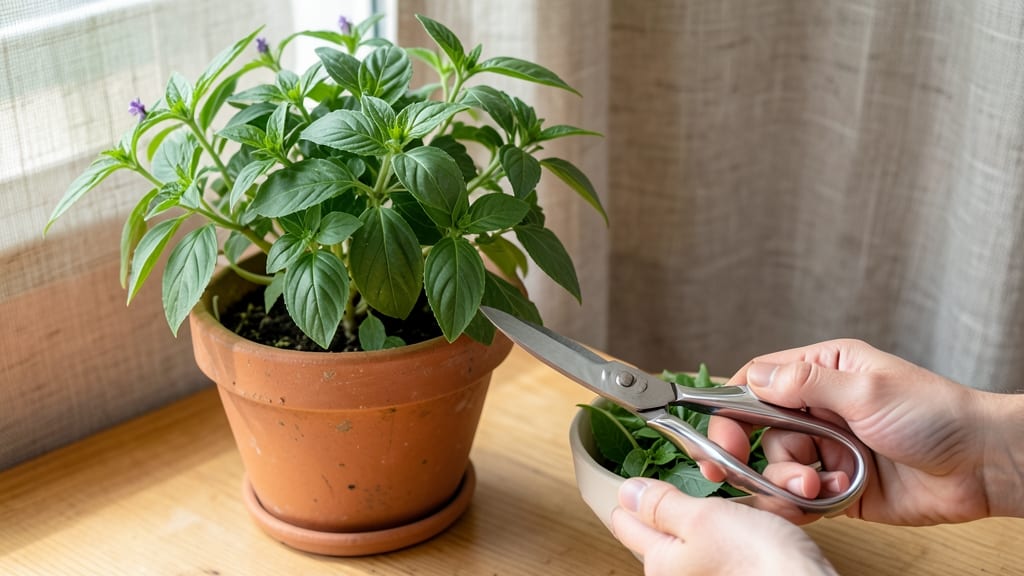
To harvest holy basil 🌿 at its peak potency, focus on young leaves and stems before flowering begins—this preserves its rich medicinal properties and keeps your plant thriving.
Picture this: you’ve nurtured your holy basil for months, only to realize its flavor fades fast if you don’t harvest it right. The secret? A morning pick, sharp scissors, and a light touch to avoid stressing the plant—because over-pruning can actually stunt growth.
Beyond the basics, timing matters. Harvest in the morning when essential oils are most concentrated, and always snip just above a leaf node to encourage bushier regrowth. Whether you’re drying leaves for tea or using them fresh, these small steps make a big difference in flavor and yield.
Inside, you’ll discover the exact leaf-by-leaf method, storage tips to lock in freshness, and how to keep your holy basil producing for months—without sacrificing its sacred potency.
When and how to harvest holy basil leaves for optimal potency
Timing is everything when harvesting holy basil (Ocimum tenuiflorum). The best time of day is early morning—between 6 AM and 9 AM—when essential oils are at their peak. This ensures maximum flavor, aroma, and medicinal potency.
Avoid harvesting after noon, as heat stress can reduce quality. The ideal plant maturity is when leaves are fully formed but before flowering begins, which shifts energy away from leaf production.
For seasonal considerations, holy basil thrives year-round in tropical zones (10-12) but needs container care in cooler climates (Zone 6+). In spring and summer, harvest every 2-3 weeks to encourage bushier growth.
During fall and winter, reduce harvesting to once a month to let the plant rest. Over-harvesting in cold months can weaken the plant, reducing its ability to rebound in warmer seasons.
Leaf selection is key to preserving potency. Choose mature leaves (3rd-5th leaf from the stem) for the strongest antioxidant and anti-inflammatory properties. Avoid yellowing or wilted leaves, as they’ve lost potency. Pinch off leaves with your thumb and forefinger rather than cutting stems, which minimizes plant stress and promotes faster regrowth. This method also prevents bacterial entry points that could lead to disease.
Pruning techniques play a critical role in maintaining a healthy holy basil plant. Always harvest no more than 1/3 of the plant at once to avoid shock. Use clean, sharp scissors only if cutting stems (for larger harvests), and disinfect blades with rubbing alcohol between cuts.
For smaller harvests, pinch leaves by hand to avoid damaging stems. This method also stimulates branching, leading to a fuller, more productive plant over time.
The best time of year to harvest depends on your climate. In tropical regions, holy basil can be harvested year-round, but spring and early summer yield the most potent leaves.
In cooler climates (Zone 6+), focus harvesting on May through September, as frost can damage the plant. If growing indoors, supplement with grow lights (12-14 hours/day) to maintain potency year-round, though natural sunlight always produces stronger flavor.
Watch for visual cues that signal readiness: vibrant green leaves, upright stems, and a strong aromatic scent when crushed. If leaves appear yellow or wilted, the plant may be over-harvested or underwatered.
Adjust your schedule to every 4-6 weeks during off-seasons to balance harvest and regrowth. This ensures your holy basil remains a steady source of fresh, potent leaves for teas, remedies, or culinary use.
For medicinal use, always prioritize fresh leaves over dried, as potency decreases by up to 30% after drying. If you must dry leaves, hang them in a well-ventilated, dark space for 7-10 days before storing in an airtight container.
Label dried leaves with the harvest date to track freshness. For culinary use, fresh leaves are best added just before serving to preserve their delicate flavor and aroma.
One common mistake is harvesting during the hottest part of the day, which can burn leaves and reduce potency. Another is over-pruning in a single session, which stresses the plant.
Instead, space out harvests and always leave at least 2-3 leaves per stem to support photosynthesis. This balance ensures your holy basil stays productive and healthy for months or even years.
To maximize regrowth, water the plant deeply after harvesting and apply a light organic fertilizer (like compost tea) to replenish nutrients. Place the plant in bright, indirect light for 24-48 hours post-harvest to help it recover.
With the right timing and care, your holy basil will reward you with a continuous supply of potent, flavorful leaves all season long.
Step-by-step leaf harvesting method to avoid stressing the plant
Harvesting holy basil leaves correctly ensures your plant stays healthy and keeps producing potent, flavorful foliage. The key is using the right cutting technique and timing to avoid plant stress or wilting.
A sharp pair of pruning shears or clean scissors is essential—dull blades crush stems, which can invite disease and slow regrowth.
Always harvest in the early morning when essential oils are at their peak. This timing preserves the medicinal properties and aroma of the leaves. Avoid harvesting after noon, as the leaves can become bitter and lose potency due to heat stress.
Here’s how to harvest holy basil leaves like a pro without harming your plant:
- 1 Choose the right leaves: Select young, vibrant leaves (top 4-6 inches) or stem tips. Avoid harvesting more than 1/3 of the plant at once to prevent shock.
- 2 Use clean, sharp tools: Sterilize pruning shears or scissors with rubbing alcohol to prevent bacterial spread. Cut just above a leaf node (where leaves meet the stem) at a 45-degree angle.
- 3 Harvest leaf-by-leaf or in small clusters: For individual leaves, pinch them off at the base. For stems, cut 3-4 inches above the soil line to encourage bushier growth.
- 4 Handle leaves gently post-harvest: Place leaves in a paper towel-lined container to absorb moisture and prevent rotting. Store in the fridge (unwashed) for up to 5 days or dry within 24 hours for long-term use.
-
5
Avoid these mistakes:
- Harvesting old, yellowing leaves (they’re past their prime).
- Using dull tools that crush stems.
- Over-pruning more than 1/3 of the plant at once.
After harvesting, your holy basil will respond by producing new growth from the leaf nodes you left behind. This method ensures your plant stays compact and bushy while maintaining its medicinal potency. For best results, harvest every 2-3 weeks during the growing season.
Pro tip: If you’re drying leaves for tea or remedies, hang them in a dark, well-ventilated area for 1-2 weeks. Store dried leaves in an airtight container away from direct sunlight to preserve their aroma and healing properties for up to 6 months.
With this gentle approach, your holy basil will thrive, giving you a continuous supply of fresh, potent leaves for years to come. 🌿