
How To
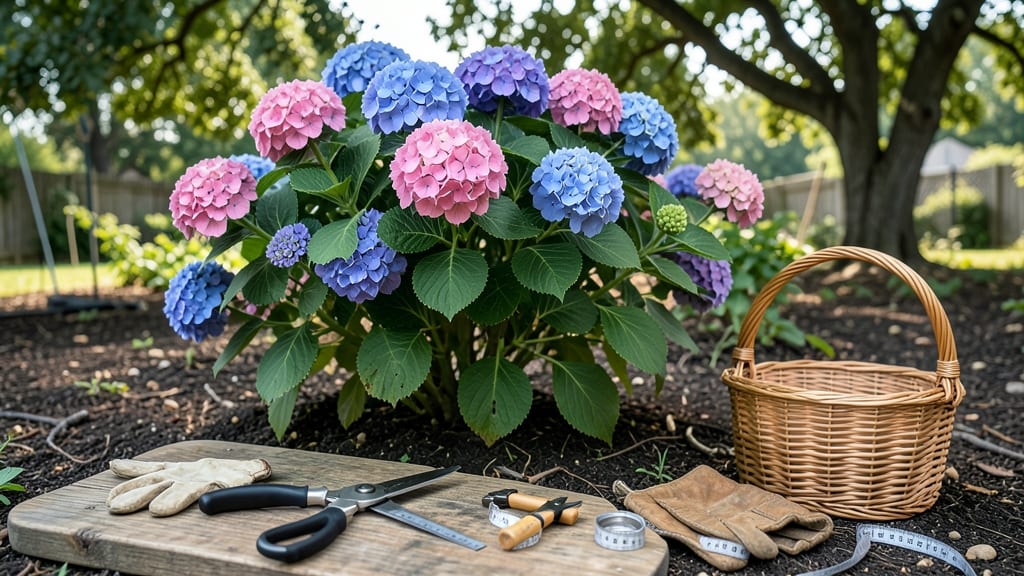
To harvest hydrangeas at their peak, cut stems when buds are firm and fully swollen but before they open completely 🌸 — this ensures long-lasting blooms in your vase.
Did you know harvesting hydrangeas at the wrong time can turn your stunning blooms into floppy, lifeless messes? Mastering the perfect timing and technique ensures your cut flowers last weeks—not days—in vases.
Timing is everything: aim for late summer to early fall, when the buds are plump and the color is vibrant. This is when your hydrangeas have reached their ideal maturity for cutting, whether you're drying them or arranging them fresh.
In this guide, I’ll walk you through the exact steps to harvest your hydrangeas for maximum beauty, from choosing the right stems to storing them properly. You’ll learn how to extend their vase life by 50% or more—no more sad, wilted blooms!
When to harvest hydrangeas for maximum bloom longevity
Harvesting hydrangeas at the right time transforms your garden into a cut-flower goldmine. The difference between 3-day wilting and 3-week vase life often comes down to timing and variety.
I’ve learned that harvesting too early means soft, underdeveloped blooms, while waiting too long results in dried-out stems. The secret? Understanding each hydrangea variety’s unique bloom cycle and seasonal cues.
For mophead and lacecap varieties, the ideal harvest window is when buds are fully swollen but haven’t opened yet.
This usually falls in late summer (August-September), just as the first morning frost approaches. Panicle hydrangeas, however, prefer a slightly later harvest—wait until they’ve partially bloomed (about 25-50% open) for maximum vase life. Oakleaf hydrangeas, with their stunning fall foliage, should be harvested when their buds are firm and leaves are fully matured.
Pro Tip: Always harvest in the early morning when stems are hydrated and blooms are cool. This prevents wilting and extends your bouquet’s freshness by up to 50%. Avoid harvesting after a hot afternoon—the heat stresses the blooms, shortening their lifespan dramatically.
| Variety | Best Harvest Stage | Seasonal Timing | Vase Life Tip |
|---|---|---|---|
| Mophead (e.g., 'Endless Summer') | Fully swollen buds (just before opening) | Late July to early September | Cut stems at 45° angle for better water uptake |
| Lacecap (e.g., 'Limelight') | 25-50% bloomed (partial bloom) | August to early October | Remove lower leaves to reduce bacterial growth |
| Panicle (e.g., 'Little Lime') | Partially bloomed (50-75% open) | Late August to mid-October | Harvest when stems are woody (not green) |
| Oakleaf (e.g., 'Snow Queen') | Firm buds + mature leaves | September to October | Preserve fall foliage by harvesting select branches |
Seasonal timing is everything. In USDA Zone 6a, I’ve found that August is the sweet spot for most varieties, but panicle hydrangeas often thrive when harvested in September.
The key is to watch for bud firmness—gently squeeze a bud; if it doesn’t dent easily, it’s ready. Color vibrancy is another clue: fully developed blooms will show their true hue (pink, blue, or white), not pale or muted tones.
For drying hydrangeas, harvest when blooms are fully open but before they start wilting. This usually happens in late summer for most varieties.
Hang stems upside down in a dark, well-ventilated space for 2-3 weeks. Fresh arrangements, however, benefit from harvesting at the bud stage—this ensures the most compact, long-lasting blooms in your vase.
One common mistake I see is harvesting over-mature blooms. Once hydrangeas start drying on the plant or develop seed heads, their vase life plummets. These blooms may look stunning in the garden, but they’ll crumble within days once cut. Always prioritize bud-stage harvests for the longest-lasting bouquets.
If you’re unsure whether your hydrangeas are ready, check the stems. Mature stems should be woody and sturdy, not green or pliable. Green stems indicate the plant hasn’t fully matured, while woody stems signal it’s time to harvest.
This simple test saves hours of frustration and ensures your blooms stay fresh for weeks.
For extended vase life, I recommend cutting stems at a 45° angle and immediately placing them in lukewarm water. Add a flower preservative (or a pinch of bleach and sugar) to the water to prevent bacterial growth.
Re-cut stems every 2-3 days to keep them hydrated. With these techniques, your hydrangeas can last up to 3 weeks in a vase!
Remember, every hydrangea variety has its own rhythm. Mopheads and lacecaps are early bloomers, while panicles and oakleafs prefer later harvests. Pay attention to your plants’ unique cues, and you’ll always know the perfect moment to harvest for stunning, long-lasting blooms.
🌸
Step-by-step harvesting technique to preserve flower quality
Harvesting hydrangeas at the right time and with the correct technique can extend their vase life by 50% or more. The key lies in cutting stems when blooms are fully developed but still firm, typically in late summer to early fall.
Morning is the ideal time to harvest because stems are hydrated and less likely to wilt quickly.
Using the right tools makes all the difference. Grab a pair of sharp, clean pruners or a pruning saw for thicker stems. Always sterilize your tools with rubbing alcohol to prevent disease transmission between cuts.
Aim to cut stems at a 45-degree angle about 6 inches below the bloom to maximize water absorption.
Step-by-Step Harvesting Guide
- Step 1: Choose morning hours (6-9 AM) for cutting to ensure stems are fully hydrated.
- Step 2: Select stems with fully developed buds that are firm but haven't yet opened completely.
- Step 3: Use sharp pruners and cut stems at a 45-degree angle.
- Step 4: Harvest 6 inches below the bloom to include water-conducting tissue.
- Step 5: Immediately place stems in lukewarm water to prevent air bubbles from blocking uptake.
- Step 6: Remove lower leaves that would sit below the waterline to reduce bacterial growth.
- Step 7: Store harvested stems in the fridge overnight to extend freshness before arranging.
After harvesting, handle stems with care to preserve their quality. Strip off any lower foliage that would sit underwater, as this can promote bacterial growth. Place stems in a bucket of lukewarm water immediately to prevent air from entering the stem and blocking water uptake.
This simple step can add days to your blooms' vase life.
For long-term storage, place harvested hydrangeas in the refrigerator overnight before arranging. This slows down the aging process and keeps stems crisp.
When ready to use, trim stems again at a fresh 45-degree angle and place them in a clean vase filled with fresh, room-temperature water and a flower food packet.
Pro tip: Add a splash of bleach (1/4 teaspoon per quart of water) to your vase water to further extend bloom life by preventing bacterial growth. Change the water every 2-3 days and trim stems by an inch each time to encourage fresh water uptake and prolong the display.
With these techniques, your hydrangeas will maintain their vibrant color and structure for weeks, making them the star of any arrangement. Happy harvesting! 🌸