
How To
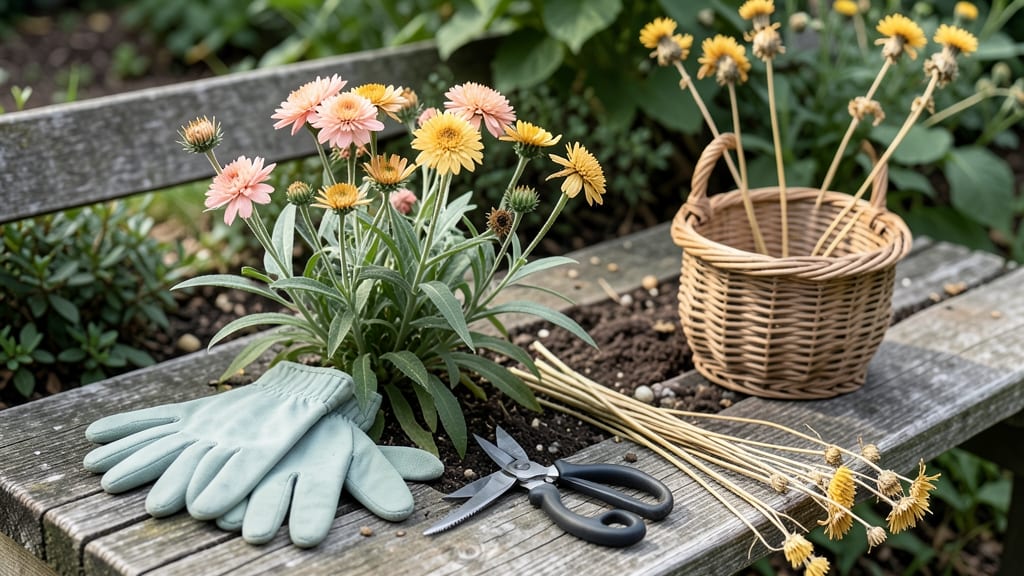
Harvesting strawflowers at the right time ensures their vibrant color and long-lasting beauty in arrangements.
Picture this: you’ve waited months for your 🌼 strawflowers to bloom, only to cut them too early and watch their petals wilt within days. The key to preserving those delicate blooms? Timing it just right—when the petals are fully open but still crisp, not yet fading.
In USDA Zone 6a, your best window is late summer, between August and October, when the flowers have fully matured. But how do you know for sure?
It’s not just about the calendar—it’s about the texture of the petals, the firmness of the stem, and the depth of the color.
Below, I’ll walk you through three simple tests to pick your strawflowers at peak freshness, so they stay stunning in vases for weeks—or even months if dried properly.
3 Tactile tests to determine perfect strawflower harvest time
Harvesting strawflowers at the right moment transforms your garden into a dried flower goldmine. These delicate blooms lose their vibrant color and crisp texture when picked too early or too late.
The key? Using your hands to test maturity through three simple tactile methods that reveal the perfect harvest window.
Strawflowers thrive on touch-based cues rather than strict calendar dates. Unlike some flowers that rely on color alone, strawflowers need you to feel their readiness.
These tests work for both fresh cut arrangements and drying projects, ensuring your blooms maintain their signature papery texture and rich hues for months.
Here's how to apply these hands-on tests to identify peak harvest time with confidence:
-
Petal Firmness Test
Gently press a fully open petal - it should feel completely dry and crisp like tissue paper. If it feels slightly damp or sticky, wait 1-2 days. -
Bud Color Shift
Look for uniform color across the entire flower head. The center should match the outer petals perfectly - no pale yellowing or uneven fading. -
Stem Snap Test
Hold the stem near the base and give it a firm bend. It should crack slightly (not break cleanly) and feel slightly woody rather than soft.
The petal firmness test is my go-to method because strawflower petals naturally become paper-thin at maturity. When they're ready, they'll crumple slightly when pinched between your fingers - like the pages of an old book.
This dryness indicates the natural moisture has fully evaporated, which is crucial for both fresh arrangements and long-term drying.
Watch for the bud color shift as a secondary confirmation. Strawflowers develop their signature deep hues (from golden yellow to rich burgundy) when fully mature. The moment the center matches the outer petals is your harvest signal.
Uneven coloring means the flower is still developing and will fade faster after cutting.
The stem snap test reveals the plant's internal readiness. A mature strawflower stem should resist clean breaking - it should crack with slight resistance rather than snap easily.
This indicates the vascular system has fully developed, ensuring your cut flowers will hydrate properly if used fresh, or dry evenly if you're preparing them for preservation.
Timing matters most in early morning harvests when temperatures are cool. This prevents the flowers from wilting during transport and gives you the best texture for your tactile tests. I always harvest between 6-8 AM when the dew has evaporated but the heat of day hasn't begun.
For regional variations, adjust your timing slightly. In hot climates, strawflowers may mature 1-2 weeks earlier due to accelerated growth. In cooler zones, they might take 5-7 extra days to reach harvest readiness.
Always combine these tactile tests with visual inspection of your specific variety's color development.
Remember that harvest timing affects drying quality dramatically. Flowers picked at peak maturity using these tests will retain their color for 6-12 months when properly dried, while early or late harvests may lose vibrancy within weeks. The tactile approach ensures you never guess about strawflower readiness.
Once you master these tests, you'll develop an instinctive feel for strawflower maturity. Your garden will become a reliable source of long-lasting blooms for both fresh and dried arrangements. The key is patience - let the flowers fully develop their textural qualities before harvesting.
🌼
Best harvesting practices for strawflowers: timing and technique
Harvesting strawflowers at the right time ensures their vibrant colors and long vase life. The best window is late morning to early afternoon when dew has evaporated but heat hasn't peaked. This timing preserves petal integrity and prevents premature wilting.
For optimal results, focus on fully open blooms with dry, papery petals. These flowers typically reach harvest readiness 100-120 days after planting, aligning with August-October in most temperate zones. Regional variations exist, so monitor your plants closely.
⚠️ Critical Harvesting Warning
Harvesting too early results in soggy, short-lived blooms, while waiting too long causes petal drop and color fading. The ideal moment is when 80% of petals are fully open but still firm to the touch.
Regional Tip: In hot climates, harvest earlier in the day to avoid heat stress. In cooler areas, late morning works best.
Use clean, sharp pruners to cut stems at a 45-degree angle, about 2 inches below the flower head. This technique promotes water uptake and extended vase life. Always harvest on dry days to minimize fungal risks from moisture.
After cutting, immediately place stems in cool water for 30 minutes to hydrate the stems. Remove any lower leaves that would sit submerged in water to prevent bacterial growth. This simple step can double your flowers' vase life.
For dried arrangements, hang harvested strawflowers upside down in a well-ventilated, dark space for 2-3 weeks. Avoid direct sunlight during drying to prevent color fading. Once fully dry, they'll retain their vibrant hues for years.
Pro tip: Harvest every 2-3 days during peak bloom to encourage continuous flowering. This stimulates new growth and extends your harvest season by 2-4 weeks. Regular harvesting also improves air circulation around plants, reducing disease risks. 🌼