
How To
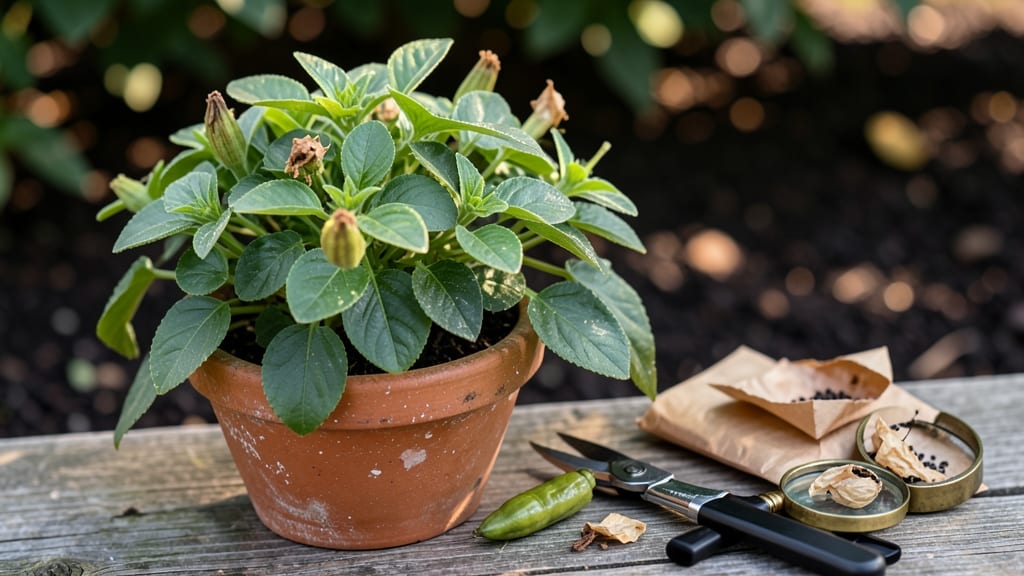
Harvesting impatiens seeds the right way ensures you save your favorite 🌸 varieties for next season—before they scatter unpredictably in the garden.
Impatiens flowers may be fleeting, but their seeds hold the promise of next year’s vibrant blooms—if you harvest them correctly. Miss the window, and you’ll lose your favorite varieties forever.
This simple guide walks you through the exact moment to collect pods, how to dry them properly, and why patience is key—especially with impatiens’ self-seeding quirks and seed dormancy.
By the end, you’ll know when to harvest, how to store seeds, and even how to troubleshoot common mistakes that kill germination. Let’s get started!
When and how to spot ripe impatiens seed pods
Impatiens plants reward patient gardeners with vibrant blooms all season, but their seed pods hold the key to next year’s garden. Knowing when to harvest these pods ensures viable seeds for propagation. The trick? Wait for the pods to naturally dry and split open—collecting too early ruins germination rates.
Fresh impatiens flowers fade into green seed pods after blooming. These pods start as plump and firm, but as they mature, they undergo visible color and texture changes. The transition from green to brown signals readiness, but don’t rush—premature harvesting means soft, undeveloped seeds that won’t sprout.
Here’s the critical timeline for spotting ripe impatiens seed pods:
| Stage | Pod Appearance | Texture | Seed Readiness |
|---|---|---|---|
| Early (Green) | Plump, bright green | Firm, moist | Not ready (seeds soft) |
| Mid (Yellowing) | Dull green/yellow | Slightly leathery | Monitor closely |
| Ripe (Brown) | Dry, papery brown | Crispy, splits open | Ready to harvest! |
At this ripe stage, impatiens seed pods turn a dull brown and develop a crispy texture. A gentle touch should make them split open to release seeds—this is your cue to act. If pods remain closed, they’re not ready yet, even if brown.
One common mistake is harvesting pods that are brown but still firm to the touch. These seeds won’t germinate because they’re underdeveloped. Always check for the crispy split—this guarantees viable seeds for planting.
Timing matters too: Harvest impatiens seed pods in late summer or early fall, after the first frost threat has passed. Frost can damage pods before seeds mature, so monitor your garden closely in USDA Zone 6a or colder regions.
For best results, collect pods on a dry, sunny day. Place them in a paper bag to catch seeds as they release naturally. Avoid plastic bags—condensation ruins seeds by promoting mold. Store pods in a cool, dry place until fully dry.
Pro tip: Label your seed pods with the impatiens variety and harvest date. Some hybrids, like New Guinea impatiens, produce larger seeds than bush impatiens, so keep track of your favorites for next season’s garden.
Patience is key—rushing harvests leads to failed germination. Let nature do its work, and you’ll enjoy homegrown impatiens for years to come. 🌸
Step-by-step guide to harvesting and drying impatiens seeds
Once your impatiens flowers fade and those seed pods form, patience is key. Harvesting too early means immature seeds that won’t germinate, while waiting too long risks losing them to wind or wildlife. The perfect moment arrives when pods turn brown and papery, signaling it’s time to act.
Grab a paper bag or envelope—this prevents seeds from scattering—and work on a dry, sunny day. The goal is to collect seeds at their peak viability, which happens just as pods begin to split open naturally.
Even a slight breeze can send seeds flying, so act quickly once you spot ripe pods.
- 1 Identify ripe pods: Look for brown, dry pods that feel crispy to the touch. Avoid green or plump pods—they’re not ready.
- 2 Gently remove pods: Use clean fingers or small scissors to snip pods from stems. Place them in a paper bag immediately to catch falling seeds.
- 3 Let pods dry further: Spread pods on a tray lined with paper towels in a warm, dry place (like a sunny windowsill) for 3–5 days. This ensures seeds fully mature.
- 4 Extract seeds: Once pods are completely dry, crush them with your fingers over the paper bag to release seeds. Discard empty pod fragments.
- 5 Store seeds properly: Seal seeds in a labeled envelope or airtight container with a silica gel packet to absorb moisture. Store in a cool, dark place (like a fridge) for up to 2 years.
After harvesting, label your seeds with the variety name and date—impatiens seeds can lose viability quickly if stored in humid conditions. For best results, sow seeds indoors 8–10 weeks before your last frost date, using a seed-starting mix and keeping soil moist but not soggy.
Impatiens seeds are tiny and light-sensitive, so press them lightly into the soil rather than burying them. A clear plastic wrap tent over the tray can create a mini greenhouse effect until sprouts appear, usually in 2–4 weeks under warm conditions.
With proper drying and storage, your homegrown impatiens will reward you with bold blooms next season, just like the parent plant. The key is patience and precision—don’t rush the process, or you’ll miss the magic of self-seeding these beauties.