
How To
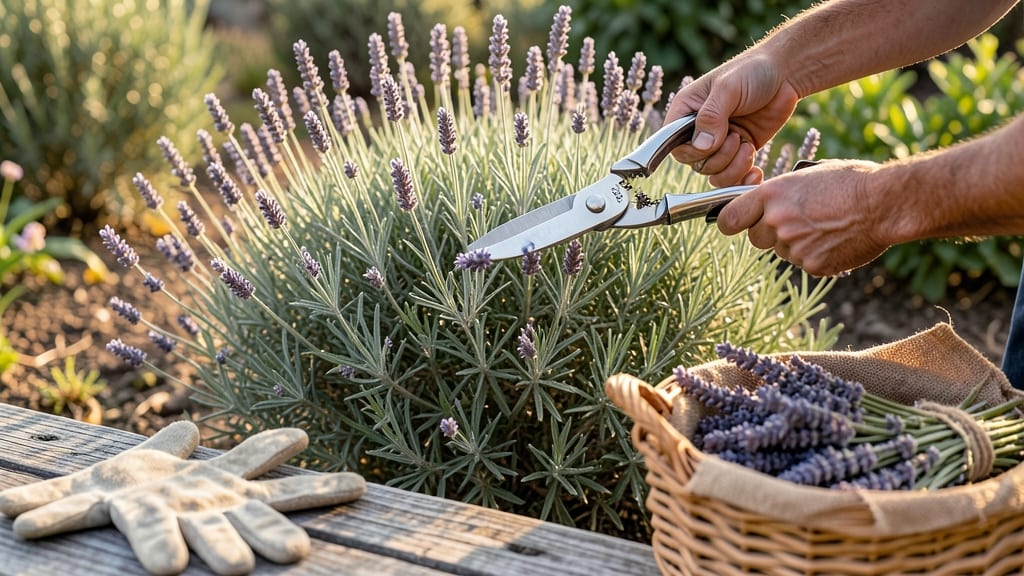
To harvest lavender at its peak aromatic power, time your cuts just as the buds swell but before they fully open—this is when the essential oils are richest.
Harvesting lavender at the wrong time can drastically reduce its aromatic oil content, turning a fragrant garden into a disappointment—but mastering the perfect technique unlocks the full potential of your plants.
Most gardeners wait until mid-to-late summer, but the best results come from harvesting in the cool morning hours, when the oils are most concentrated. A sharp pair of pruners and a basket will help you collect stems without bruising the delicate flowers.
In this guide, I’ll walk you through the exact cutting method, drying techniques, and storage tips to preserve that signature lavender fragrance for sachets, teas, or homemade remedies.
Best time to harvest lavender for maximum essential oil content
Timing is everything when harvesting lavender for its essential oil content. The peak harvest window occurs when flower buds are fully formed but not yet open—this stage guarantees the highest concentration of aromatic oils. Missing this window means sacrificing fragrance and color intensity in your dried bundles.
Most lavender varieties reach this ideal stage in mid to late summer, typically between July and August. However, climate zones play a critical role—cooler regions may experience earlier blooms, while hotter areas might see delayed flowering.
Understanding your local microclimate ensures you don’t miss the optimal harvest time.
Here’s what to look for: plump buds that haven’t yet unfurled, woody stems (not soft or green), and a strong fragrance when crushed. These signs confirm your lavender is ready for peak oil extraction. Overlooking these cues can lead to lower-quality harvests and weaker essential oils.
🌿
| Harvest Stage | Key Characteristics | Best Time | Oil Content |
|---|---|---|---|
| Early Bud Formation | Tight buds, green stems | Spring (March-April) | Low |
| Peak Bud Stage | Plump buds, woody stems, strong fragrance | Mid-Late Summer (July-August) | Highest |
| Full Bloom | Open flowers, softer stems | Late Summer (August-September) | Moderate |
| Seed Development | Brown seeds, fading color | Fall (October-November) | Low |
If you’re in USDA Zone 6 or warmer, aim for July harvests when temperatures are warm but not scorching. In cooler climates, early August often works better. Always harvest on a dry, sunny morning to preserve oil quality—dew or humidity can dilute the aromatic compounds.
One common mistake is waiting until flowers fully open. Once lavender blooms, its essential oil content begins to decline rapidly. The bud stage is where oils are most concentrated, making it the golden window for harvesting. Think of it like picking grapes for wine—timing dictates the final product’s quality.
For annual lavender varieties, a single harvest in peak season may suffice. However, perennial lavender (like English or French lavender) can yield multiple harvests if you space them 4-6 weeks apart.
Just ensure you never remove more than one-third of the plant in a single session to avoid stressing the roots.
🌸
Climate also affects seasonal adjustments. In arid regions, lavender may bloom earlier due to heat stress, while coastal areas with mild summers might see extended flowering periods. Pay attention to your plants’ cues—if buds form quickly, harvest sooner. If growth is slow, wait a few extra days.
Pro tip: Crush a few buds between your fingers before harvesting. A rich, sweet scent confirms peak oil production. If the aroma is faint, wait another 2-3 days. This simple test saves you from harvesting subpar lavender and ensures your essential oils are potent and fragrant.
👃
Step-by-step lavender harvesting technique to preserve oil quality
Harvesting lavender correctly is the key to unlocking its maximum aromatic potential. The right technique ensures you preserve the essential oils that give lavender its signature fragrance and therapeutic properties.
Whether you're harvesting for dried bundles, essential oils, or culinary uses, following these steps will keep your lavender's potency intact.
Timing and method matter more than you might think. A single misstep—like cutting at the wrong stage or using the wrong tools—can dramatically reduce oil content. I’ve learned through trial and error that patience and precision pay off when it comes to lavender.
Let’s dive into the exact steps to harvest lavender while keeping its fragrance and oil quality at their peak.
How to Harvest Lavender: Step-by-Step
After harvesting, resist the urge to over-prune your lavender plants. Removing more than one-third of the plant in a single session can stress the plant and reduce future yields. Instead, spread out your harvests over the growing season to maintain healthy growth and consistent oil production.
Pro tip: If you’re harvesting lavender for essential oils, use fresh flowers immediately after cutting. The oil extraction process works best with freshly harvested blooms, so plan accordingly if you’re distilling at home