
How To
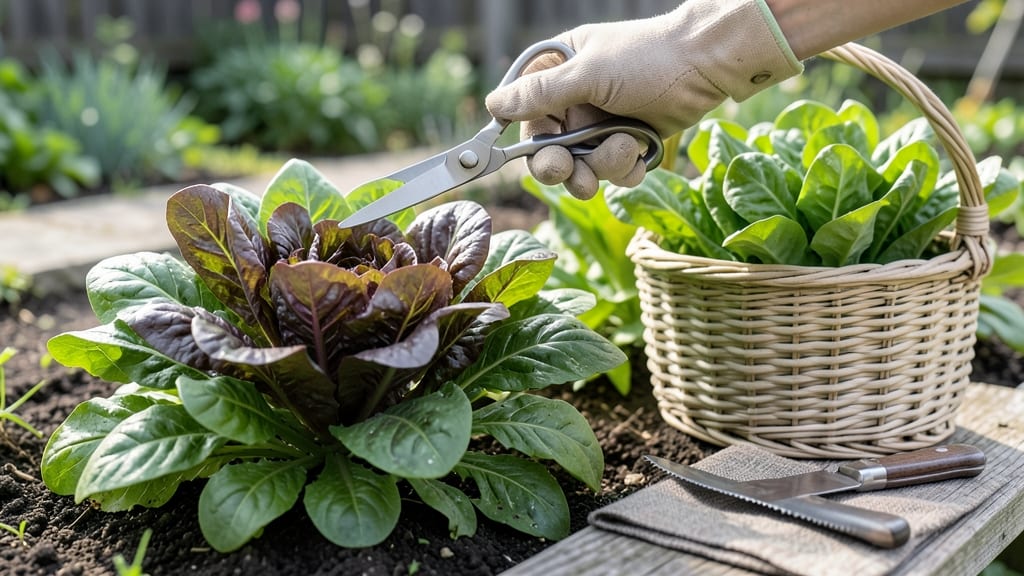
To harvest leaf lettuce 🥬 at the perfect moment means crisp, flavorful greens without sacrificing future growth—something every gardener learns the hard way.
Picture this: you’ve nurtured your leaf lettuce for weeks, only to pull a leaf that’s bitter or limp, or worse, watch it bolt into flower before you’ve even enjoyed it.
The key is timing and technique, and once you master them, you’ll enjoy a continuous supply of fresh salad greens all season long.
In this guide, I’ll walk you through the ideal harvest window—when leaves are mature but still tender—and the precise cutting method that encourages regrowth. You’ll also learn how to spot the signs of over-harvesting and avoid common mistakes that turn your lettuce into a sad, wilted mess.
By the end, you’ll know exactly when to snip, how to store your harvest, and even how to revive a struggling plant. Ready to turn your garden into a never-ending salad bar?
When to harvest leaf lettuce for maximum yield and flavor
Timing your leaf lettuce harvest correctly is the secret to enjoying crisp, flavorful greens while keeping your plants productive. Unlike head lettuce, leaf varieties like Buttercrunch or Oakleaf thrive when you harvest outer leaves first, allowing the inner leaves to mature.
This cut-and-come-again method ensures continuous harvests for weeks, but only if you recognize the perfect signs of readiness.
Start checking your plants around 25-30 days after sowing, when the first true leaves appear. Look for 3-6 inch leaves that are firm to the touch and vibrant in color—deep greens or rich purples, depending on the variety.
If you wait too long, the leaves may turn bitter or bolt, especially in warm weather, ruining your harvest and the plant's future growth.
Here’s a quick reference to help you spot the ideal harvest window:
| Harvest Stage | Leaf Size | Color | Texture | Days to Harvest |
|---|---|---|---|---|
| Early Harvest | 2-4 inches | Light green | Tender | 25-30 days |
| Ideal Harvest | 3-6 inches | Deep green/purple | Crisp, firm | 30-45 days |
| Over-Mature | 6+ inches | Bitter, yellowing | Tough, woody | 45+ days |
Pay close attention to the leaf color—it’s your best indicator of flavor and maturity. Deep green or purple hues mean peak sweetness, while pale or yellowing leaves signal over-maturity.
If your lettuce starts developing tight, elongated buds or flowering stems, it’s bolting, a sign you’ve waited too long or faced heat stress. Bolted lettuce is still edible but loses its tender, sweet qualities.
Avoid harvesting in direct midday sun to prevent wilting. Instead, pick leaves in the early morning when they’re hydrated and crisp. Use a sharp pair of scissors or pruning shears to snip leaves at a 45-degree angle, about 1 inch above the base.
This angle helps water run off and prevents disease from pooling at the cut site.
For continuous harvests, never remove more than one-third of the plant at once. Focus on the outer leaves, leaving the inner rosette intact. This encourages regrowth and keeps your lettuce productive for 4-6 weeks or longer, depending on variety and care.
If you notice new growth slowing down, it might be time to succession plant or provide afternoon shade to prevent bolting.
Cold weather can actually improve lettuce flavor, so don’t hesitate to harvest in fall or early spring. Just be gentle with the leaves to avoid bruising, and store them in the crisper drawer of your fridge for up to 5-7 days.
For longer storage, wrap harvested leaves in a damp paper towel and place them in a sealed bag.
Watch for environmental stressors like heat waves or drought, which can trigger bolting. If your lettuce starts flowering prematurely, try moving it to a shadier spot or providing consistent moisture. Mulching with straw or grass clippings helps retain soil moisture and keeps roots cool, extending your harvest window.
With practice, you’ll develop an eye for the perfect harvest moment, balancing tenderness, flavor, and plant health. Soon, your garden will be a salad bar stocked with homegrown greens all season long.
Step-by-step cutting techniques for continuous lettuce growth
The cut-and-come-again method is your secret weapon for endless lettuce harvests. Instead of pulling the whole plant, you carefully trim outer leaves, allowing the inner rosette to regrow. This technique works best with loose-leaf varieties like Buttercrunch or Oakleaf, which bounce back beautifully.
The key is patience—rushing the process can leave your plant stunted or vulnerable to disease.
Before you grab your shears, gather the right tools: a sharp pair of pruning shears (or clean kitchen scissors), a small bowl for harvests, and a spray bottle with water for post-harvest care.
Avoid dull blades—they crush leaves, inviting rot and pests. Work on a cool, cloudy morning when leaves are hydrated and crisp, not wilted from afternoon heat.
Select the Right Leaves
Choose outer leaves that are 3-6 inches long, firm, and fully grown. Avoid picking inner leaves—they’re still growing. Look for vibrant color and crisp texture; yellowing or limp leaves should be removed entirely.
Cut at the Base
Hold the leaf firmly and cut it just above the next leaf at a 45-degree angle. This angle prevents water from pooling on the stem, reducing rot risk. Never tear leaves—it damages the plant and invites pests.
Limit Your Harvest
Never remove more than one-third of the plant at once. For example, if your lettuce has 12 mature leaves, harvest 4 leaves max. This ensures the plant retains enough energy to regrow.
Post-Harvest Care
After harvesting, water the base thoroughly to replenish moisture. Apply a light mulch (like straw) to retain soil moisture and deter weeds. In hot climates, provide afternoon shade to prevent bolting.
Monitor Regrowth
Check your lettuce every 3-5 days for new growth. If leaves appear yellow or stunted, add a balanced fertilizer (5-10-10) and ensure it gets 4-6 hours of sunlight. Avoid over-fertilizing—it can cause bitter leaves.
If your lettuce starts to bolt (shoot up flower stalks), it’s a sign of stress—usually from heat or over-maturity. To salvage it, cut off the flower stalk at the base and focus on harvesting the remaining leaves.
In some cases, the plant may regrow, but future harvests will be smaller. For a second flush, consider succession planting nearby while the first batch recovers.
Pro tip: Store harvested leaves in a perforated plastic bag with a paper towel to absorb moisture. Keep them in the crisper drawer of your fridge for up to 5-7 days.
For longer storage, try blanching (covering with a cup for a few days) to keep leaves tender and crisp.
With this method, you’ll enjoy continuous harvests for 6-8 weeks per planting. Just remember: patience and precision are your best tools. Happy harvesting! 🥬